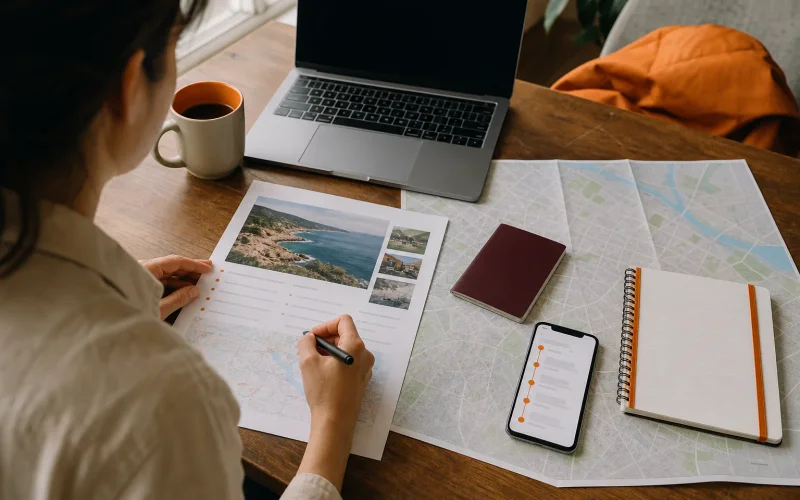
Travel Apps: What to Use for Every Trip
Find the best travel apps for flights, bookings, itineraries, transit, and travel days, with honest trade-offs and clear recommendations.

A week in Italy sounds simple until you realize you’re choosing between Rome’s ancient streets, Florence’s art, the Amalfi Coast, Venice, Tuscany, and a dozen other places that all deserve more time than you have. The good news: seven days is enough to do Italy well, if you plan the route before you book anything. Here’s exactly how we’d do it.
The single biggest mistake first-time visitors make is trying to see too much. Italy’s geography punishes ambition. The country stretches from the Alps to Sicily, covering a long north‑south distance, and a 7 day itinerary Italy works best when you pick one corridor and go deep rather than bouncing between regions.
For most first-timers, the classic north-to-south spine works well: Rome (3 nights), Florence (2 nights), Venice (2 nights). You can also run it in reverse. Look at both flight directions and book whichever is cheaper. The train connects all three cities directly.
If Venice feels like too much rushing, drop it. Adding Venice to a 7-day plan makes the schedule tight, and a rushed Venice visit is a disappointing one. A stronger alternative: spend those two Venice nights in Tuscany instead, using Florence as a base for a day trip to Siena or San Gimignano. That gives you a slower, more grounded trip.
The other popular corridor is Rome plus the Amalfi Coast. This works if you’re comfortable with slower regional trains and ferries south of Naples. It’s a different pace entirely, more relaxed, less city-dense.
One thing worth knowing: most Italy guides split into two camps on transport. Train-first itineraries dominate for good reason. Trains in Italy connect the major cities fast and cheaply. The high‑speed train cuts Rome to Florence in about 1.5 hours. A rental car only makes sense if you plan to spend most of your time in rural Tuscany or the Dolomites, where trains don’t reach. For a city-focused week, skip the car entirely.
Pro Tip: Book your intercity train tickets as early as possible. High‑speed train fares on the Rome‑Florence route can drop significantly when booked early, versus higher prices closer to travel. Buy long‑distance tickets through the national rail booking system and always validate paper tickets before boarding.
Italy’s rail network is extensive, with thousands of kilometres of track linking major cities on the Rome‑Milan corridor. That infrastructure is exactly why most experienced travelers, and most well‑researched guides, recommend trains over rental cars for a city-focused week.
The Rome‑Florence‑Venice route gives first‑timers the best return on a single week. It covers ancient history, Renaissance art, and one of the world’s most unusual cities, without requiring a car or a complicated logistics plan.
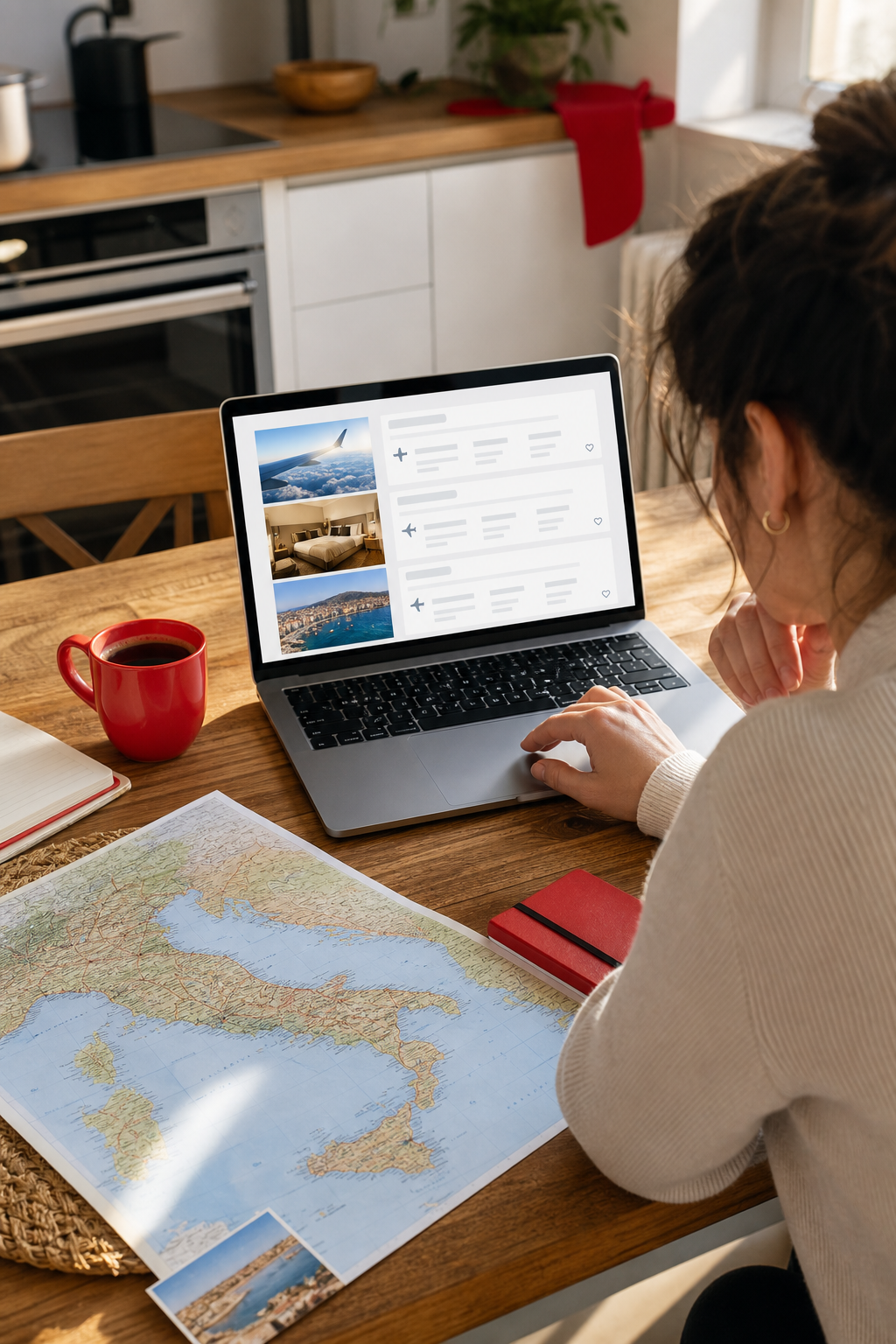
For flights into Italy, the main international airport serving Rome is the primary gateway. It handles most long‑haul routes from North America and Asia. If you plan to end in Venice, flying into Rome’s main airport and out of Venice’s main airport can reduce backtracking, even if the fare is slightly higher.
Shoulder season flights, April through May and September through October, tend to be cheaper and the weather is far more manageable than July or August. Summer crowds in Rome and Florence are real. Heat in August regularly tops 35°C (95°F), and queues at major sites stretch long before opening time.
For accommodations, a few usable rules. In Rome, stay near the historic center or Trastevere. Both neighborhoods put you within walking distance of most major sites and have good restaurant options away from the tourist drag. In Florence, the Oltrarno district (south of the Arno) is quieter than the area around the Duomo and still very central. In Venice, anywhere on the main island works since you’ll walk everywhere anyway, but San Polo and Dorsoduro tend to be a little less expensive than San Marco.
Budget for accommodation varies sharply. Mid‑range hotels in Rome during shoulder season are typically priced competitively, with similar rates in Florence. Venice generally commands higher rates than the mainland cities. If you’re flexible on dates, set a price alert and watch fares for two to three weeks before committing.
One honest note: booking accommodation and flights together through package deals rarely saves money in Italy. Book flights separately through a fare comparison tool, then book hotels directly or through a platform where you can s won’t always tell you that the “best value” hotel in a roundup was last reviewed two years ago.
Once your route and hotels are locked, build the daily plan. Here’s a framework that works for the Rome-Florence-Venice corridor. Adjust based on your interests.
Days 1-3: Rome. Arrive on Day 1, take it easy. Walk the neighborhood around your hotel, eat dinner, sleep. Day 2 is the ancient city: Colosseum, Roman Forum, Palatine Hill. Buy a combined ticket in advance online. Day 3 is Vatican City: St. Peter’s Basilica, the Vatican Museums, and the Sistine Chapel. Book timed entry for the museums at least two weeks ahead, especially in spring and fall.
Days 4-5: Florence. Take an early high‑speed train from Roma Termini to Firenze Santa Maria Novella. Day 4: the Uffizi Gallery (book ahead) and a walk across the Ponte Vecchio. Day 5: climb the Duomo’s dome with a ticket that includes access to the dome, bell tower, baptistery, and museum, then spend the afternoon in Oltrarno. A wine‑tasting day trip from Florence into the Tuscan countryside fits naturally on Day 5 afternoon if you want to slow down.
Days 6-7: Venice. Take the train from Florence to Venice Santa Lucia. Day 6: St. Mark’s Basilica and the historic palace in the morning, then get lost in the quieter sestieri (neighborhoods) in the afternoon. Day 7: take a local water transport to Murano or Burano, then head to the airport.
What to skip: the Leaning Tower of Pisa is fine for a photo, but it’s not worth an overnight. If you want to see it, it’s a 30-minute stop from the train on the way from Rome to Florence. Don’t build a full day around it.
Key Takeaway: Pre-book timed entry for the Vatican Museums and the Uffizi Gallery before you leave home. Both sell out weeks in advance in peak season, and showing up without a ticket means hours in line or missing them entirely.
The pace question matters here. Some guides describe a 7-day Italy plan as relaxed. Others call it fast. The honest answer: three cities in seven days is moderate. You won’t feel rushed if you resist the urge to fill every hour. Pick two or three things per day, do them well, and spend the rest of the time eating and walking. That’s the trip people remember.
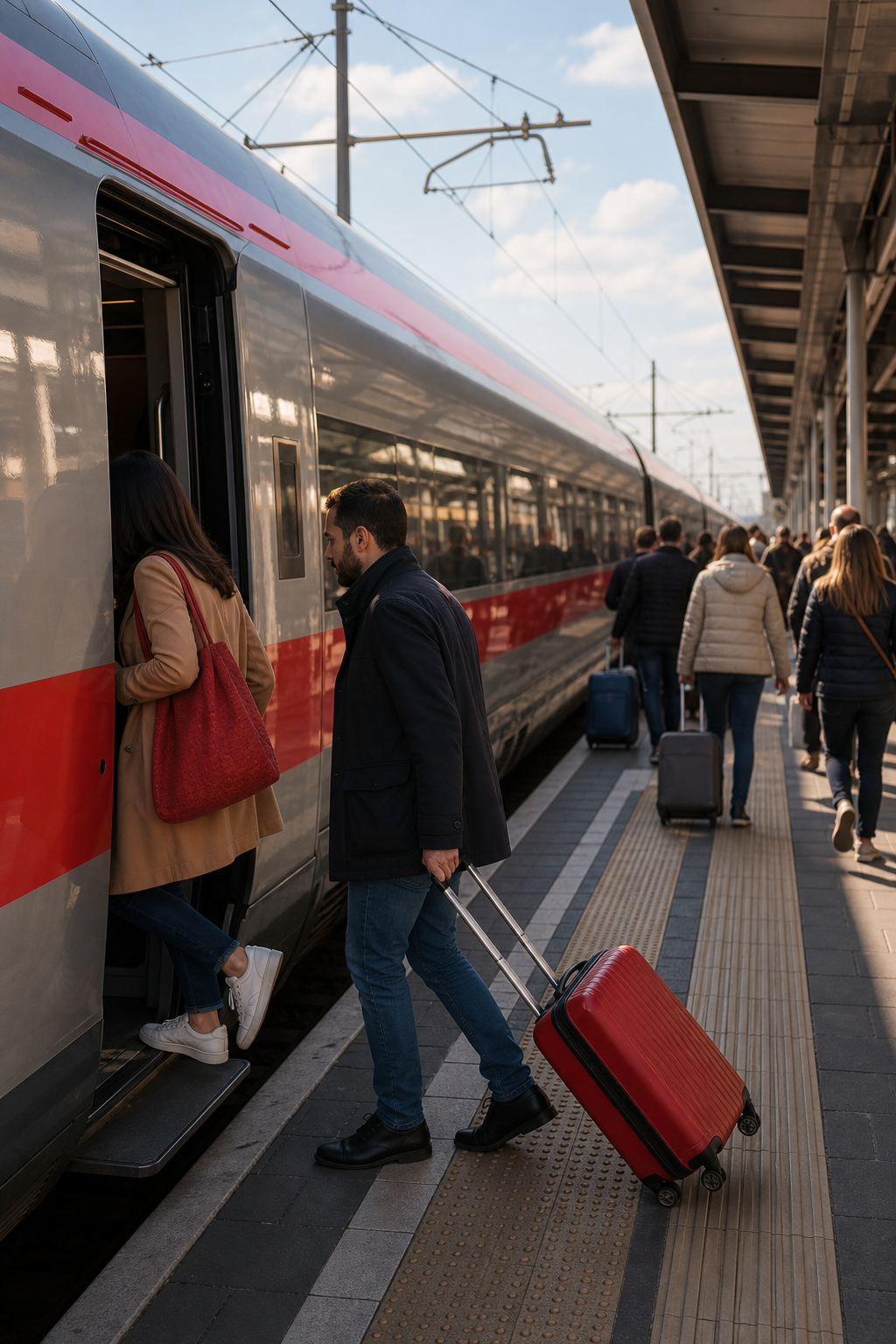
Train is the right call for this route. Full stop. The high-speed network connects Rome, Florence, and Venice with fast, reliable service. Rome to Florence takes about 1.5 hours, and Florence to Venice takes roughly 2 hours. Both are comfortable, punctual most of the time, and drop you right in the city center.
A few usable details. Several high‑speed operators run these routes. Compare prices to find the best deal. Buy tickets online in advance, download the app, and you won’t need to print anything.
One rule that catches people off guard: always validate your paper ticket before boarding. There are small yellow validation machines at the entrance to each platform. Insert the ticket, it stamps the time. If you skip this step, you can be fined on the train even if the ticket is legitimate. Digital tickets bought through the app don’t need validation, but paper ones do.
Within Rome and Florence, walking covers most of what you need. Rome’s historic center is dense. The Colosseum, Pantheon, Trevi Fountain, and Vatican are spread out enough that you’ll want the metro for a few legs, but taxis and ride‑share apps work fine too. In Venice, there are no cars. You walk or use the local water transport service. Ticket prices vary, and multi‑day passes are available if you plan to use it frequently.
If you’re considering a rental car for any part of this trip, the one honest case for it is Tuscany between Florence and Siena. The countryside roads between hill towns aren’t well served by trains, and a half‑day drive through the Chianti region is genuinely a different experience. But driving in central Rome or Venice is either illegal or pointless. If you rent, pick it up in Florence and return it before heading to Venice.
Italy’s road network is extensive, but city‑center driving restrictions (called ZTL zones) are strict and fines are sent to your home address weeks after the trip. Most rental companies pass the fine plus a processing fee. If you drive into a ZTL zone without a permit, you will be fined. Check the map before you drive anywhere near a city center.
Italy is not cheap, but it’s not as expensive as people fear if you know where the money goes. The biggest cost drivers are accommodation and pre‑booked experiences. Food and transport are manageable.
Here’s a realistic daily cost breakdown for a mid‑range solo traveler in 2026:
| Category | Daily Budget (€) | Notes |
|---|---|---|
| Accommodation (mid-range) | Varies by city and season | Per room; lower in Florence/Rome, higher in Venice |
| Meals (3 per day) | €35-55 | Breakfast at a bar ( |
| Museum entry / experiences | €15-30 | Colosseum €18, Vatican Museums €20, Uffizi €25 |
| Local transport | €5-15 | Metro tickets, boat services in Venice, occasional taxi |
| Intercity trains (spread over 7 days) | Varies by route | Rome‑Florence, Florence‑Venice and other connections |
| Coffee, gelato, incidentals | €8-12 | Espresso at the bar is cheaper than at a table. |
| Daily total | Varies | Varies by city and spending style |
A few money habits that actually help. Pay for coffee at the bar, not at a table. Sitting down at a café in a tourist area can triple the price of an espresso. The same rule applies to restaurants: two blocks off the main piazza, prices drop noticeably and quality often improves.
For currency, Italy uses the euro. Most places accept cards, but smaller trattorias, market stalls, and some churches are cash‑only. Carry €50‑100 in cash at all times. ATMs (called bancomat) are everywhere in city centers. Use your bank’s ATM network if possible to avoid currency conversion fees.
Tipping is not expected in Italy the way it is in the US. A small rounding up at a restaurant (a euro or two) is appreciated but not obligatory. Don’t tip at a bar for a coffee. If a service charge (coperto) is already on the bill, that’s your contribution.
One underrated money tip: a Florence city pass can include entry to the main cathedral complex—dome, bell tower, baptistery, museum, and crypt—providing multiple attractions for a single fee.
Wine is a selling point in nearly every Italy guide for good reason. Tuscany wine tasting, regional wines, Amalfi seafood paired with local whites. Budget for a guided wine experience if that matters to you. It’s not a tourist trap if you go through a vineyard directly rather than a hotel‑arranged tour.
Our approach here is simple: we give you real numbers so you can plan honestly, not the vague “Italy is affordable if you’re smart about it” line that tells you nothing.
Seven days is enough to see Italy well if you limit yourself to two or three cities. Rome, Florence, and Venice is the most popular combination and works without feeling rushed. Trying to add the Amalfi Coast, Cinque Terre, or Milan to the same week turns the trip into a series of travel days. Italy rewards a second visit, so leave something for next time.
April through May and September through October are the best windows. Weather is mild, crowds are lighter than summer, and prices for flights and hotels are lower. July and August are the busiest and hottest months. If you must travel in summer, book everything months ahead and start major sites at opening time before the heat and queues build.
Take trains for a city-focused week. High-speed rail services connect Rome, Florence, and Venice quickly and affordably. Renting a car makes sense only if you plan to spend most of your time in rural Tuscany or the Dolomites. Driving in central Rome is restricted by ZTL zones, and Venice has no roads at all. Most experienced travelers and most well‑researched guides agree: trains win for a standard 7‑day route.
Budget accordingly as a mid‑range solo traveler, covering accommodation, meals, museum entry, and local transport. Venice runs higher than Rome or Florence. You can spend less by eating at bars rather than restaurants, booking accommodation outside peak dates, and buying train tickets in advance. Prices are subject to change, so check current rates before you travel.
Yes, for the Vatican Museums and the Uffizi Gallery. Both sell out weeks ahead during spring and fall. The Colosseum also benefits from advance booking. Skipping the pre‑book means standing in a long queue or missing the site entirely. Book timed‑entry tickets on the official museum websites as soon as your travel dates are confirmed.
Yes, with specific habits. Eat breakfast at a bar (€3 vs. €15 at a hotel). Sit at a restaurant two streets off the main piazza. Walk instead of taking taxis. Buy train tickets early. A city pass in Florence covers several major attractions. Free entry to many churches, including St. Peter’s Basilica, reduces the museum spend considerably. A budget‑friendly week can be managed without exceeding typical costs for accommodation, meals, and transport.
The Rome-Florence-Venice route gives you a genuinely complete first week in Italy without overloading the schedule. Book trains early, pre-book the Vatican and Uffizi, stay two blocks off the main tourist drag for food, and leave at least one afternoon with nothing planned. That’s where the best memories happen.
Find the best travel apps for flights, bookings, itineraries, transit, and travel days, with honest trade-offs and clear recommendations.
Use these travel planning tips to set a realistic budget, choose the right pace, book smarter, and build an itinerary you will enjoy.
Hostel vs hotel for solo female travelers: real price figures, safety comparison, and Maren's honest recommendation including the private hostel room option.