Travel Apps: What to Use for Every Trip
Find the best travel apps for flights, bookings, itineraries, transit, and travel days, with honest trade-offs and clear recommendations.
Verdict: No tip makes you untouchable, but real preparation quiets most of the fear and handles most of the risk.
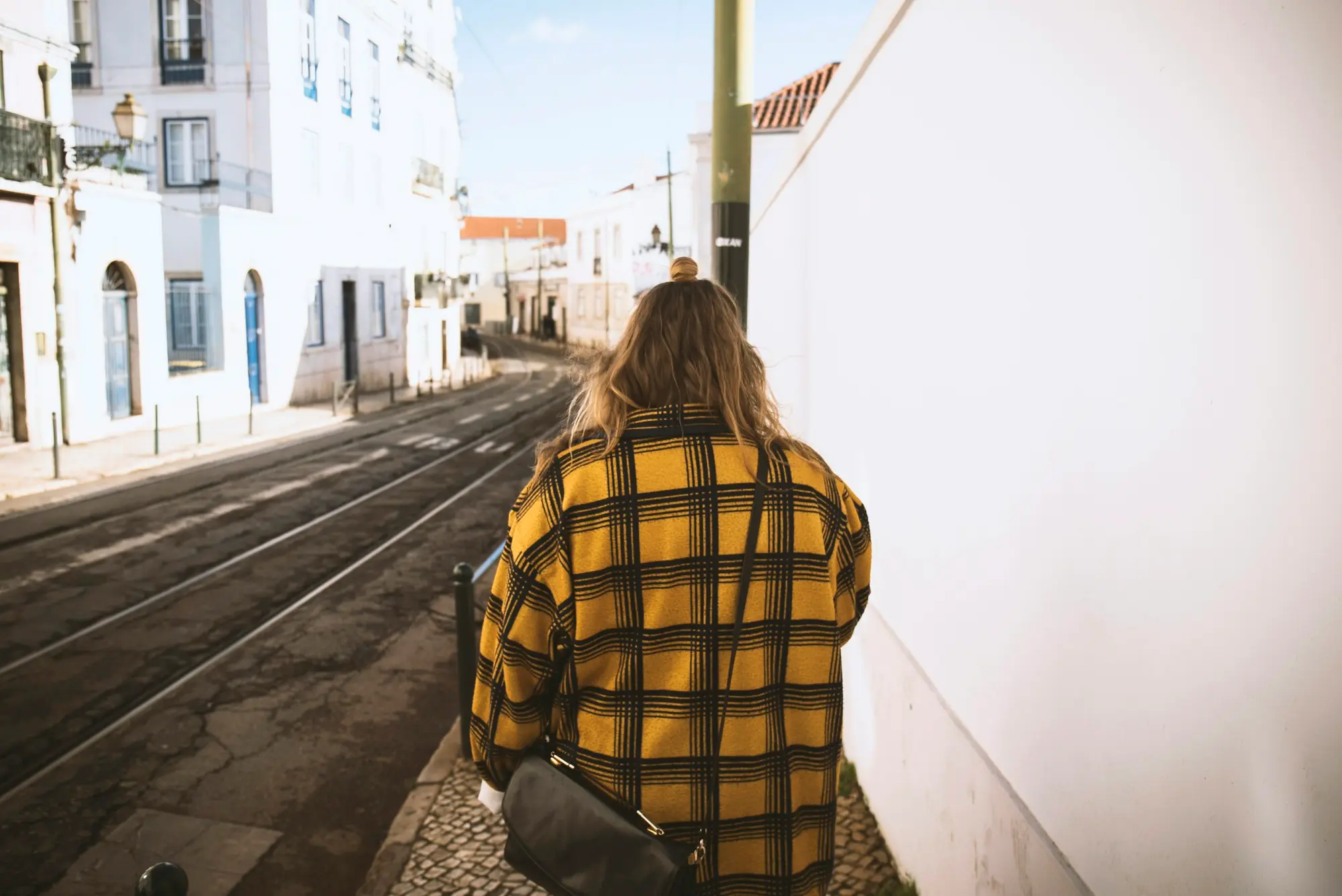
The first night in Porto I stood inside my rented room with my back against the door and cried, not because anything had happened, but because nothing had, and I suddenly understood that I was a 40-year-old woman alone in a country where no one knew my name and no one was coming. Then I made myself go out and eat grilled fish at a counter. Nobody stared. The waiter was kind. I walked home along the river in the blue evening light, and the thing I learned that night is the thing this whole piece is built on. Most of the fear is not danger. It is the absence of a plan. When I had a plan, the fear got quiet enough to travel with.
So let me be honest with you before I give you a single tip. No list makes you untouchable. Safe is personal and situational, and it changes by the city, the street, the hour, and the day. Government advisories are a starting point, not a guarantee. What follows is not a promise that nothing will go wrong. It is the specific, boring, been-there preparation that has let me travel alone through a dozen countries and come home every time, and it is what I would tell you over coffee if you had the trip open in your browser and could not quite click book.
The most useful safety work happens weeks before the airport, at your kitchen table, and almost nobody finds it exciting. Do it anyway.
The piece the popular tip lists skip is the real government tools, so start there. If you are a US traveler, read the official advisory for your destination on the State Department’s site. As of July 2026, they rate every country on four levels: Level 1 Exercise Normal Precautions, Level 2 Exercise Increased Caution, Level 3 Reconsider Travel, and Level 4 Do Not Travel. You can read them at travel.state.gov. Do not stop at the number. The number is blunt. The paragraphs underneath tell you the actual why, which is often one region or one type of crime rather than the whole country, and that detail is what you can actually act on.
Then enroll your trip in STEP, the Smart Traveler Enrollment Program. It is free. You register your dates and destination with the nearest US embassy, they email you safety alerts for where you are, and if something big happens they know you are there and can reach you. It takes a few minutes and I do it for every trip.
If you travel on a UK passport, your equivalent is the Foreign, Commonwealth and Development Office advice at gov.uk/foreign-travel-advice, which covers safety, security, entry rules, and health country by country, and lets you sign up for email updates on the countries you care about. Whatever passport you hold, find your own government’s official advisory and read the destination page, because it is written soberly and updated when conditions change, unlike a blog, including this one.
Here is my actual before-you-leave checklist:
None of this removes risk. All of it means that if something goes wrong, you are not starting from zero, and one person always knows where you should be.
I will spend money on a well-located room before almost anything else, because the neighborhood you sleep in shapes every late arrival and every walk home for the whole trip. A cheaper room in the wrong area is not a saving. It is a nightly problem you pay for with stress.
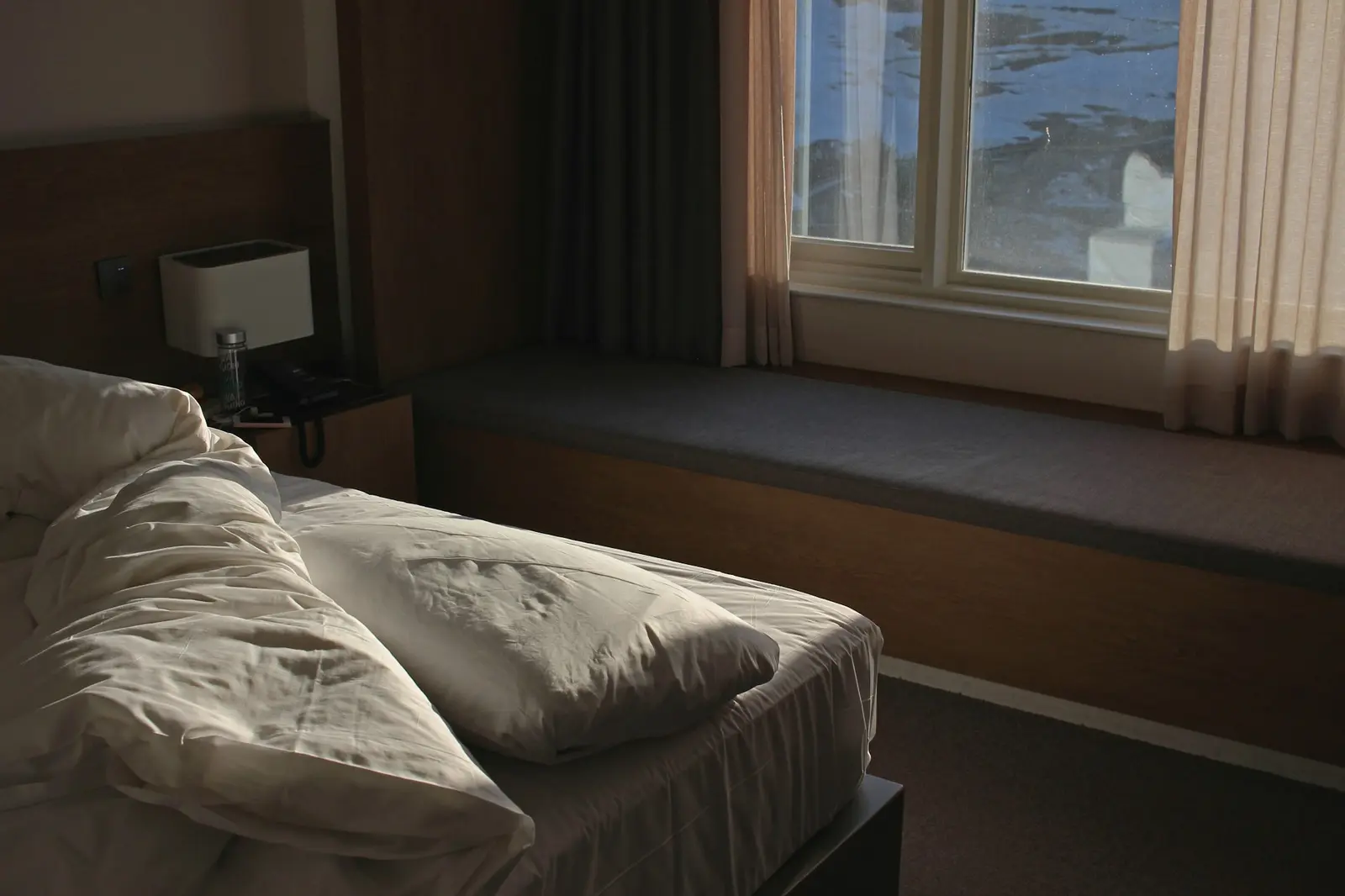
Before I book, I read the recent reviews specifically for how people describe getting back at night and how the front desk is staffed. I look at where the place actually sits on a map relative to where I will be coming and going. I try hard to arrive somewhere new in daylight, because a strange neighborhood at 11pm with a bag and no bearings is the exact situation I most want to avoid, and shifting a flight or a train to land earlier is worth the cost.
Once I am in the room, I have a short ritual I do every single time:
Hotels and guesthouses see solo women constantly and most guard their reputations carefully, so this is not paranoia. It is the same five minutes of care every time, which is exactly why it stops feeling like fear and starts feeling like habit.
The airport and the first ride are where tiredness and unfamiliarity stack up, and they are where a lot of the money scams live too.
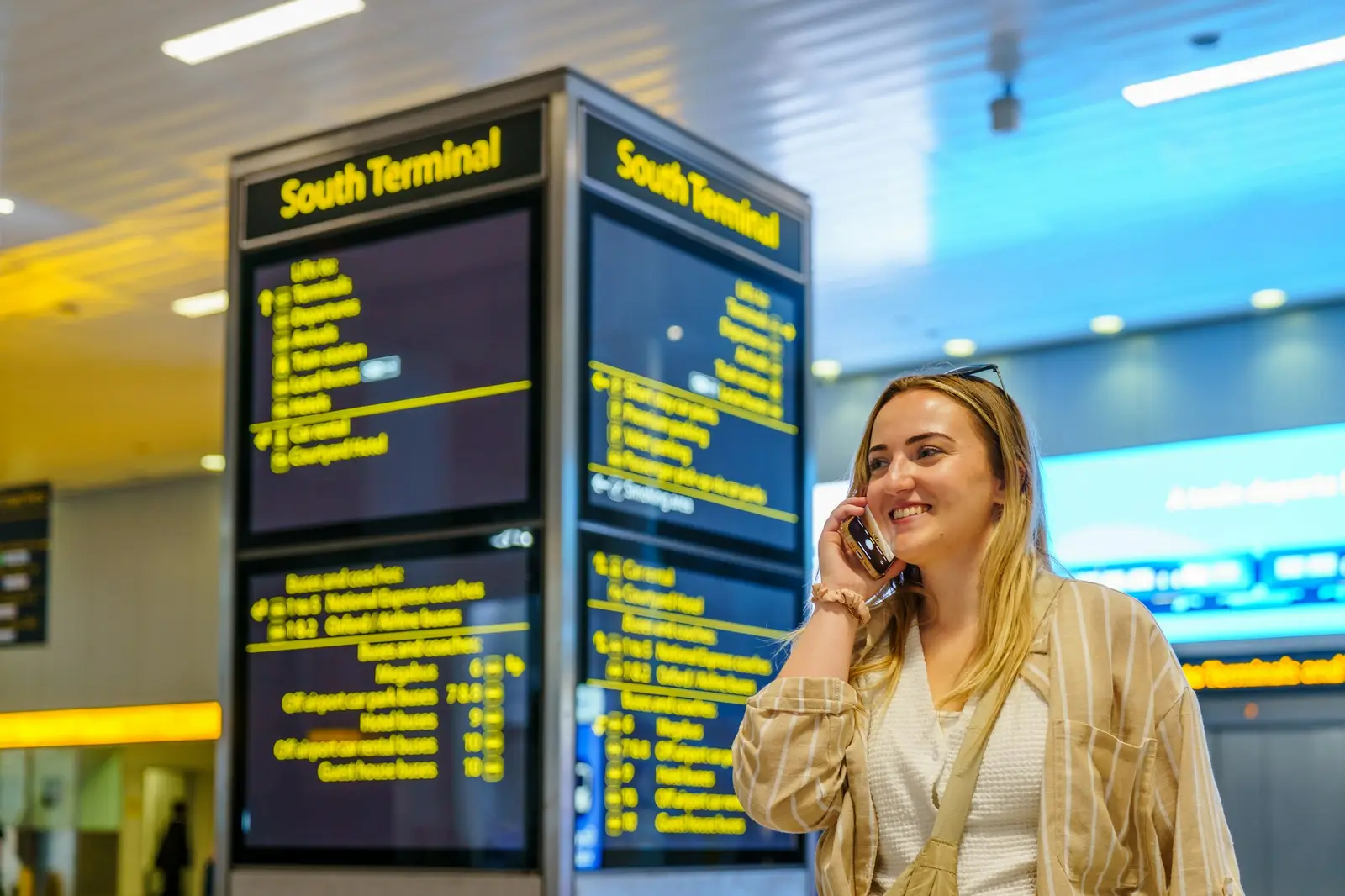
I plan the very first transfer before I land, while I still have signal and a clear head. I know whether I am taking the train, a licensed taxi rank, or a booked car, and roughly what it should cost, so I cannot be talked into a wildly inflated fare by someone reading my confusion. Here is what I actually do:
I still go out at night alone, because giving up every evening is not the trip I want, and the fix is not to hide. It is to move with a plan.
I walk like I know where I am going even when I am not entirely sure, because looking lost and looking distracted are both invitations. I keep one earbud out or none, so I can hear what is around me. I stay on the busier, better-lit streets even when the quiet shortcut is tempting, and I keep enough charge and enough cash to get home without a working phone. When I drink, I keep it to a level where my judgment stays mine, I watch my glass, and I never leave it unattended and come back to it.
The single most valuable thing I have learned is to trust the small no. If a street feels wrong, I turn around, even if I cannot explain why and even if I feel silly. If a situation is tipping in a direction I do not like, I leave early, before it becomes a scene I have to manage. That instinct is not hysteria. It is information, and overriding it to be polite has never once served me.
The hardest safety skill for a lot of women, and it was hard for me, is being willing to be rude. We are trained from childhood to be pleasant, to not make a fuss, to give the benefit of the doubt. People who scam or harass travelers count on exactly that hesitation.
So I have practiced being flatly, unapologetically unavailable. Here is what that looks like in practice:
Being firm felt deeply uncomfortable the first few times. It gets easier, and it is one of the quiet gifts solo travel gave me. I take up my own space now without apologizing for it, at home too.
The unglamorous logistics are safety, because the thing most likely to derail a solo trip is not a dramatic crime. It is a lost card, a stolen bag, or a health problem far from anyone who knows you.
I build in redundancy on purpose. I keep a photo of my passport and a scan of my documents in my phone and in my email, separate from the originals. I split my money and cards, some on me, some in the room, plus one backup card I never carry out, so no single loss strands me. I keep my essential medications in my carry-on in their original packaging, never in a checked bag that can vanish, and I bring enough for the whole trip plus a few spare days. I note down the emergency number for the country and the address of my own embassy before I go, because looking those up in a genuine emergency is exactly when you cannot.
Stripped down, here is the honest short version of my own kit and habits:
None of this makes you untouchable, and I would be lying to you if I dressed it up that way. Safe is not a state you reach and keep. It is a set of small, repeatable decisions you make on a specific street at a specific hour, and it shifts as conditions do, which is why I date what I say and why I send you to the official advisories rather than my own gut for the hard facts, as of July 2026. What preparation buys you is not the removal of all risk. It is the quieting of the fear that is not danger, so that what is left is manageable, and so that a woman standing with her back against a hotel door on the first night, the way I was, can breathe, make a plan, and then go out and eat the grilled fish. You do not need permission to take this trip. You need a plan, and now you have the start of one.
Find the best travel apps for flights, bookings, itineraries, transit, and travel days, with honest trade-offs and clear recommendations.
Use these travel planning tips to set a realistic budget, choose the right pace, book smarter, and build an itinerary you will enjoy.
Hostel vs hotel for solo female travelers: real price figures, safety comparison, and Maren's honest recommendation including the private hostel room option.