Travel Apps: What to Use for Every Trip
Find the best travel apps for flights, bookings, itineraries, transit, and travel days, with honest trade-offs and clear recommendations.
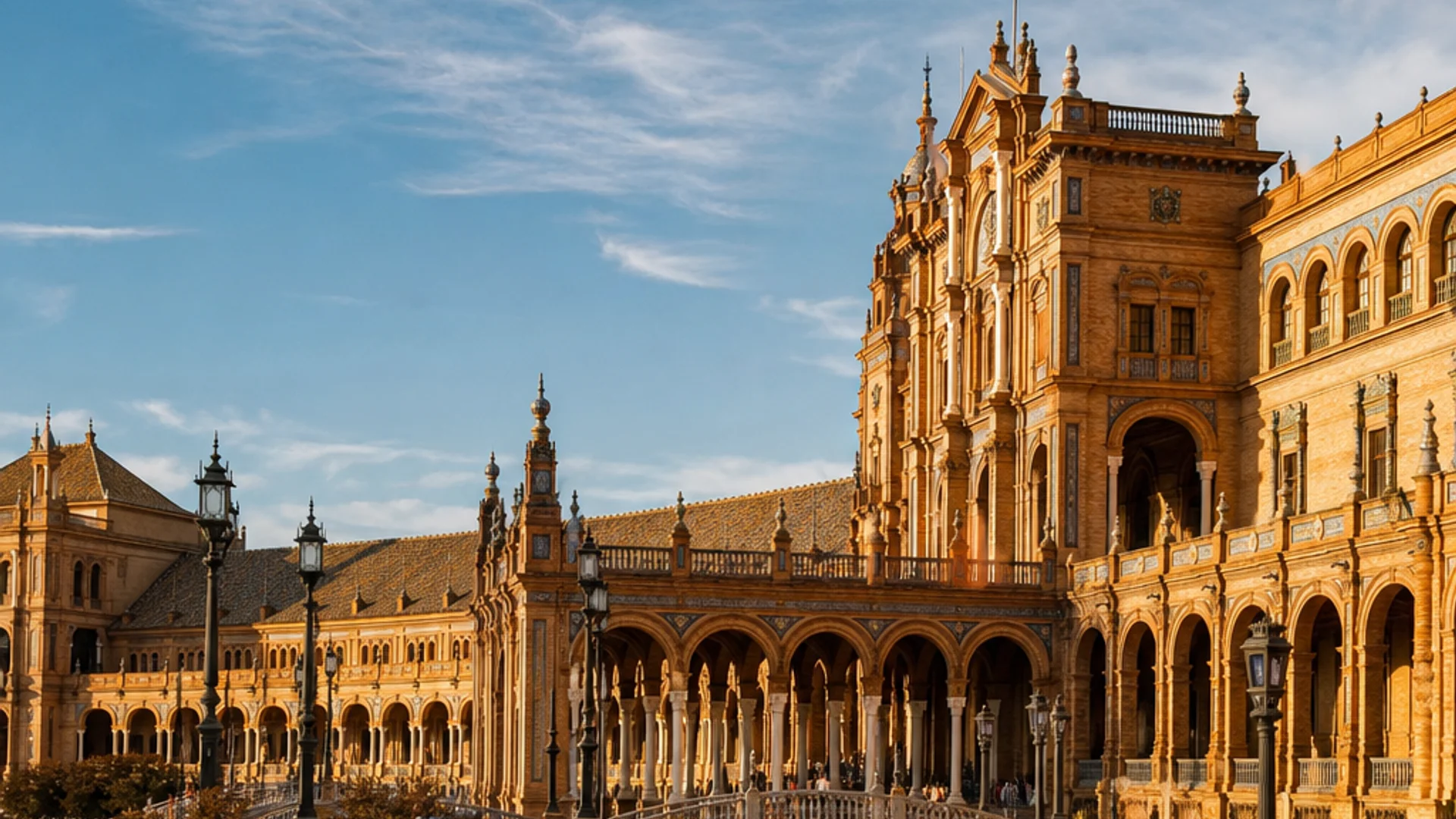
Andalusia is one of the most rewarding regions in Europe to plan, and one of the easiest to get wrong. Too many people try to cram in every city, blow half their time on bad transport choices, and skip the one thing that actually makes the place unforgettable. We’ve put together a no-fluff day-by-day framework so you can build the right trip for your timeline, whether you have a week or two.
The single most common mistake is underestimating how much ground Andalusia covers. The region is roughly the size of Portugal. Seville to Granada is about 250 km. Trying to hit every major city in under a week means you spend more time on buses and trains than in the places themselves.
Here’s our honest read on what each trip length actually gets you:
| Trip Length | What You Can Realistically Cover | What You’ll Miss | Best For |
|---|---|---|---|
| 7 days | Seville (2 nights), Ronda (1 night), Granada (2 nights), Córdoba (1 night) | Málaga, white villages, coast, Cádiz | First-timers who want the cultural core |
| 10 days | Above + Málaga (1-2 nights) + one white village day trip | Cádiz province, sherry triangle, Sierra Nevada | Travelers who want depth and some breathing room |
| 14 days | Full circuit: Cádiz, Seville, Ronda, white villages, Málaga, Granada, Córdoba + day trips | Very little, if you plan it well | Anyone who wants to actually feel like they’ve been to Andalusia |
One thing most itinerary guides don’t tell you: only about 11% of popular Andalusia activities list their entry fees upfront. That’s a real transparency gap. Budget for surprises, and always book the Alhambra and Caminito del Rey tickets before you leave home. Both sell out weeks in advance.
Pro Tip: Book Alhambra tickets the moment your dates are confirmed. The Nasrid Palaces have limited daily entry slots and they go fast, especially in spring and fall. The official booking site is the only place to get them at face value.
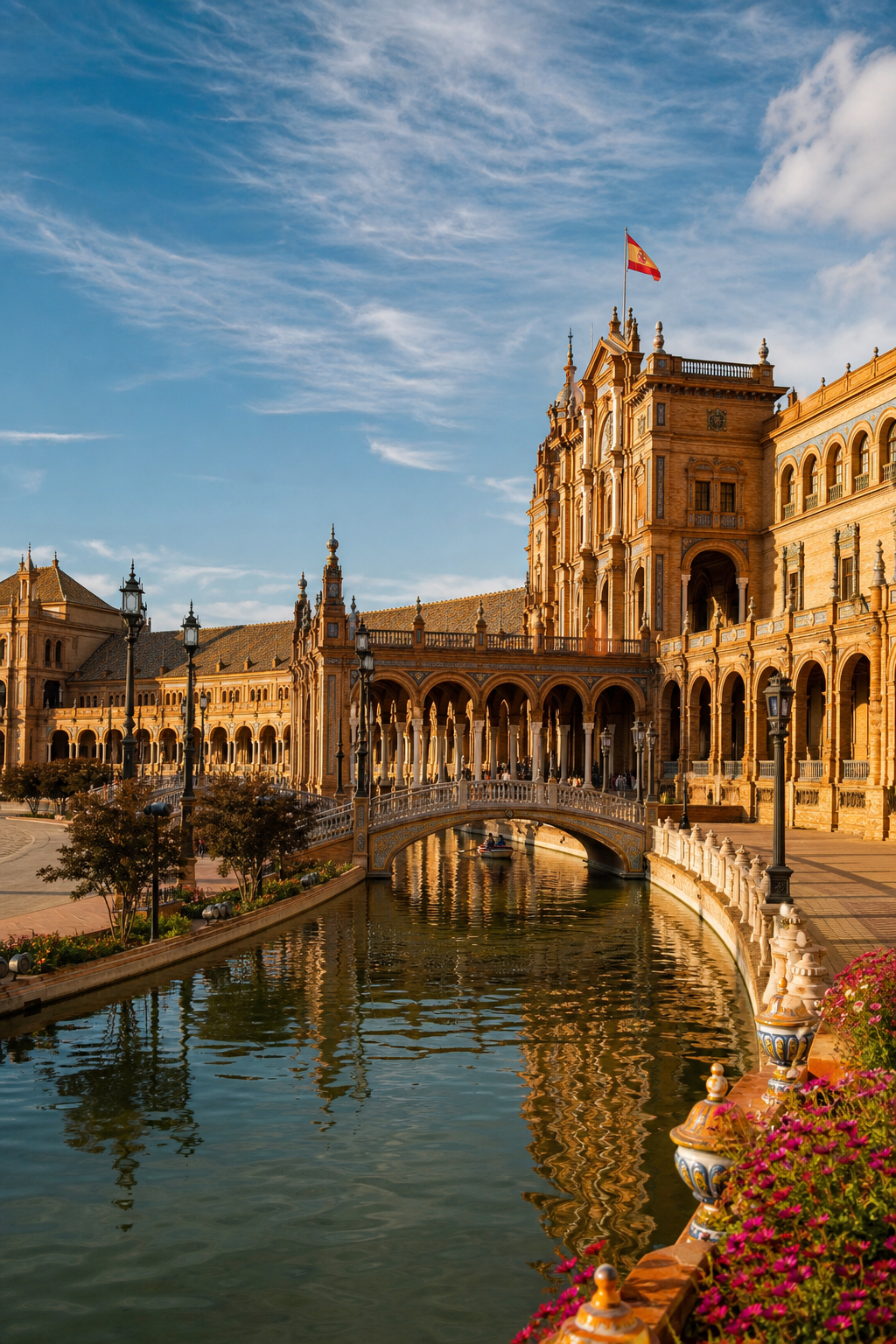
These three cities form the backbone of any Andalusia trip. Everyone argues about the order. We recommend arriving into Seville first, then heading east to Granada, with Córdoba as a day trip or single overnight on your way back.
Seville is Andalusia’s capital, and it earns it. The Real Alcázar is one of the best-preserved Moorish palaces in the world and a UNESCO World Heritage Site alongside the Cathedral and the Archivo de Indias. Go early for the Alcázar gardens, before tour groups arrive. The Metropol Parasol (locals call it Las Setas) gives you a panoramic view of the city, and the rooftop at dusk is worth the small entry fee.
The Barrio de Santa Cruz is the old Jewish quarter. A one-hour evening walk through its narrow streets before dinner is one of the best free things you can do. Don’t rush it.
What to skip: the horse carriage rides are expensive, slow, and not particularly informative. The Triana neighborhood is worth a quick visit for the ceramic shops and the riverside bars, but you don’t need to base yourself there.
Granada has one world-class attraction and a genuinely excellent city around it. The Alhambra palace complex takes a full morning, minimum. The Nasrid Palaces are the highlight. Book a morning entry slot rather than an afternoon one. Despite what some sources suggest, sunset is not a valid viewing time for the Nasrid Palaces. They close well before dusk. This is one of the most-repeated misleading pieces of advice we’ve seen, and it could ruin a day if you plan around it.
After the Alhambra, walk down into the Albaicín neighborhood, the old Moorish quarter. The Mirador de San Nicolás viewpoint gives you the classic postcard shot of the palace against the Sierra Nevada. Go at actual sunset for that view; you just won’t be inside the Nasrid Palaces at that point.
Granada also has the most generous tapas culture in Andalusia. In many bars, a drink comes with a free small plate. Order a beer or a glass of wine and see what lands in front of you before you order food.
Córdoba is underrated relative to Seville and Granada, partly because it’s smaller and easier to cover. The Mezquita-Catedral, a mosque converted into a cathedral, is genuinely unlike anything else in Europe. The forest of red-and-white striped arches inside the prayer hall is the image that stays with you. Book tickets online to skip the queue at the door.
The old Jewish quarter (La Judería) and the Roman Bridge are both walkable and free. If you visit in late spring, the Patio Festival (usually May) turns private courtyards into open gardens. That’s a good reason to time your visit.
Key Takeaway: Seville, Granada, and Córdoba form the non-negotiable core of any Andalusia itinerary. Give each city at least one full day of unhurried time , arrival and departure days don’t count.
This is where most trip plans go wrong. The honest answer: it depends on your itinerary, not on a blanket preference for trains or cars.
Spain’s high-speed AVE trains, operated by Renfe, connect Seville, Córdoba, and Málaga very efficiently. Seville to Córdoba takes about 45 minutes. Córdoba to Málaga is around an hour. Málaga to Granada is about 1 hour 15 minutes on the Avant service. These are affordable, comfortable, and don’t require parking.
Train fares between major Andalusian cities typically run between €15 and €40 one-way depending on how far in advance you book. The earlier you book, the cheaper they get. Same-week bookings can double the price.
The limitation: trains don’t reach Ronda conveniently from Granada, and they’re useless for the white villages. If your itinerary includes Zahara de la Sierra, Arcos de la Frontera, or Setenil de las Bodegas, you’ll either need a car or a day-tour from a larger city.
If you plan to cover Ronda and at least one white village circuit, renting a car makes sense. Road conditions in Andalusia are good. Most intercity roads are wide motorways, and driving is straightforward except inside the historic centers of Seville and Granada, where you really don’t want a car.
A usable approach: take trains between the major cities and rent a car for 1-2 days specifically for the Ronda and white village loop. That way you avoid driving in city centers but still get the flexibility for rural areas. Daily car rental rates vary depending on season and provider; budget at least €30-50 per day for a small car, plus fuel and tolls.
Long-distance buses in Andalusia are slow and the schedules can be inconvenient. They’re the budget option, but the time cost is real. For two people, a rental car often costs only marginally more than two bus tickets while saving hours.
Local city buses within Seville, Granada, and Málaga are fine and worth using. Getting from Málaga airport to the city center by bus, for example, costs around €3-4 and takes 20 minutes.
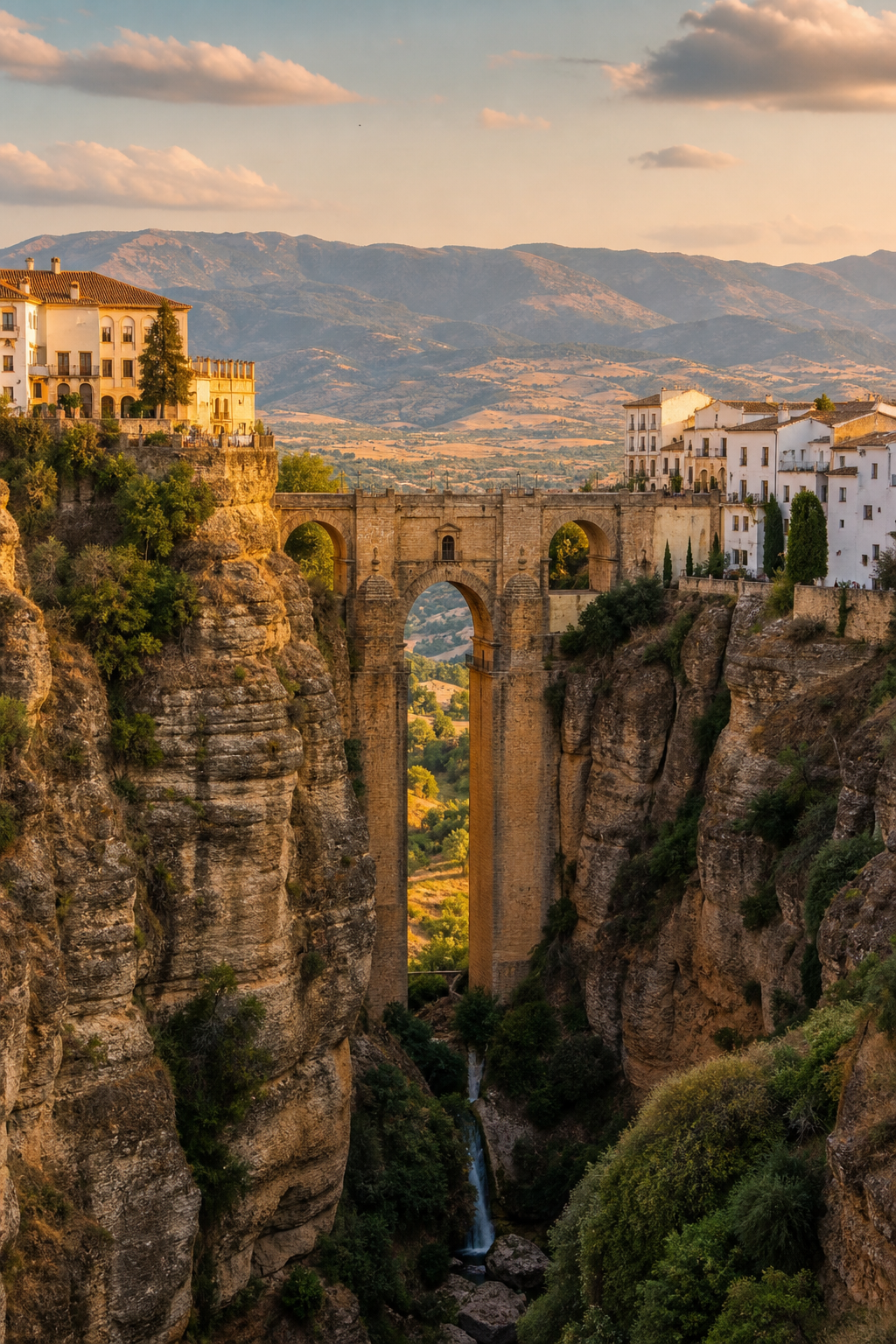
Ronda gets 13 mentions across the top Andalusia itinerary sources we analyzed, more than any other city. Yet almost none of those sources include specific day numbers, best times to visit, or entry fees. That’s a gap worth filling.
Ronda is built on the edge of a gorge, and the Puente Nuevo bridge is the view everyone comes for. For the best angle on the bridge, walk down the path into the gorge to the Arco del Cristo viewpoint. It takes extra effort, but the perspective from below is far better than from street level. The view is free.
Beyond the bridge, the Plaza de Toros is one of Spain’s oldest bullrings and worth a quick visit. The old Moorish town on the other side of the gorge has good tapas bars and fewer tourists than the main bridge area. Stay one night if you can. The town empties after the day-trippers leave, and evening Ronda is a different experience.
Most people fly into Málaga and immediately leave for somewhere else. That’s a mistake if you have time. The Gibralfaro Castle has the best harbor views in Andalusia. Below it, the Alcazaba fortress is compact and well-preserved. The Picasso Museum is small but the collection is genuine; skip it if modern art isn’t your thing and head to the Atarazanas Market instead for local produce and a cheap lunch.
Málaga’s waterfront area (Muelle Uno) is good for an evening walk. The beaches closest to the city center are nothing special; if you want a beach day, take a short bus or train ride to Nerja instead.
The pueblos blancos stretch across the Cádiz and Málaga provinces. Zahara de la Sierra, Arcos de la Frontera, and Setenil de las Bodegas are the three most worth your time. Setenil is genuinely unusual: the houses are built under rock overhangs, with the cliff forming the ceiling. It’s a 20-minute drive from Ronda and easy to combine.
Frigiliana, near Nerja on the coast, has the reputation for being the most photogenic, with ceramic tile mosaics and flower-lined alleys. It gets busy midday. Arrive early morning or late afternoon. Trying to hit all five or six villages in a single day leaves you with nothing more than a windshield view of each one. Two villages in a day is the right pace.
Andalusian food is straightforward: fresh ingredients, old techniques, not much fuss. The tapas culture here is different from northern Spain. In Granada, many bars still give you a free small plate with each drink. In Seville and Málaga, you pay for your tapas, but portions are generous and prices are fair by Western European standards.
The dishes worth ordering anywhere: jamón ibérico (the cured ham, sliced thin), salmorejo (a thicker, creamier version of gazpacho with egg and jamón on top), gambas al ajillo (prawns cooked in garlic and olive oil), and pescaíto frito on the coast, which is lightly fried small fish best eaten at a port-side bar.
Gazpacho is worth trying in summer even if you’ve had a bad version before. The real thing, made with ripe tomatoes and good olive oil, is nothing like the watery version you may have encountered elsewhere.
The Sherry Triangle sits in the Cádiz province and covers three towns: Jerez de la Frontera, El Puerto de Santa María, and Sanlúcar de Barrameda. This is the only region in the world where sherry is produced under the protected Denominación de Origen. Fino sherries from El Puerto taste different from those made in Jerez because of proximity to the Atlantic. Manzanilla from Sanlúcar is lighter still.
If you’re on a 10 or 14-day itinerary, one day in Jerez is worth it. Visit a bodega, have lunch with a proper sherry pairing, and drive or take a short bus to the coast at El Puerto for the afternoon. This area gets far less tourist traffic than the big cities, and the food is exceptional.
A note for travelers who blog about or document their food experiences: building a recognizable voice around travel writing takes more than good photography. If you’re thinking about turning your trips into published content, understanding how professional author branding services work and what they cost is a useful early step before you start pitching outlets or building an audience.
The timing question has a clear answer: April to early June, or September to October. Temperatures sit between 20-28°C. The cities are busy but manageable. Spring has the added bonus of the major festivals.
July and August are genuinely difficult. Seville and Córdoba regularly hit 40-45°C. It’s not comfortable walking between attractions at midday in that heat. Hotels are cheaper in summer for a reason: occupancy in inland cities drops because most visitors avoid it. Don’t let a low hotel rate talk you into a miserable experience.
Winter (November to February) is underrated. Days are short, but temperatures in Seville are mild (15-18°C), crowds are thin, and prices drop. Granada gets cold at night, and the Sierra Nevada has snow. That contrast, mild coast plus snowy mountains visible from the Alhambra, is striking.
Budget travelers spending carefully can get by on €70-90 per day. That covers a mid-range hostel or cheap guesthouse (€25-40), meals eating where locals eat (€15-20 per day on tapas and a sit-down lunch), and transport within cities. Mid-range travelers can stay in comfortable three-star hotels, eat at sit-down restaurants twice a day, and take taxis when convenient, though daily costs vary by season and city.
Attraction costs add up. The Alhambra ticket (including the Nasrid Palaces) runs around €19 per person. The Real Alcázar in Seville admission pricing varies by season — check the official site before you go. The Mezquita in Córdoba costs around €11. Caminito del Rey admission is around €10 for the trail itself, more for guided options. Build at least €50-60 into your total budget for entry fees across a week.
Eating tip: the menú del día is a three-course lunch with bread and a drink, offered at most restaurants on weekdays for €10-14. It’s the best value meal in Spain and a way to eat well without spending much. Most locals eat their main meal at 2pm, not 7pm.
Two events are worth structuring your trip around if the dates work. Semana Santa (Holy Week, the week before Easter) fills Seville with some of the most intense religious processions in Europe. The streets are packed, hotel prices spike significantly, and booking six months ahead is not an exaggeration. It’s extraordinary to witness if you plan for it.
The Feria de Abril (April Fair) follows two weeks after Easter in Seville. It’s a private party that happens to take place on a public fairground, with flamenco, horses, and casetas (tents) hosted by local families and associations. Getting into casetas requires knowing someone with a pass, but the atmosphere on the main fairground is accessible to anyone. Both events happen in the same spring window, so choosing one of them as a trip anchor makes sense for a 10 or 14-day itinerary.
Skip the tablao dinner shows aimed at tourists. They’re expensive and the performances are abbreviated. Instead, look for a peña flamenca, a flamenco club run by and for local enthusiasts. Seville and Jerez both have active peña scenes. The performances are irregular and less polished, but they’re real. Ask at your accommodation for current listings rather than booking through a tour desk.
The Caminito del Rey walkway near El Chorro, between Málaga and Córdoba, is a ticketed trail built along sheer cliff faces above a gorge. It was renovated in 2015 and is now safe; its earlier reputation as one of the world’s most dangerous paths no longer applies. Entry requires a booked time slot. The full trail takes about three to four hours including the approach walk. If you can’t get tickets, the surrounding area has other hikes worth doing.
The Sierra Nevada, accessible from Granada, offers hiking from spring through fall and skiing in winter. The Cahorros de Monachil trail is reachable by public bus from Granada and takes about three to four hours for the full loop. Active travelers in decent shape should put this on the list for a 10 or 14-day trip.
If you do plan long hiking days, it’s worth noting that shoulder strain from carrying a heavy daypack is one of the more common minor injuries on active travel itineraries. Protecting your joints before a trip matters; resources like this step-by-step guide to rotator cuff rehab exercises are useful if you’re recovering from any shoulder issue before heading out.
Seven days covers the core: Seville, Granada, and Córdoba with one stop in Ronda. Ten days adds Málaga and a white village. Fourteen days lets you include the Cádiz province, the sherry region, and coastal areas without rushing. Less than seven days means you’ll spend more time on transport than actually exploring the cities.
Trains are faster and easier between the major cities: Seville, Córdoba, Málaga, and Granada are all well-connected. A rental car makes sense only if your itinerary includes Ronda, white villages, or rural areas not served by rail. Many travelers combine both: train between big cities, car for two or three days in the countryside.
April to early June and September to October are the best windows. Temperatures are comfortable (20-28°C), the landscape is green or golden, and the major festivals fall in spring. Avoid July and August in inland cities: temperatures regularly exceed 40°C in Seville and Córdoba, which makes sightseeing genuinely unpleasant.
Yes, and well in advance. The Nasrid Palaces have a capped daily visitor number, and tickets sell out weeks or months ahead during spring and fall. Book as soon as your dates are confirmed via the official Alhambra website. Arriving without a ticket means you can walk the gardens but cannot enter the palace rooms.
Seville makes the strongest base for a 7-day trip: it’s the largest city, the easiest to fly into (or reach from Madrid), and a good hub for day trips to Córdoba and even Ronda. Granada works better as a base if your priority is the eastern part of the region and you want to spend more time in the city itself.
Budget travelers spending carefully manage on around €70-90 per day including accommodation, food, and local transport. Mid-range travelers can expect to spend more for comfortable hotels and restaurant meals; pricing varies by season and how far ahead you book. Add €50-60 total across the trip for paid attractions like the Alhambra, the Alcázar, and Caminito del Rey.
Pick your trip length, confirm your Alhambra slot first, then build everything else around it. The Alhambra is the one truly time-sensitive booking in Andalusia. Everything else adjusts around your dates. Build a day-by-day draft, and adjust as your flights and accommodation fill in.
Find the best travel apps for flights, bookings, itineraries, transit, and travel days, with honest trade-offs and clear recommendations.
Use these travel planning tips to set a realistic budget, choose the right pace, book smarter, and build an itinerary you will enjoy.
Hostel vs hotel for solo female travelers: real price figures, safety comparison, and Maren's honest recommendation including the private hostel room option.