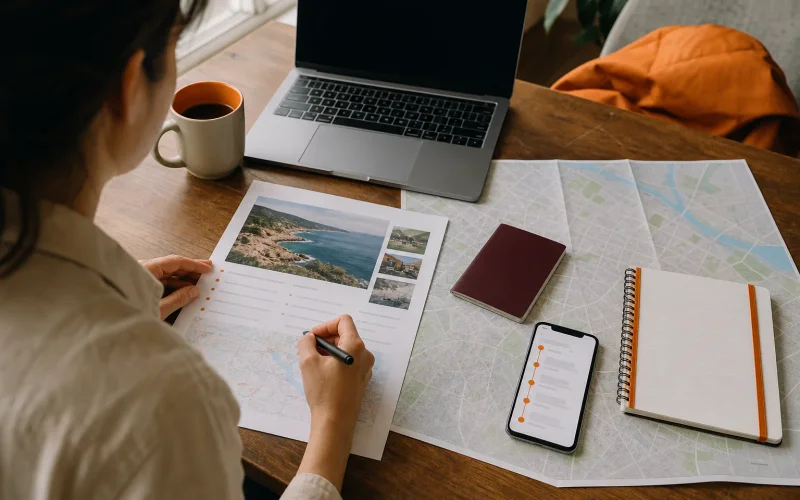
Travel Apps: What to Use for Every Trip
Find the best travel apps for flights, bookings, itineraries, transit, and travel days, with honest trade-offs and clear recommendations.
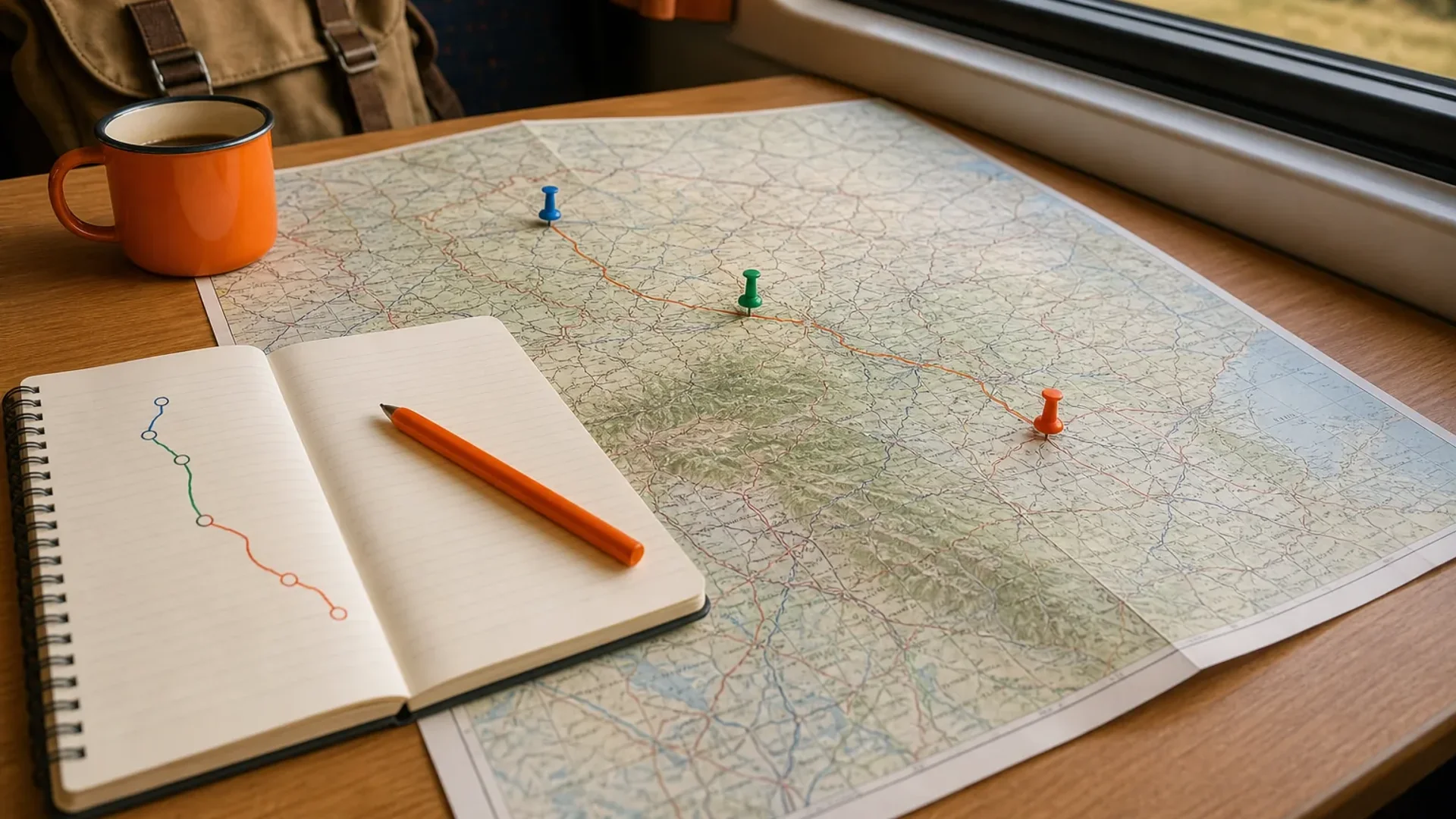
Ten days is enough for Budapest, Prague, and Vienna, but only if you treat travel days as part of the plan. This route works best when you start in Budapest, place Vienna in the middle, and finish in Prague, or reverse it when flights make more sense. We’ve kept the schedule full without turning every morning into a race.
A 10-day Budapest Prague Vienna itinerary gives each city about three full days, plus three intercity transfers. That is enough for a first visit, but it is too short for several day trips and long museum days.
We recommend flying into Budapest and out of Prague when fares work. The route then moves northwest through Vienna. If Prague has the cheaper arrival flight, reverse the order. Starting in Vienna can work, but it often adds backtracking.
The direct rail triangle is useful, though the legs aren’t equal. Budapest to Vienna takes about 2.5 to 2 hours 40 minutes. Vienna to Prague takes about four hours. Budapest to Prague takes close to 6.5 hours, so we wouldn’t book that long leg when a stop in Vienna fits the trip.
Keep your route inside the Schengen Area once you arrive in Austria or Czechia. The Schengen Area removes routine border checks between participating countries, but you should still carry your passport during every train ride.
Book rail tickets two to four weeks ahead when your dates are fixed. Advance fares can start near €15 on the Prague to Vienna route, while a last-minute flexible ticket can cost far more. Check the railway’s own site before using a reseller. Seat reservations are useful on busy Friday and Sunday departures.
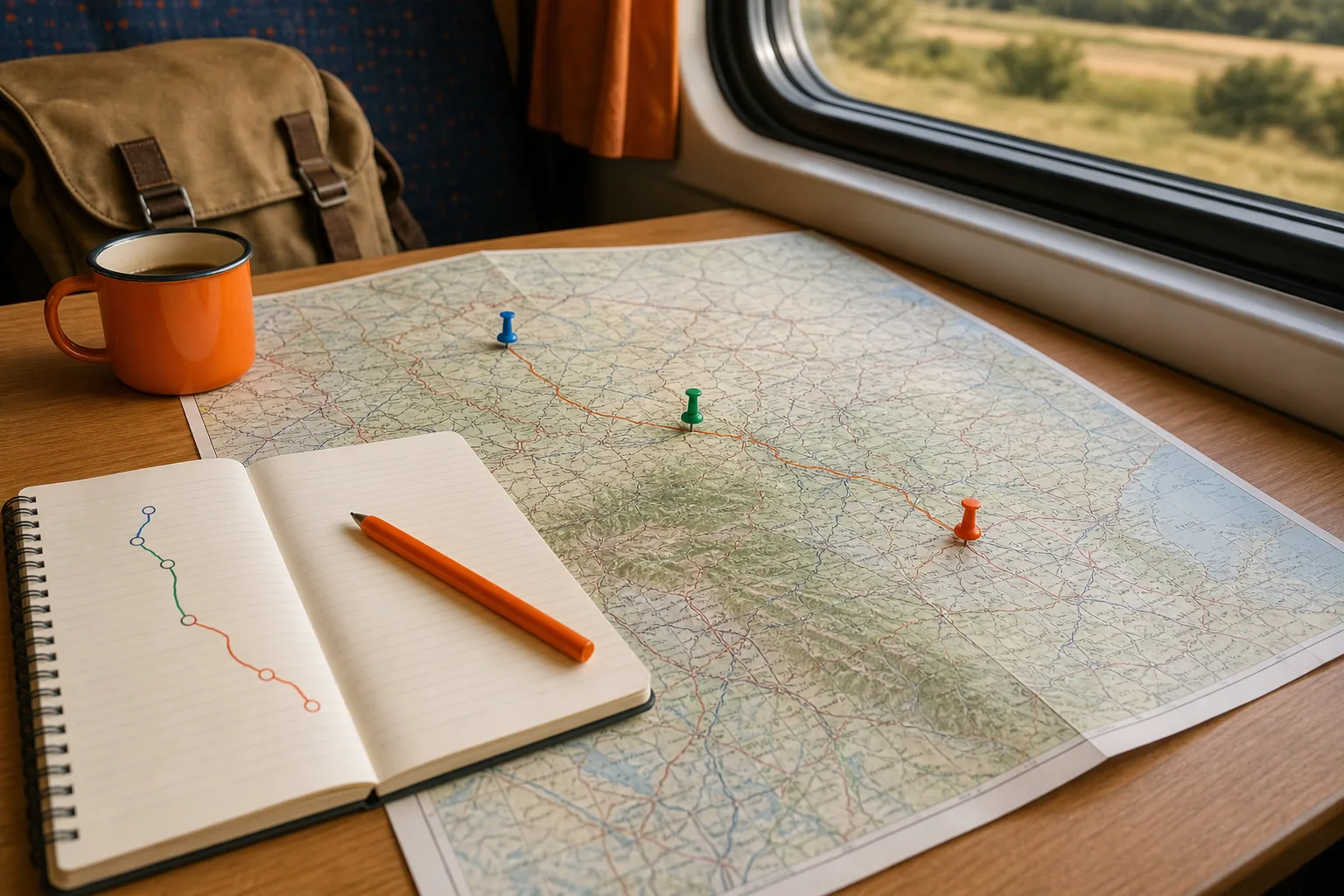
We’d skip adding Bratislava, Salzburg, and Český Krumlov to this version. Each can be worthwhile, but three capitals already mean a lot of walking and three hotel changes. If you have 14 days, add one day trip. With 10 days, protect the city time.
Key Takeaway: Choose open-jaw flights, keep Vienna between the other two capitals, and count every transfer as a half-day commitment.
Budapest works well as the opening city because its food, baths, and river views ease you into the trip. Stay on the Pest side if you want more restaurants and simple evening walks. Choose the Castle District if quiet streets matter more than nightlife.
After dropping your bags, walk along the riverside. See the Hungarian Parliament Building from across the river before crossing toward Buda. The building stretches about 268 metres along the water, so the opposite bank gives you the clearest first view.
Keep the rest of the afternoon light. Jet lag and cobblestones are a poor match. In the evening, visit a bar in the old Jewish Quarter if you want to experience Budapest’s nightlife. Go before 10 PM if you want a seat. We’d skip a late bar crawl on arrival night.
Book tickets for a major Parliament attraction before your trip. Tickets can sell out weeks ahead. Afterward, walk to a riverside memorial, then continue through central Pest at an easy pace.
Use the afternoon for exploring the surrounding neighborhood or a long café break. You don’t need another major ticketed sight. The point of this day is to let the city unfold between stops.
Cross the Chain Bridge in the morning and walk uphill to the Castle District. Matthias Church and Fisherman’s Bastion sit close together, so this is an efficient way to see Buda without crossing the river several times.
Spend the afternoon at a thermal bath in City Park. Pricing varies, and rates can change. Go on a weekday if possible. The baths are worth it, but they aren’t a quick stop. Allow several hours for changing, soaking, and getting back into town.
For a more food-focused trip, see our Budapest itinerary planning. For this route, keep dinner close to your hotel and save your energy for the next transfer.
By the end of Day 3, you should have seen both sides of the river, visited one bath, and left room for a second meal in the Jewish Quarter. That balance beats collecting six attractions you barely remember.
For this Budapest Prague Vienna itinerary, Prague gets three days after the first rail move. Take an early train if you’re coming directly from Budapest, or use Vienna as the middle stop when you want shorter travel legs.
After checking in, go to Old Town Square. The Astronomical Clock has an hourly show that takes only a few minutes. Treat it as a quick stop, not the main event.
Walk south toward the Vltava along Karlova Street, then continue by the river. A traditional Czech meal in a local pub is listed around €8 to €12 per person in current planning data. Prices vary by venue, so use that as a guide rather than a promise.
Finish with a view of Prague Castle across the water. The lit castle is more memorable than another rushed indoor visit. Prague rewards a slow first evening.
Cross Charles Bridge before 8 AM. Later, tour groups fill the span and make photos harder. Walk through Malá Strana, then climb to Prague Castle.
Allow two to three hours for the main cathedral and the wider castle complex. Descend through the gardens and return to Malá Strana for lunch. In the afternoon, explore the side streets instead of adding another large attraction.
A garden is a useful low-cost pause when it is open from April through October. It has free entry and gives your feet a break. We’d skip Petřín Hill on this day unless you still have energy after the castle climb.
Spend the morning in Josefov, Prague’s Jewish Quarter. The Old Jewish Cemetery and a nearby synagogue need about two hours if you want to read and reflect instead of rushing through.
Choose one afternoon plan. An underground tour suits travelers who want medieval rooms and cellars. Petřín Hill suits people who want gardens and a city view. Don’t force both into the same afternoon.
Český Krumlov is a UNESCO-listed town about 170 kilometres south of Prague, but we’d leave it out of a 10-day plan unless it replaces most of Day 6. The day trip adds transport time and gives you less time in Prague.
By now you should have covered the Old Town, Charles Bridge, Prague Castle, and Josefov. That is a full Prague visit. Anything else is a bonus, not a gap you need to fill.
Vienna is the right place to slow down in this itinerary. The Prague to Vienna train takes about four hours, city centre to city centre, on direct services. Leave in the morning so you can use the afternoon for the imperial core.
Check in, then walk to the cathedral. You can enter the nave for free, while tower access pricing varies. Continue along the Graben and Kohlmarkt toward the Hofburg.
Have dinner at a traditional Beisl, or Viennese tavern. Order Wiener Schnitzel if you want the classic meal, but don’t build the whole evening around a famous address. A good neighborhood meal often gives you more time and less queueing.
Vienna’s historic centre is compact enough to explore on foot, while public transit handles longer jumps. Keep your first afternoon simple because the train ride still takes energy.
Go to Schönbrunn Palace in the morning and book the palace visit ahead. The palace and gardens can take three hours. The Schönbrunn Palace entry covers a former Habsburg summer residence, though only 40 are open to visitors.
Return to central Vienna for the Ringstraße. Walk past Parliament, the Vienna State Opera, Hofburg, and nearby museums. Choose one museum. The Kunsthistorisches Museum alone deserves about two hours, especially if you want time with its Bruegel works.
Use the morning for an art museum and Klimt’s The Kiss, or choose a slower neighborhood walk. In the afternoon, visit another museum only if you genuinely want it.
Classical concert tickets can start near €30 in churches, with higher prices at major venues. Buy ahead when a specific performance matters. If it doesn’t, don’t pay for a concert simply because Vienna has one.
Readers who prefer food and district walks can spend an evening beyond the central sights. Our guide to Vienna neighborhood dining fits that choice better than another checklist of palaces.
Keep your final day flexible. Use it for a missed museum, a second coffeehouse stop, or a late morning in the district around your hotel.
We’d skip Hallstatt on this version. The journey can take about three hours each way by train, which leaves little time for the village. Bratislava is easier, but it still turns your final day into a transport day. If your flight leaves late, keep Vienna instead.
By the end, Vienna should feel like a place you visited rather than a list you completed. That is the right finish.
A usable budget needs separate lines for beds, meals, sights, local transport, and intercity rail. Room choice changes the total fast.
Use local currency when checking attraction pages. Czechia uses CZK, Austria uses EUR, and Hungary uses HUF. Cards work widely, but some small Budapest restaurants may prefer cash. ATMs usually give a better rate than airport exchange desks.
| Trip cost area | Planning figure | Decision rule |
|---|---|---|
| Daily budget, budget style | €80 to €100 per person | Choose this only if your room and meals stay simple. |
| Daily budget, mid-range | Planning band | Allows a more comfortable room and paid sights. |
| Prague to Vienna rail | About €15 to €30 in advance | Book early when your departure time is fixed. |
| Vienna to Budapest rail | Advance fares from about €15 | Check the official rail seller before a reseller. |
| Český Krumlov | UNESCO-listed town | Day trip. |
| Vienna concert | From about €30 in churches | Pay more only when the venue or programme matters. |
There is no honest fixed USD column here because exchange rates move. Convert the local price on the day you book, then add a small cushion for exchange fees. A price that looks cheap in euros can feel different after a card issuer adds a foreign transaction fee.
For Prague to Vienna, compare the available rail services. Check departure frequency, onboard amenities, fare classes, and how prices change closer to departure. A cheap fare is only useful if the time works with your hotel check-in.
For Vienna to Budapest, book through the Austrian or Hungarian railway systems when possible. Keep each ticket easy to find on your phone, but save an offline copy as well. Station names can be confusing when you’re tired.
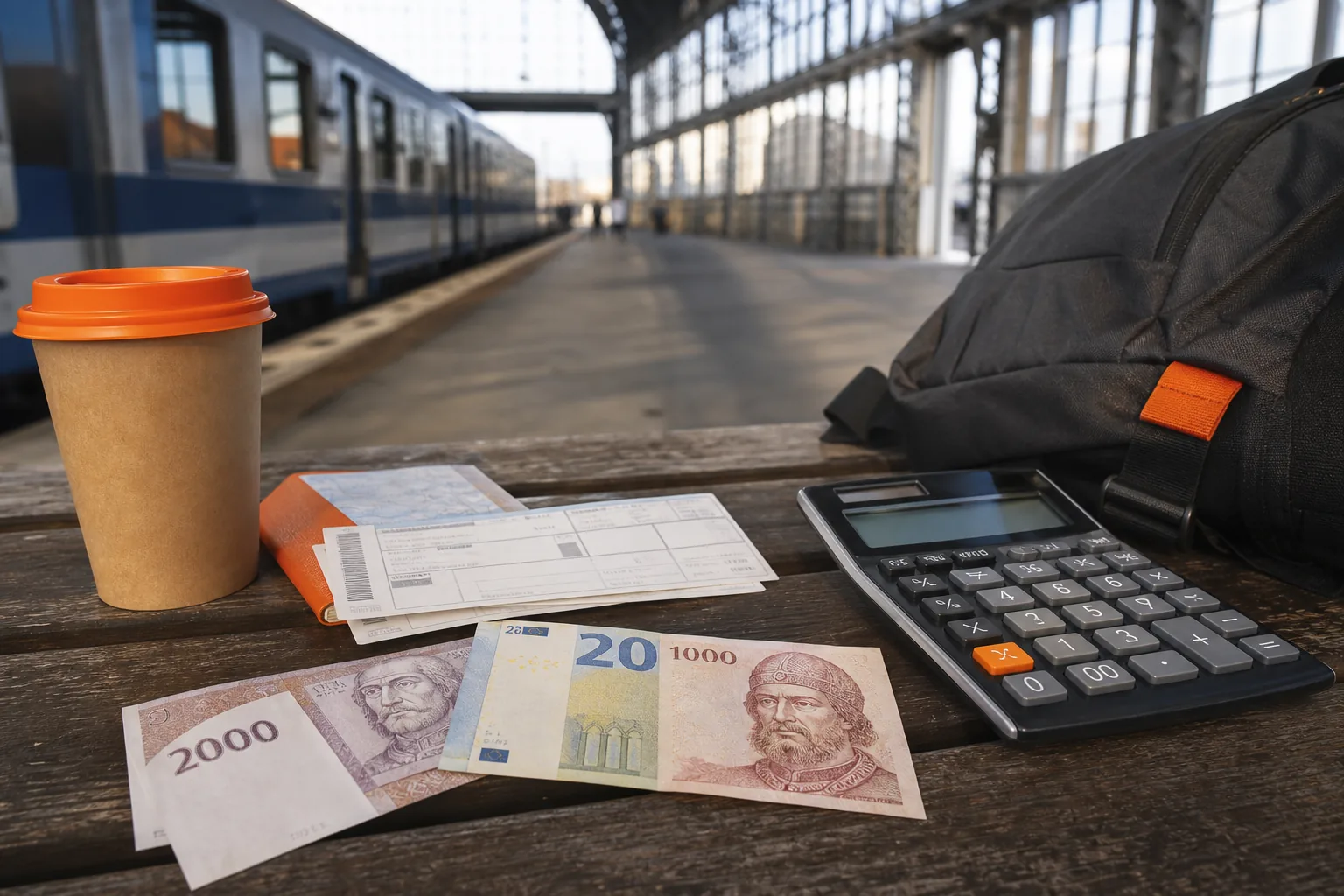
That matters on a route where a paid day trip or upgrade can quietly take the budget away from a meal or museum you actually wanted.
Pro Tip: Set rail alerts when your dates open, then book the connection before reserving nonrefundable hotels.
By now you should have an open-jaw flight plan, three rail legs, a hotel budget, and a short list of paid sights. That is enough to book without guessing.
Yes, 10 days is enough for a first visit to all three capitals if you skip most day trips. Plan three days in Budapest, three in Prague, and four around Vienna with travel included. You’ll see the main character of each city, but you won’t cover every museum or nearby town.
Start in Budapest, continue to Vienna, and finish in Prague when flight prices allow. This order avoids the longest Budapest to Prague rail leg and keeps Vienna between the other cities. The reverse route works just as well when Prague has the better arrival fare.
Yes, the Prague to Vienna train is worth using because it takes about four hours and links city centres directly. Advance tickets can start near €15. Compare the available train operators, then choose the departure that fits your hotel check-in rather than chasing the lowest fare.
We wouldn’t skip any of the three capitals in a 10-day plan, but we would skip extra day trips. Budapest gives you baths and river views. Prague gives you medieval streets. Vienna gives you palaces and museums. Remove a side trip before removing a city.
Accommodation usually has the biggest effect on a Budapest Prague Vienna itinerary, especially in central Vienna. Rail can stay reasonable when booked early. Set your room budget first, then decide which palace, bath, museum, or concert deserves a paid ticket.
We recommend this route for travelers who want three distinct capitals in one trip and can handle regular walking with three hotel bases. We don’t recommend it for slow travel. Dream it. Plan it. Live it.
Find the best travel apps for flights, bookings, itineraries, transit, and travel days, with honest trade-offs and clear recommendations.
Use these travel planning tips to set a realistic budget, choose the right pace, book smarter, and build an itinerary you will enjoy.
Hostel vs hotel for solo female travelers: real price figures, safety comparison, and Maren's honest recommendation including the private hostel room option.