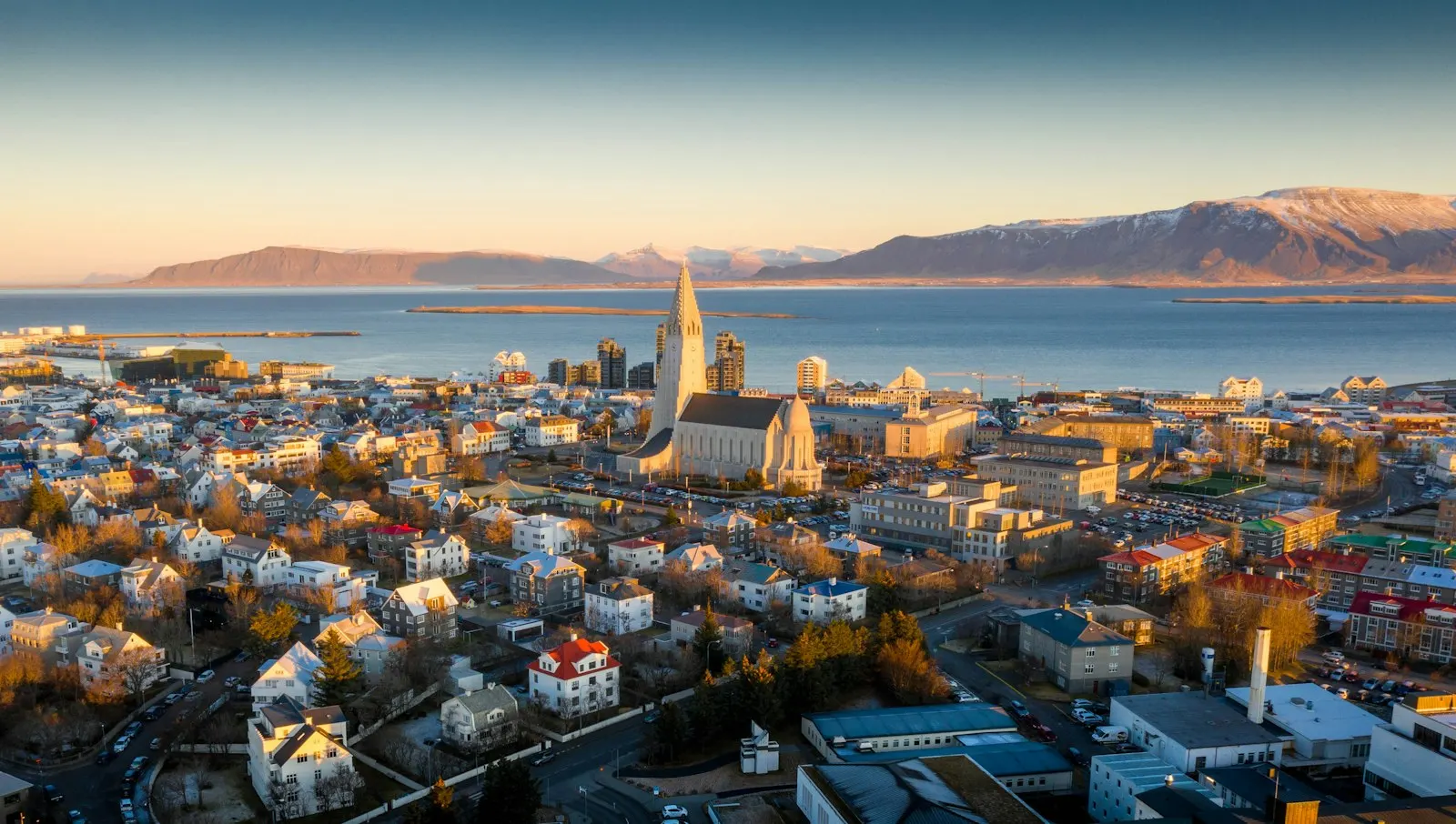
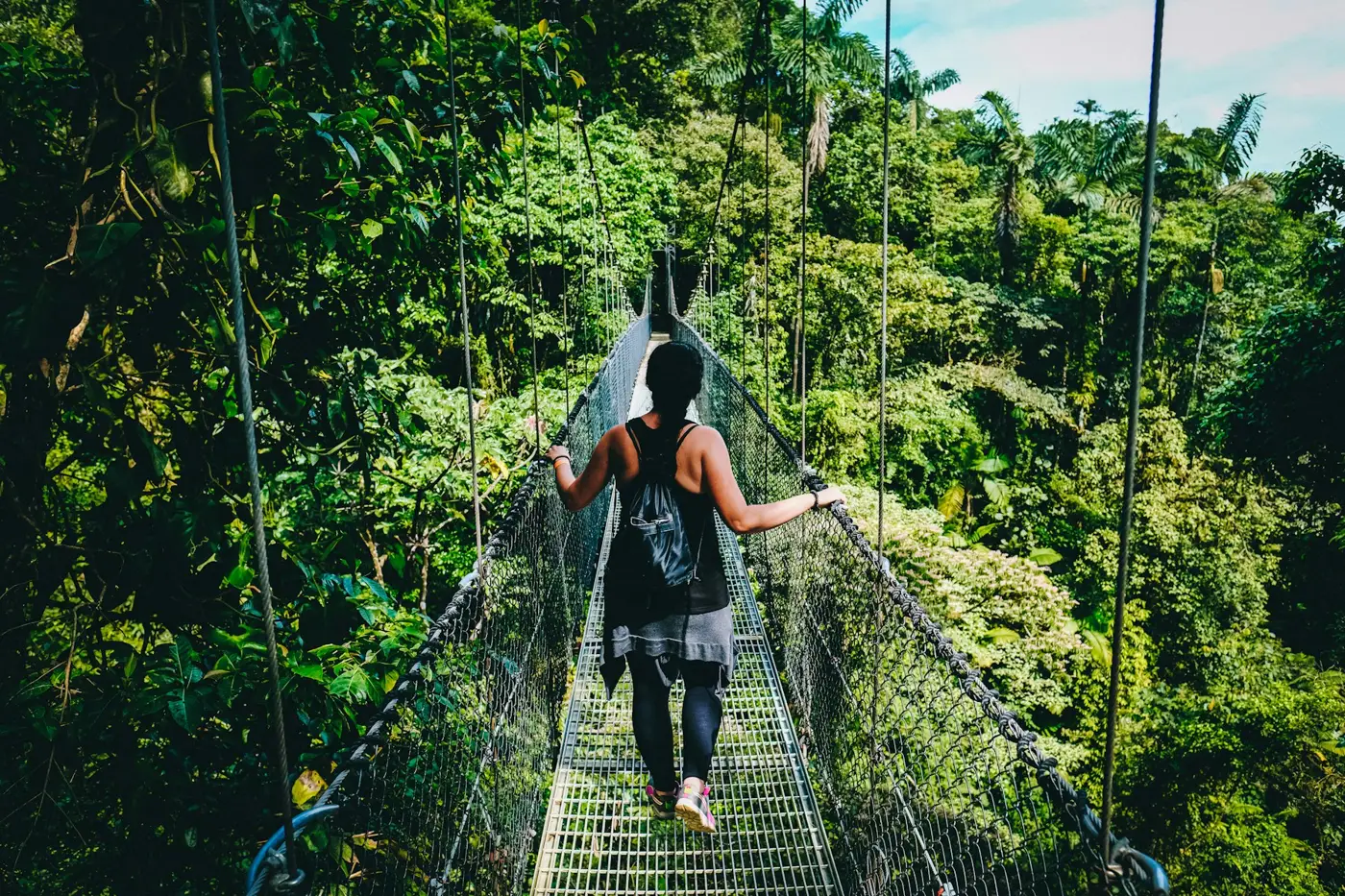
Solo female travel Iceland style comes down to one idea: the people are the easy part, and the landscape is the part that needs planning. Crime against visitors is rare, street harassment is close to absent, and the country is built around tourism. The real risks are sudden weather, changing roads, and remote terrain.
This guide covers what the safety picture actually looks like, how to get around without a plan that depends on luck, and when to book a tour instead of going it alone.
Details here were checked against Guide to Iceland, Hertz Iceland, Intrepid Travel, and SafeTravel.is in October 2026. Conditions and prices change, so confirm anything time-sensitive before you book.
Is Iceland safe for a woman traveling alone?
Yes, by almost any measure. Hertz Iceland’s solo travel guide says the country consistently ranks as the safest on Earth in the Global Peace Index, and calls nature “the one real safety risk.” Guide to Iceland describes crimes against women as rare and says visitors generally feel comfortable in both cities and remote areas.
The day-to-day experience is what solo women tend to notice first. Guide to Iceland reports that catcalling is virtually unheard of and that women can walk alone at night in Reykjavík or smaller towns without feeling unsafe. If something does feel off at a bar or restaurant, the same guide says staff are quick to help.
Daylight matters here too. In summer the midnight sun means it barely gets dark, which removes one of the biggest worries solo women have about walking back to a hotel. Winter is the opposite, with only a few daylight hours, so plan evenings and drives accordingly.
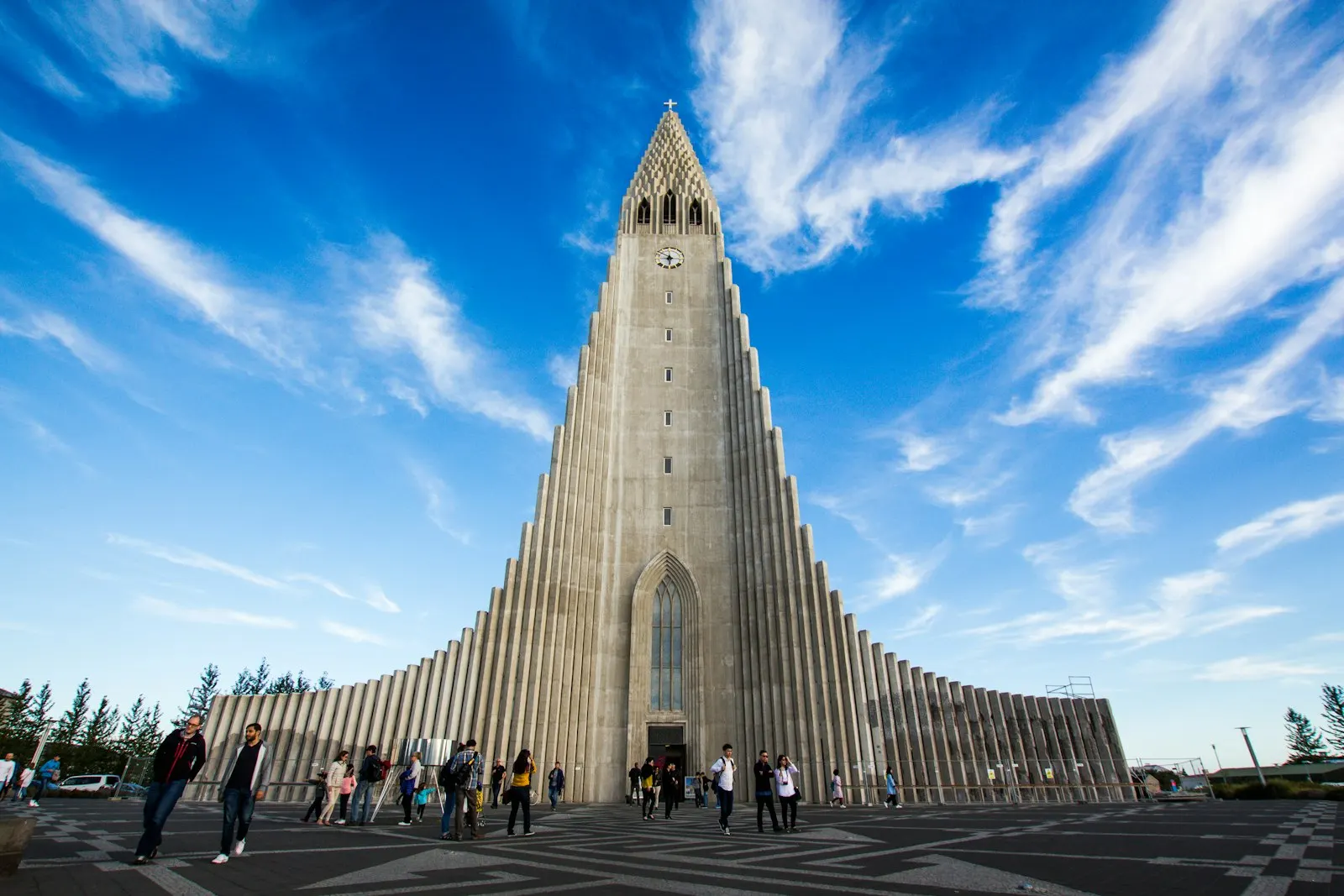
For general habits that apply anywhere, see our solo female travel safety tips. Iceland also ranks among the countries in our best solo trips for women roundup.
The real risks: weather, roads, and remote terrain
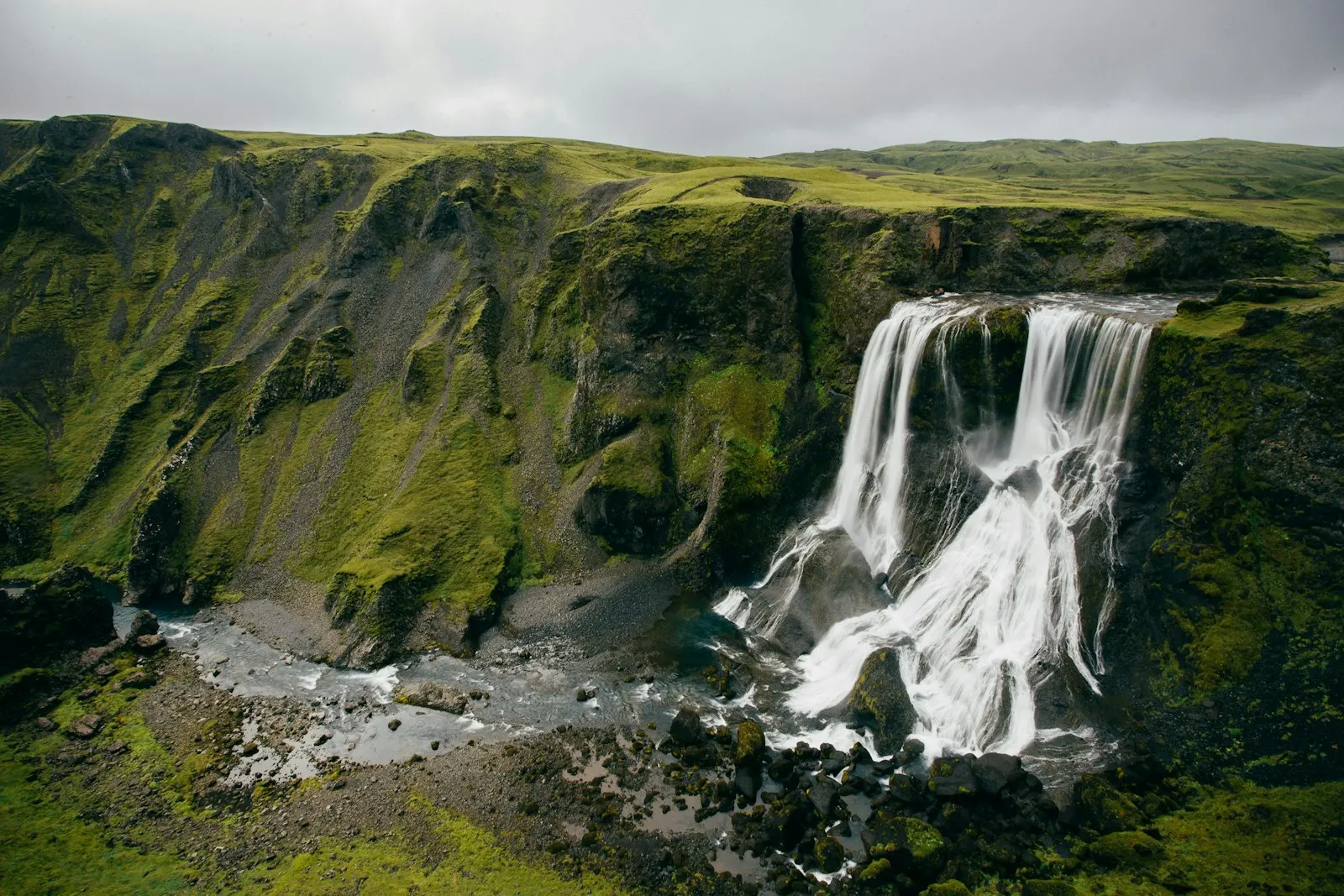
Nature is where solo travelers get into trouble. Hertz Iceland points to sudden storms and shifting road conditions, and says conditions can change within hours. SafeTravel.is, Iceland’s visitor safety site, makes the same point: weather is unlike what many visitors expect and can change fast.
A few habits cover most of it:
- Check conditions before every drive. Hertz recommends road.is for roads and vedur.is for weather forecasts, and suggests signing up for weather warning SMS alerts.
- File a travel plan. SafeTravel.is lets you submit your route so a trusted person can act if you do not check in.
- Stay on marked roads. Hertz notes that off-roading is illegal in Iceland and can bring a fine.
- Expect patchy signal in the highlands. Share your itinerary and check in regularly.
Save the emergency number before you land. Per SafeTravel.is, call 112, and if the call will not connect or the audio drops, use 599-0112 instead. If you hike, the SafeTravel app can send your GPS location to 112.
Getting around without a car
Reykjavík itself is small. Blonde Abroad describes the downtown as easy to navigate on foot or by bus, and notes that the Flybus is the simplest route from Keflavík airport, which is about 45 minutes away.
Outside the capital, public transport is thin. Hertz Iceland says there are minimal public routes, which is why most visitors rent a car. If you rent, note that several vehicles on Hertz’s listings require drivers to be 23 or older, and only a proper 4x4 is allowed on the summer-only F-roads.
If you would rather not drive, you do not have to. Solo Female Wanderer points out that Iceland is extremely accessible through group tours, and that there is no public transport to many trailheads and natural attractions. Adventurous Kate makes a similar point, noting that Iceland has hundreds of day tours built around hiking, glacier walks, whale watching, and hot springs.
When a tour is the smarter choice
Some of Iceland’s best experiences are tour-only in practice. Adventurous Kate’s reply to a reader says you cannot realistically climb a glacier or snorkel Silfra without the right equipment and expertise, so a guide is the sensible way in.
Tours also solve the social side. Adventurous Kate recommends day tours to solo travelers as an easy way to meet people, and a reader comment on her post says they met several other solo travelers on tours and did not feel alone.
If you want a longer trip with built-in company, Intrepid Travel’s Iceland trips average about 10 people per group. Intrepid pairs solo travelers with another traveler of the same gender for shared rooms and offers a private room option on most trips, which you request at booking. Read our guide to solo travel groups for how to compare operators.
Where to stay and eat on your own
In Reykjavík, Blonde Abroad suggests the area near Laugavegur for hotels and the residential streets south of it or in Vesturbær for guesthouses and hostels. Outside the city, accommodation gets scarce, and beds can book up, so reserve ahead. Hertz Iceland also recommends booking the Blue Lagoon and Sky Lagoon in advance, since they often sell out.
Eating alone is easy. Adventurous Kate recommends cafés as a low-pressure place to sit with a book, and Blonde Abroad suggests grocery stores and a kitchen to keep costs down, since restaurants are pricey. Gas stations often double as cafés and mini-markets in rural areas, per Hertz.
If you are weighing hostels against private rooms, our comparison of hostels vs hotels for solo female travelers lays out the trade-offs.
When to go
Guide to Iceland breaks the year down this way:
| Season | What to expect |
|---|
| Summer | Midnight sun, long days, easiest conditions for first-timers |
| Fall (September to October) | About 37 to 50 F (3 to 10 C), fewer crowds, lower prices, northern lights begin to return |
| Winter (November to March) | Only a few daylight hours, northern lights, ice caving and glacier hiking, lower accommodation costs |
| Spring (April to May) | About 40 to 50 F (4 to 10 C), longer days, smaller crowds, roads reopen gradually |
For a first solo trip, we would pick summer or the shoulder months. Winter is rewarding but asks more of you, with shorter days and trickier road conditions to plan around.
What to pack
Blonde Abroad’s advice holds across seasons: windproof jacket, fleece, hiking boots, wool socks, thermal layers, a beanie, and gloves, because the weather changes quickly even in summer. Add a paper map or offline GPS, since signal can drop in the highlands.
For a short list of personal safety items that work anywhere, see our guide to safety devices for women.
Before you book
Get travel insurance that covers outdoor activities and medical evacuation, and read our travel insurance guide for solo female travelers for what to look for. Intrepid requires insurance on its trips, and it is just as sensible if you travel independently.
Then plan your route. Our Iceland itinerary for 7 days is a good starting point once you have decided between a rental car and tours.
Frequently asked questions
Is it safe for a woman to travel alone in Iceland?
Yes. Iceland is consistently ranked among the safest countries in the world, and Guide to Iceland reports that harassment and violent crime against visitors are rare. The main risks are weather and road conditions, so check road.is and vedur.is and share your plans.
Do I need a car in Iceland?
Not in Reykjavík, which is walkable. Outside the capital, public transport is limited, so you will either rent a car or book day tours and group trips.
Is Iceland good for a first solo trip?
Many solo travelers say yes. English is widely spoken, the infrastructure is built for tourists, and day tours make it easy to meet people, according to Adventurous Kate’s first-time solo guide.
What number do I call in an emergency in Iceland?
Call 112. If the call will not connect, SafeTravel.is says to use 599-0112 as a backup.