I’ll answer the question in the first paragraph, because most articles on this topic won’t: yes. Solo travel gets lonely sometimes. I have felt it on a rainy Tuesday in Ljubljana, eating dinner next to a table of six who were laughing at a joke I half-understood. Anyone who tells you they travelled alone for months and never once felt lonely is either unusually wired or editing the story.
But — and this is the part that matters — lonely sometimes is not the same as lonely trip. The loneliness of solo travel is occasional, predictable, and fixable, and it coexists with some of the least lonely experiences of my life. The research on solitude backs this up in ways I found genuinely useful, so this is the honest version: when the loneliness hits, why it isn’t the dealbreaker people fear, and what actually works when it shows up.
The Fear Is Bigger Than the Thing
Start with a useful gap in the data. In Radical Storage’s solo travel statistics roundup, 31.1 percent of people who have never travelled solo say they would feel lonely if they took a trip alone — it’s one of the biggest barriers keeping people home, alongside safety worries (cited by 46 percent of women).
Now look at people who actually do it. In Solo Traveler World’s reader survey data — their 2024 survey drew 2,400 respondents — the picture is of people choosing aloneness on purpose: 59 percent travel solo because they want to see the world and aren’t willing to wait for companions, 45 percent prize the freedom to do what they want when they want, and relaxation ranks as the number one motivator globally at 61 percent. These are not the answers of a population being ambushed by misery. The fear of loneliness is largely a non-traveller’s fear, projected onto an experience they haven’t had yet.
That projection makes sense, because most of us have never practised being alone in public. We’ve been alone at home, which is invisible, and we imagine being alone abroad will feel like that plus exposure. It doesn’t. It feels like something else entirely — which is where the psychology gets interesting.
Loneliness and Solitude Are Different Things
The most clarifying idea I’ve found comes from psychologist Virginia Thomas of Middlebury College, who has spent a decade studying why people choose to be alone. Her distinction: loneliness is unwanted isolation — a gap between the connection you have and the connection you want. Solitude is chosen aloneness, and it behaves completely differently in the body and mind. Her research links positive solitude to emotional recharging, personal growth, creativity, and clearer self-connection. In a 2024 survey she cites, 56 percent of Americans said alone time is vital to their mental health — even as headlines frame being alone negatively ten times more often than positively.
The strongest evidence for the choice factor comes from a University of Reading study led by Professor Netta Weinstein, which tracked 178 adults across 21 days of daily diaries, logging time alone against stress, autonomy, and loneliness. The findings cut both ways, which is why I trust them. More time alone reliably predicted lower stress and a stronger sense of freedom and authenticity. But days with lots of alone time also showed more loneliness and dipping life satisfaction — unless the solitude was chosen, in which case the negative effects shrank dramatically. As Weinstein put it: “Time alone can leave us feeling less stress and free to be ourselves.”
Read that back against solo travel and the whole question reframes. A solo trip is about the most deliberately chosen solitude a person can construct — you planned it, paid for it, and boarded the plane on purpose. You’ve pre-loaded the single variable that research says separates restorative alone time from the lonely kind. That’s the structural reason solo travel feels so much better than its reputation: it is solitude with intent, not isolation by accident.
It also explains the exceptions. The moments loneliness broke through for me were precisely the moments choice disappeared — grounded by a storm, sick in a guesthouse, stood up by a plan. Alone on purpose is a different chemical than alone because something fell through, even in the same city on the same day.
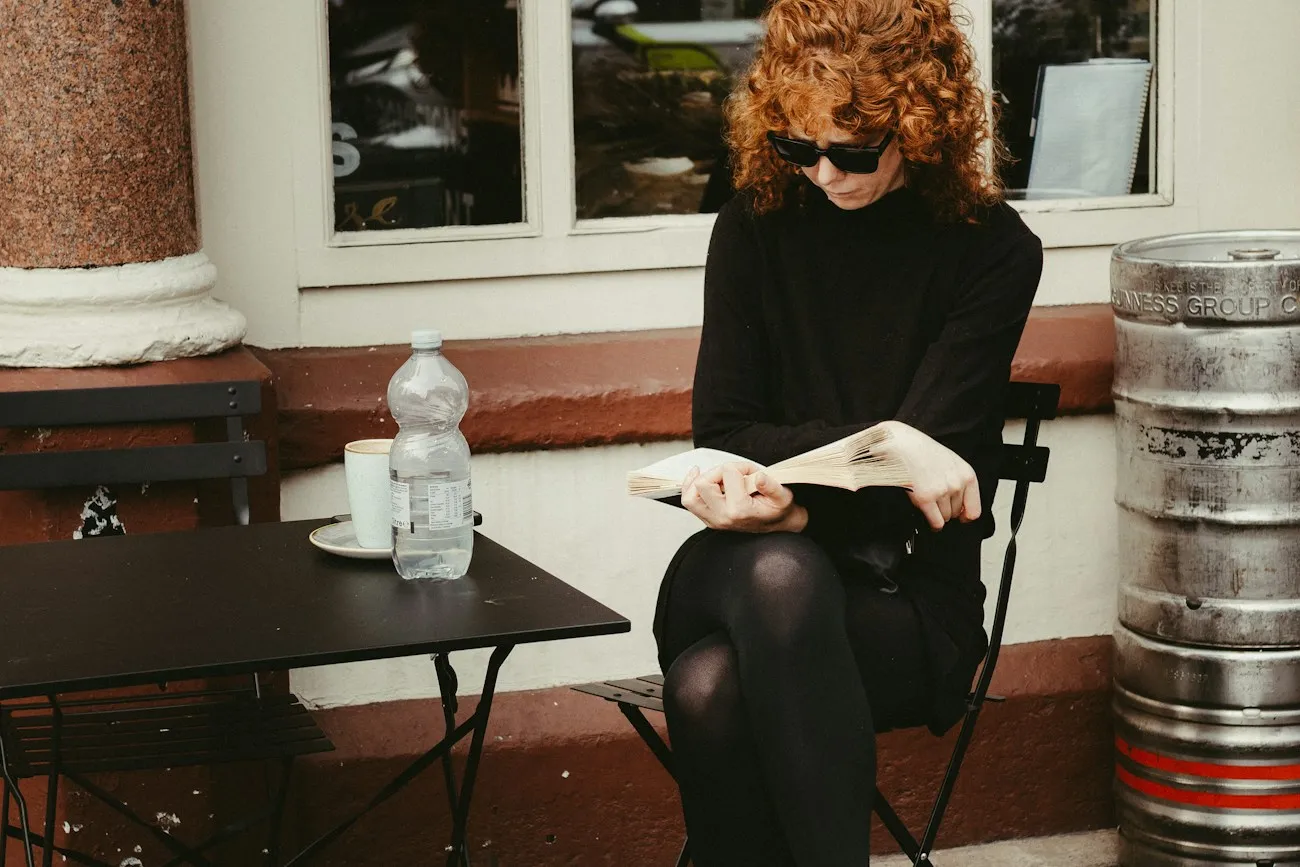
When the Lonely Moments Actually Hit
Four situations account for nearly all of it, in my experience and in every honest conversation I’ve had with other solo travellers:
Dinner. Breakfast alone is normal everywhere, lunch is invisible, but dinner is culturally staged for groups, and it’s where solo diners feel most watched. This one is so universal I wrote a whole piece on how to eat alone while traveling — the short version is that bar seating, lunch-as-main-meal, and a book transform it within a week.
The witness problem. You see something extraordinary — bioluminescence, a perfect sunset, a street musician nailing it — and turn to share it with nobody. This is the loneliness of unshared joy, and it’s real. It’s also the easiest to soften: a voice note to a friend, a photo sent to the group chat, a journal. The experience doesn’t need a witness to count, but the impulse to share deserves somewhere to land.
Sundays and sickness. Cities empty out on Sunday evenings; being ill alone in a hostel bunk is objectively grim. These are schedule problems more than character problems — plan something social for Sunday nights, keep medicine and a comfort show downloaded.
Transition days. The first 48 hours in a new place, before it has any familiar faces, are the loneliest window of any trip. Knowing this is half the cure: it’s not the trip failing, it’s day one doing what day one does.
Notice what’s not on the list: weeks two and three, the long train rides, the museums, the hikes. The bulk of solo travel time is either genuinely social or genuinely restorative solitude. The lonely moments cluster in a few predictable slots — which means they can be planned for.
The Fixes That Actually Work
Front-load the social infrastructure. Loneliness on the road is mostly a logistics problem wearing an emotional costume. Book a social hostel (private room if you want sleep — the common room is what you’re buying), a walking tour for day one, a cooking class for day two. Structured activities do the introductions for you; nobody cold-approaches strangers in a plaza.
Alternate solitude and company deliberately. The Reading study found no universal ideal ratio of alone time to social time — people differed widely. Your job is to find your ratio and schedule both halves on purpose. Mine is roughly two quiet days to one social one; a friend of mine inverts it exactly.
Put real life on a schedule, not on demand. A planned weekly call home beats compulsive scrolling, which is the worst of both worlds — Thomas’s research notes that solitude’s benefits largely fail to materialise when alone time is spent passively feeding on social media. Alone with your phone is not the restorative kind of alone.
Practise being good company for yourself. This is a skill, not a trait, and it improves fast with use. The strongest predictor of how a solo trip feels isn’t the destination — it’s whether you’ve learned to enjoy your own company at home first. The cafe-and-a-book evening that feels exposed in week one feels like luxury by week three.
If the maths still doesn’t work for you, change the format. There’s no medal for white-knuckling solitude. Solo travel groups — organised trips where everyone arrives alone — deliver the independence without the empty dinner table, and the Solo Traveler World data shows this is mainstream, not a cop-out: 54 percent of solo travellers say they like group travel at least some of the time.

The Part Nobody Warns You About
Here’s the twist I didn’t expect when I started: solo travel is frequently less lonely than ordinary life at home.
At home, aloneness is ambient and unchosen — the flat is quiet because everyone’s busy, not because you decided it should be. On the road, the same evening alone is something you authored. And the social contact you do get while travelling is oddly high-quality: strangers talk to a solo traveller in a way they never approach a couple, because you’re approachable, unoccupied, and obviously open to the world. Some of my fastest, deepest conversations have happened within an hour of meeting someone at a hostel kitchen or on a trail — a kind of accelerated honesty that three years of office small talk never produced.
This matches the broader reframing in the solitude research: Thomas points out that rates of living alone have nearly doubled in fifty years, yet the people who frame their alone time as chosen — “me time” rather than “isolation” — consistently experience it more positively. Solo travel is that reframe, enacted with a boarding pass. I went deeper on what going alone actually does for confidence and self-trust in my piece on the benefits of solo travel, but the loneliness-specific headline is simple: the trip teaches you the difference between being alone and being lonely, and that lesson comes home with you.
So — Does Solo Travel Get Lonely?
Yes, in moments: first nights, sick days, the odd dinner, the sunset with no witness. Predictably, briefly, fixably.
No, as a condition: the research says chosen solitude lowers stress and raises your sense of freedom, the traveller data says people go alone for the aloneness and keep going back, and the lived experience says the road is full of people who will talk to you the moment you’re open to it.
The fear of loneliness is the tax people pay to avoid solo travel. The occasional lonely hour is the much smaller tax you pay to do it. Having paid both at different points in my life, I can tell you the second one is the bargain.
Frequently Asked Questions
Is it normal to feel lonely when travelling alone?
Completely. Almost every solo traveller feels it occasionally — most often during the first couple of days in a new place, at dinner, or when something goes wrong. What’s not typical is feeling lonely for the whole trip; the lonely moments are brief and tend to cluster at predictable times you can plan around.
How do I stop feeling lonely on a solo trip?
Build social contact into the structure: stay somewhere with a common room, book a walking tour or class in your first 48 hours, and schedule calls home rather than scrolling. Then balance it with alone time you’ve chosen on purpose — research from the University of Reading found chosen solitude lowers stress, while unchosen isolation is what drives loneliness.
Is solo travel bad for your mental health?
The evidence points the other way for most people. Psychologists distinguish loneliness (unwanted isolation) from solitude (chosen alone time), and chosen solitude is linked to lower stress, emotional recharging, and a stronger sense of autonomy. A solo trip is chosen solitude by design — though if you’re currently struggling with depression or acute loneliness at home, build more social structure into the trip, or start with a group format.
Should I try a group trip instead of going fully solo?
If the empty-dinner-table picture is what’s stopping you, yes — solo travel groups, where everyone arrives alone, are a legitimate middle path, and over half of experienced solo travellers say they enjoy group formats at least some of the time. Many people alternate: group trip first, fully solo once they’ve seen the mechanics up close.