The first budget I ever built for a solo trip was wrong by about forty percent. I had priced the trip the way travel articles taught me to, with averages that quietly assumed two people splitting a room. Traveling alone, I paid the whole room, the whole taxi, the whole everything, and my “two weeks in Portugal” fund ran dry on day ten.
So let me answer the question properly, with current numbers. How much does solo travel cost? For most destinations in 2026, a realistic range is $40 to $90 per day for budget travel and $100 to $200 per day for mid-range comfort, before flights and insurance. Where you land inside that range depends almost entirely on three choices: the region, the bed, and how often you eat like a local.
Here is the full breakdown.
Daily Costs by Destination Tier
The most useful planning model I have found groups countries by cost tier rather than by continent. Tom’s Solo Travels budget calculator maintains a current version of this, covering accommodation, food, local transport, activities, and a small buffer — flights excluded. The 2026 figures, converted to approximate US dollars:
| Cost tier | Example destinations | Budget / day | Mid-range / day |
|---|
| Very low cost | India, Nepal, Bolivia | ~$25 (£20) | ~$75 (£60) |
| Low cost | Vietnam, Cambodia, Indonesia, Egypt | ~$33 (£26) | ~$95 (£75) |
| Moderate | Thailand, Mexico, Turkey, Morocco | ~$46 (£36) | ~$120 (£96) |
| Above average | Portugal, Spain, Greece, South Korea | ~$65 (£51) | ~$163 (£129) |
| High | Italy, Japan, France, UK | ~$78 (£62) | ~$202 (£160) |
| Expensive | USA, Australia, Maldives | ~$92 (£73) | ~$230 (£182) |
| Very expensive | Switzerland, Norway, Iceland, Singapore | ~$107 (£85) | ~$261 (£207) |
Two things to notice. First, the gap between tiers is enormous: a month in Vietnam at budget level costs about what ten days in Switzerland costs. Second, the jump from budget to mid-range roughly triples your spend in every tier. The single biggest lever in your solo travel budget is not the destination’s reputation — it is whether you sleep in a dorm, a guesthouse, or a hotel.
What Those Days Actually Look Like: Southeast Asia
Southeast Asia remains the reference point for cheap solo travel, and the current numbers hold up. According to South East Asia Backpacker’s 2026 cost guide, a shoestring traveler gets by on $22 to $35 per day ($660 to $1,050 per month), a comfortable budget traveler spends $40 to $55, and a flashpacker with private rooms and regular Western meals runs $60 to $90.
The line items behind those totals:
| Item | Typical price |
|---|
| Hostel dorm bed | $3.50 – $18 per night |
| Private hostel room | $10 – $45 per night |
| Hotel double room | $10 – $80 per night |
| Street food meal | $0.80 – $4 |
| Local restaurant meal | $4 – $12 |
| Western restaurant meal | $7.50 – $17.50 |
| Scooter rental | $6.50 – $21 per day |
| One-hour massage | ~$10 |
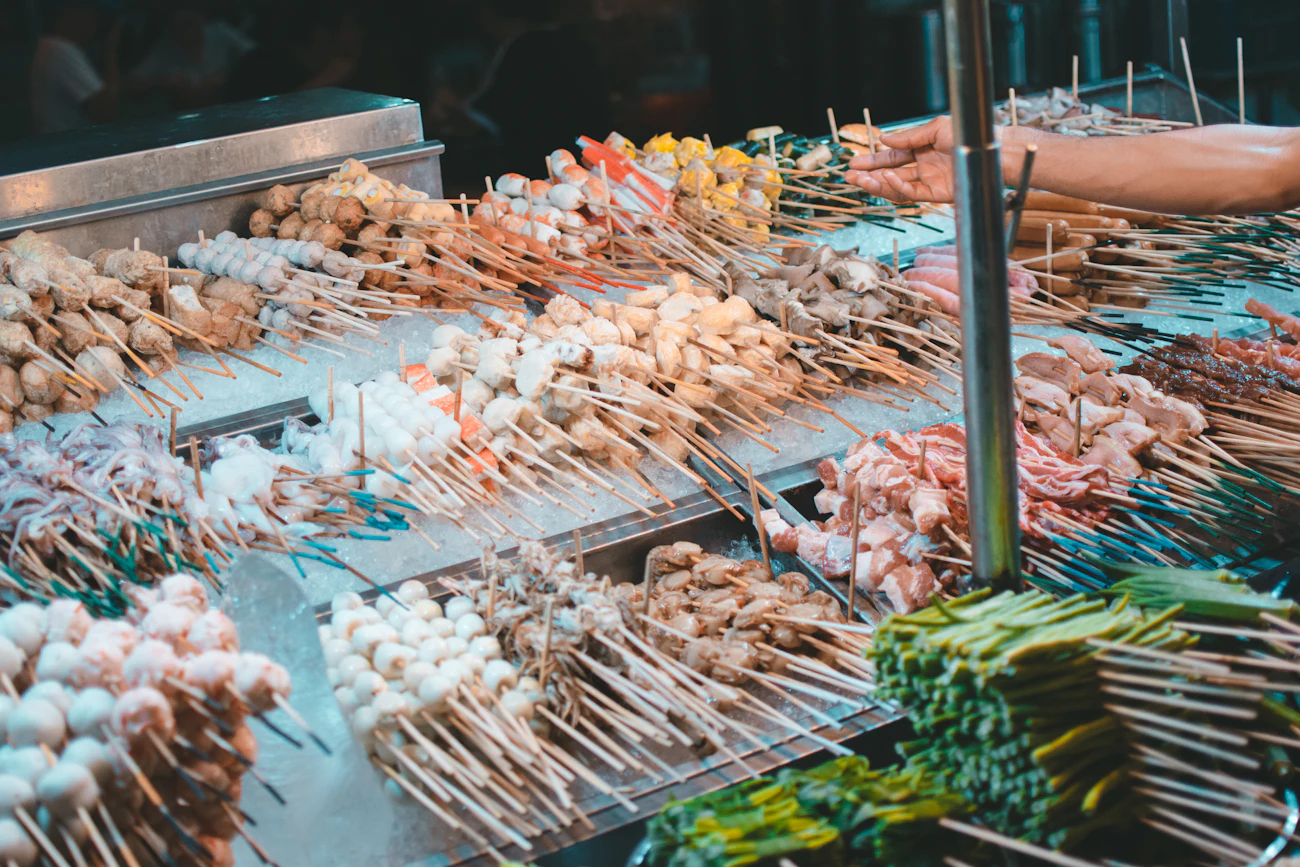
The street food line is the one I want you to look at twice. In Vietnam or Thailand, eating brilliantly from markets and stalls costs $5 to $10 a day total. The same three meals in restaurant form can run $30 or more. Over a month of travel, that single habit is a $600+ swing — enough to extend the trip by two or three weeks.
What Those Days Look Like: Europe
Europe is the other end of most solo travelers’ wish lists, and the budget math changes sharply. She’s Abroad Again’s 2026 backpacking cost breakdown puts the overall range at €60 to €150 per day, with strong regional variation:
| Region | Daily budget |
|---|
| Eastern Europe (Balkans, Poland, Hungary) | €30 – €40 |
| Central Europe | €40 – €50 |
| Southern Europe | €40 – €80 |
| Western Europe | €50 – €80 |
| Northern Europe / Nordics | €50 – €80+ |
Dorm beds run €20 to €40 per night in low season and €25 to €50 in high season in most of Western Europe, versus €8 to €15 in Belgrade, Budapest, or Tirana. A realistic two-week backpacking trip lands between €650 and €1,200 on the ground; a month runs €1,200 to €2,500.
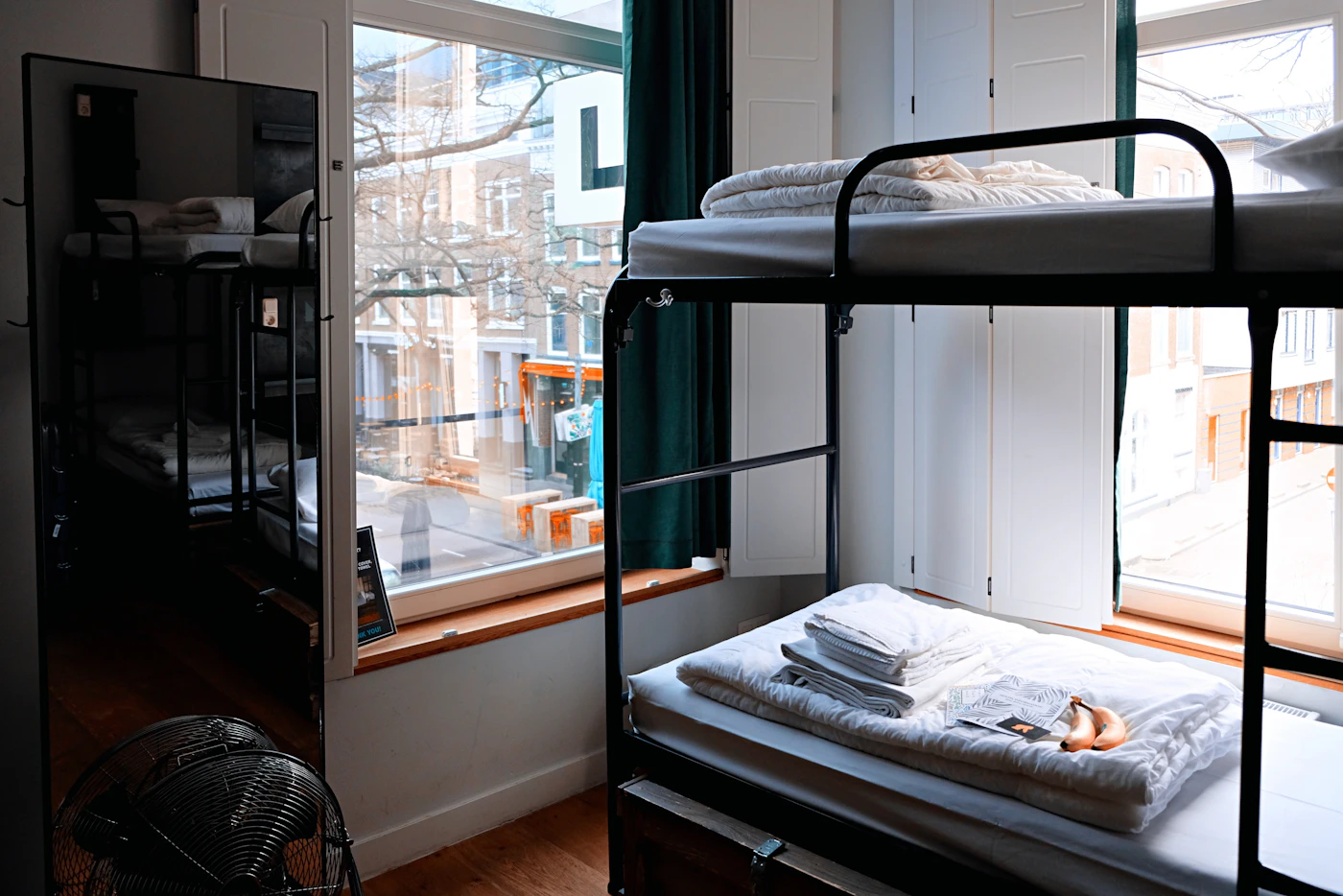
If you are weighing a dorm against a private room for your own trip, I wrote a full comparison of hostels versus hotels for solo female travelers — the short version is that the right hostel is a safety feature, not a compromise, and it is the difference between a €45 night and a €120 night in most of Western Europe.
The Solo Premium: Why Your Trip Costs More Per Person
Every number above gets worse when travel pricing assumes two people. This is the part first-time solo travelers consistently underestimate.
The clearest example is the single supplement — the surcharge tour operators, cruise lines, and some hotels add when you occupy a double space alone. Current industry figures put it at 25 to 100 percent of the base price, which means a solo traveler can pay 1.25 to 2 times the per-person brochure rate for the identical trip. It is improving — several cruise lines now offer dedicated solo cabins or waived supplements on select sailings — but on standard group tours it remains the norm. I keep a running playbook on how to avoid single supplement charges, because this one fee can distort an otherwise sensible budget.
Beyond the formal supplement, the quiet solo premiums add up:
- Rooms: a private room costs the same whether one or two people sleep in it. You absorb 100 percent instead of 50.
- Taxis and transfers: airport runs, day-trip drivers, late-night rides home — all full price, no one to split with.
- Private activities: boat trips and excursions often carry two-person minimums, so you pay for the empty seat.
- Food waste: cooking for one in a hostel kitchen is less efficient than cooking for two; portions and groceries don’t scale down neatly.
As a planning rule, I add 15 to 25 percent on top of any per-person budget written for couples. That cushion has been accurate for me across four years of solo trips.
The Fixed Costs Nobody Puts in the Daily Budget
Daily budgets exclude the money you spend before wheels-up, and these are not small numbers.
Flights. Entirely dependent on your route and timing, which is why calculators exclude them. Long-haul returns typically run $500 to $1,200; regional hops can be under $100. Book the long-haul leg first and build the trip around the fare, not the other way around.
Travel insurance. Non-negotiable when there is no one beside you to handle an emergency. For trip-length policies, expect roughly $30 to $80 for a week in Europe and more for adventure coverage. For longer or open-ended travel, SafetyWing’s Nomad Essential plan currently starts at $62.72 per four weeks for travelers aged 18 to 39, rising with age ($68.96 for 40 to 49, $131.40 for 50 to 59). I went deeper on what coverage actually matters in my guide to travel insurance for solo female travelers.
Visas, vaccinations, gear. Budget €100 to several hundred depending on destination and what your pack is missing. A first long trip with new backpack, adapters, and vaccinations can easily add $300 to $500 in one-time costs.
Sample Budgets: Three Real Trips
Putting it together, here is what three common solo trips realistically cost in 2026, excluding long-haul flights:
| Trip | On-the-ground cost | With insurance + extras |
|---|
| 1 week, Western Europe, hostels + some restaurants | €420 – €700 | ~€500 – €800 |
| 2 weeks, Southeast Asia, mixed dorms and private rooms | $560 – $1,100 | ~$650 – $1,250 |
| 1 month, Eastern Europe, budget style | €900 – €1,400 | ~€1,000 – €1,550 |
If a number in that table made you exhale with relief — yes, a genuinely good month of solo travel can cost less than many people’s rent. The expensive version of solo travel is real, but it is a choice, not a requirement.
How to Cut Costs Without Cutting Corners
A few rules that have saved me the most money per unit of effort:
- Pick the tier, then the country. If the budget is tight, a moderate-tier country done comfortably beats a high-tier country done miserably. Mid-range Thailand costs less than shoestring Switzerland.
- Book trains and buses early in Europe. Advance fares can run up to 80 percent below walk-up prices on popular routes. Flixbus and regional rail apps are the backbone of cheap intra-Europe movement.
- Travel in shoulder season. The same Lisbon dorm that costs €40 in July is €22 in late October, and the city is better for it.
- Make lunch the restaurant meal. Lunch menus across Southern Europe run half the dinner price for the same kitchen.
- Add the buffer. Whatever total you reach, add 10 to 15 percent. Every calculator and every experienced traveler says the same thing, because actual trips always contain a ferry you didn’t plan, a city you loved too much to leave, or a bag that needed replacing.
The honest answer to “how much does solo travel cost” is that it costs more per person than traveling as a pair, less than most people fear, and almost exactly what your three big choices — region, bed, food — dictate. Price those deliberately, pad the total, and the money stops being the scary part of going alone.
Frequently Asked Questions
How much does solo travel cost per day?
In 2026, budget solo travel runs roughly $25 to $45 per day in low-cost regions like Southeast Asia and Eastern Europe, $65 to $90 per day in Western Europe and other high-cost destinations, and $100 to $200+ per day for mid-range comfort. These figures cover accommodation, food, local transport, and activities, but not flights or insurance.
Is solo travel more expensive than traveling with a partner?
Per person, yes — typically 15 to 25 percent more, because rooms, taxis, and private activities are not split. Tours and cruises may add a single supplement of 25 to 100 percent of the base price, though more operators now offer solo cabins or waived supplements.
How much should I save for a month of solo travel?
For Southeast Asia, $1,000 to $1,700 on the ground covers budget-to-comfortable travel. For Europe, plan €1,200 to €2,500 depending on region and season. Add your long-haul flight, insurance (from about $63 per four weeks for travelers under 40), and a 10 to 15 percent buffer.
What is the cheapest region for solo travel?
South and Southeast Asia remain the cheapest, with dorm beds from $3.50 a night and street food meals under $4. In Europe, the Balkans and Eastern Europe offer the lowest costs, with dorms from €8 to €15 and daily budgets of €30 to €40.