Before I took my first solo trip, I was convinced I needed to fix something in myself. I had read enough articles about enjoying solitude to know the theory: sit with discomfort, stop needing validation, be your own best company. But knowing the theory and actually sitting alone at a restaurant in Lisbon without reaching for my phone every thirty seconds are two different things.
What I learned over five years of solo travel is that enjoying your own company is a skill, not a personality trait. Some people come to it naturally. Most of us have to build it deliberately. And the good news is that solo travel is one of the best environments to build it, because the stakes are real and the feedback is immediate.
Why Solo Travel Demands a Different Relationship With Yourself
When you travel with a companion, your inner experience is shared and diluted. Someone else helps narrate the day. Someone else fills the silence at dinner. You exist partly through your interactions with that person, and partly as yourself.
When you travel alone, there is no buffer. You make every decision, interpret every experience, and sit with every quiet moment on your own. That sounds daunting until you realize what it actually means: you get to be completely present with yourself in a way that almost no other situation in adult life allows.
The women I have spoken to who claim to genuinely love solo travel always say the same thing: they had to get comfortable with themselves first. Not comfortable in a polished, self-help way. Comfortable in the way where they could sit at a hotel bar, order dinner, and actually enjoy the food instead of performing enjoyment for an imaginary audience.
That shift is available to you. Here is how to build toward it.
Start With Short Experiments Before You Travel
The biggest mistake I see from women planning their first solo trip is trying to figure out whether they enjoy their own company once they are already alone in another country. That is like deciding whether you like swimming by jumping into the deep end.
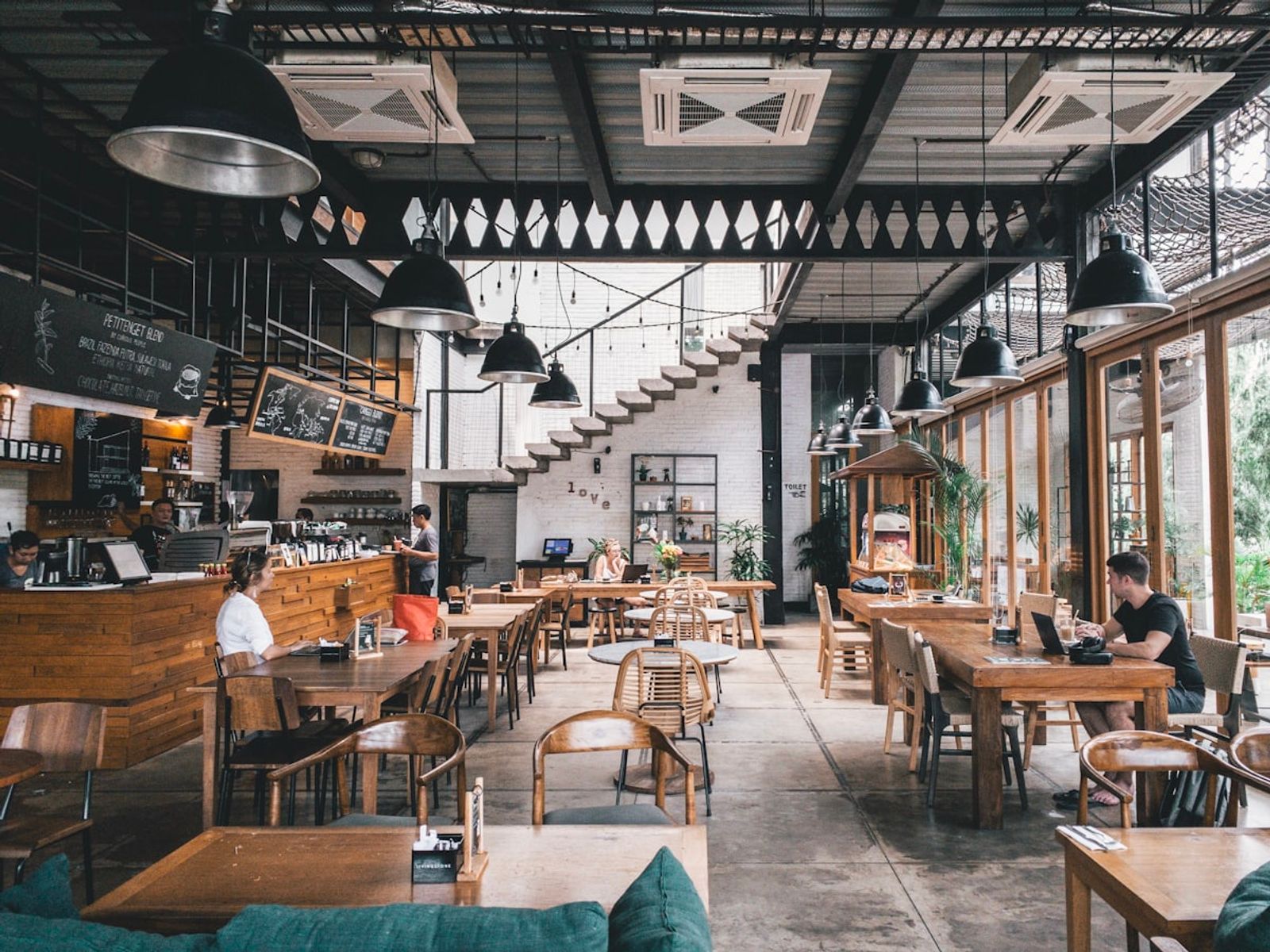
Build the skill at home first. Go to a coffee shop alone with a book and actually read it, instead of scrolling your phone. Eat dinner alone at a restaurant you like. Take a weekend day with no plans and no commitments and see what you naturally move toward.
These experiments feel uncomfortable at first, and that discomfort is information. It tells you what you have been using social interaction to avoid. Boredom. Uncertainty. The slightly itchy feeling of not being needed or noticed. None of those feelings will hurt you, and getting familiar with them at home means you will not be ambushed by them in Florence.
Learn the Difference Between Solitude and Loneliness
Loneliness is wanting connection and not having it. Solitude is choosing to be with yourself. They can look the same from the outside, but they feel completely different from the inside.
Most people conflate them, and that conflation is what makes solo travel sound scary. The fear is not really of being alone. It is of feeling lonely and having no one to pull you out of it. That fear is reasonable. Loneliness on the road is real, and it happens even to experienced solo travelers.
But it is also temporary. Every solo traveler I know has had a moment, usually somewhere around day three or four of a trip, where the loneliness lifts and something else settles in. A kind of quiet confidence. A sense of being capable and present and enough. That feeling does not come from anywhere outside you. It comes from demonstrating to yourself, repeatedly, that you can handle your own company.
The way to tell the difference in the moment: loneliness pulls you toward distraction. Solitude feels settled, even when it is quiet.
Give Yourself Permission to Have Preferences
One of the underrated joys of solo travel is that you get to be entirely selfish about what you do. Not selfishly selfish. Preference-honoring selfish. The kind where you walk past a highly recommended cathedral because you want to sit in the square with an espresso instead, and no one is disappointed.
Most of us spend so much time navigating our preferences around other people’s preferences that we lose track of what we actually like. Solo travel strips that away. You eat when you are hungry, stop when you are tired, and spend three hours in the textile section of a market because it genuinely delights you.
Leaning into your own preferences is how you start to enjoy your own company. You are not alone with a person you find boring. You are alone with a person who likes exactly the things you like. That reframe takes practice, but it is real.
Build a Few Rituals That Are Just for You
I have a morning ritual on every solo trip: coffee at a local place, a slow walk without a destination, and fifteen minutes of writing in my notebook before I look at a map or a to-do list. This ritual is not productive. It is not instagrammable. It is just mine.
Rituals matter because they give your solitude structure. When you have a practice that you know grounds you, the unstructured hours feel less like a void and more like space. The writing does not have to be good. The walk does not have to be purposeful. The point is that you are actively spending time with yourself rather than waiting for the alone time to be over.
On my first solo trip, I had no rituals. I filled every moment because I was afraid of what I would find in the quiet. By my third trip, the quiet was the thing I was most looking forward to.
Handle the Social Moments With Confidence
Enjoying your own company does not mean becoming a hermit who refuses conversation. It means that your baseline is settled enough that you can engage with other people from a place of genuine interest rather than desperation for connection.
Some of the best conversations I have had happened when I was eating alone at a bar, traveling alone on a train, or sitting by myself at a hostel common room. Those conversations happened because I was open and present, not because I needed them.
The practical skill: when you are eating alone or waiting somewhere alone, give yourself full permission to make eye contact, smile at people, and say hello. You do not have to perform sociability. You just have to not wall yourself off. Most people are genuinely curious about women who travel alone, and not in an intrusive way. They find it interesting.
When the conversation does not happen, that is fine too. The dinner was still good.
What Changes After You Learn to Enjoy Your Own Company
The women I know who have built this skill describe a similar shift. They stop needing their trips to be perfect. They stop needing their experiences to be validated by photos or messages home. They stop treating every solo moment as a problem to be solved with a podcast or a call.
What replaces those things is not nothing. It is presence. The ability to be inside an experience instead of narrating it from the outside. The capacity to sit with something beautiful and let it be beautiful, without immediately reaching to share it.
That capacity does not disappear when you travel with other people. It comes back with you. It is one of the less-discussed gifts of solo travel, and it is available to anyone who is willing to spend a little time building it.
Frequently Asked Questions
Is it normal to struggle with enjoying your own company?
Yes. Most adults have spent their whole lives with some form of social structure filling their time. Learning to be genuinely comfortable alone takes practice. The struggle is part of the process, not evidence that something is wrong with you.
How long does it take to enjoy solo travel?
For most people, the first two to four days of a solo trip are the hardest. After that, something usually shifts. Give yourself time to adjust before deciding you hate it.
What do you do when you feel lonely on a solo trip?
Acknowledge it instead of fighting it. Get yourself somewhere with ambient human activity: a coffee shop, a market, a hostel common room. Write about it. Call someone at home if you need to. Know that it will pass.
Does solo travel get easier?
Yes. Each trip builds a kind of evidence base in your mind that you are capable of handling this. By your third or fourth solo trip, the skills you have built become automatic.
If you are considering your first solo trip and wondering whether you are the kind of person who can do it, the answer is almost certainly yes. The skill of enjoying your own company is one you build by doing. The best place to start is planning a first solo trip that gives you room to adjust rather than demanding confidence you have not built yet.