Travel Apps: What to Use for Every Trip
Find the best travel apps for flights, bookings, itineraries, transit, and travel days, with honest trade-offs and clear recommendations.
Verdict: Tokyo is one of the safest major cities in the world for solo female travelers — genuinely safer at night than most European capitals. The one real issue to be aware of is train groping during rush hour. Use the women-only cars, get home before last train or take a metered taxi, and you will spend most of your trip wondering what you were worried about.
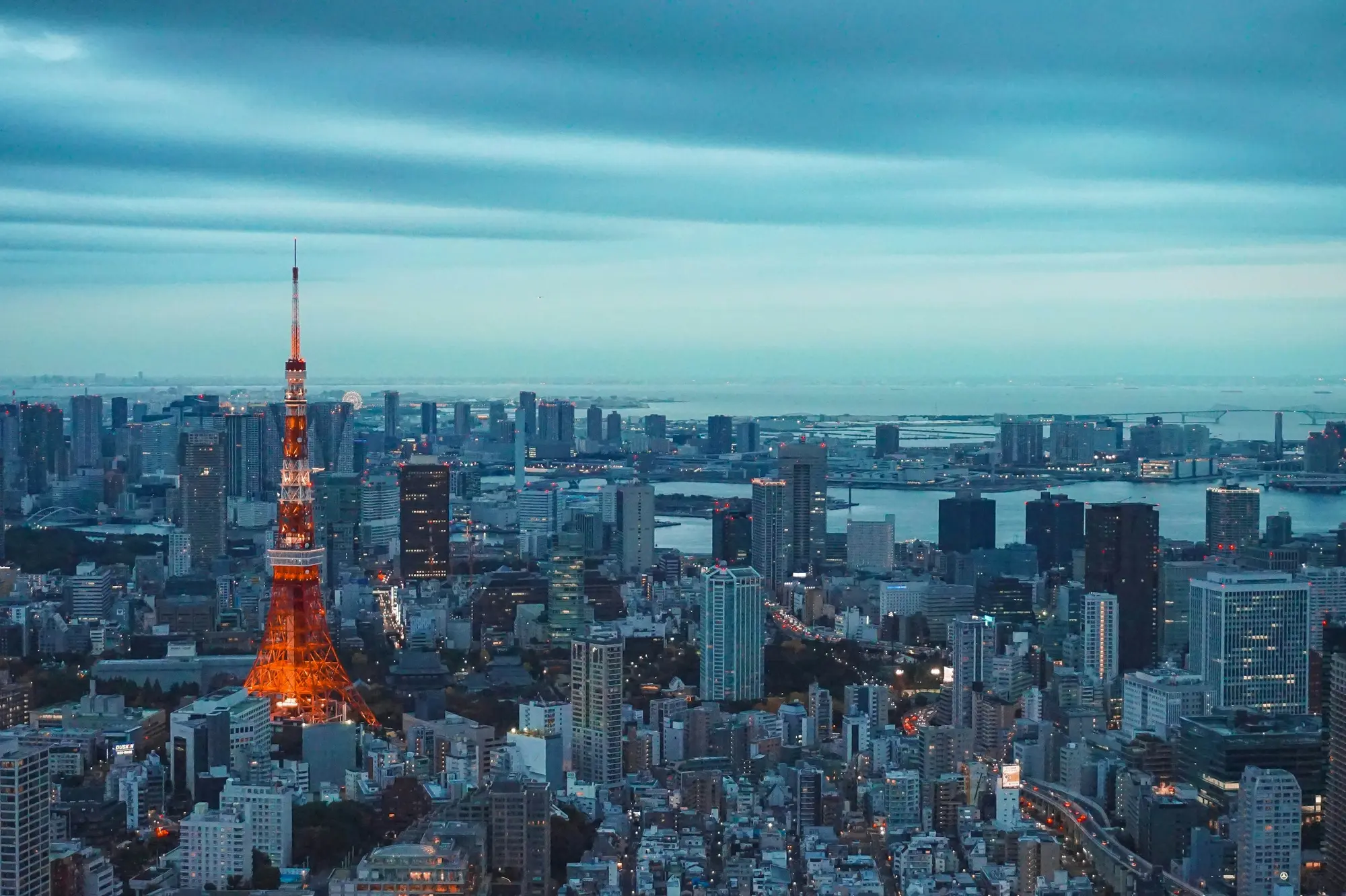
I built up Tokyo as a place I needed to be brave for, and then I arrived and the main thing I felt was embarrassed about how worried I had been. Not that there is nothing to know — there is — but Tokyo’s safety baseline for solo women is genuinely different from most places I had traveled. The streets are intensely lit. Nobody follows you. The trains run like clockwork and the convenience stores are open at three in the morning and feel like a public service. I have been more anxious walking alone in London.
That said, there are specific things worth knowing before you go, and I am going to give them to you straight.
All safety information here was checked against current advisories and sourced data as of August 2026. Safety situations change — check the US State Department and your own government’s travel advisory before you travel.
Japan is rated Level 1 by the US State Department — exercise normal precautions. That is the lowest possible advisory, the same level as Switzerland and Iceland. Tokyo scores around 81 out of 100 on the World Travel Index. Solo female travel sources consistently rank it among the top five cities globally for women traveling alone.
The safety feeling on the ground matches this. Verbal harassment is rare — significantly rarer than in European cities. No one is following you down the street. Men do not shout at you from doorways. For the first few days I kept noticing the absence of something I had been unconsciously managing for years on every other trip, and it took me a while to realize what it was: the background noise of being tracked.
Tokyo is not perfect. There is one real issue.
Groping on trains — chikan in Japanese — is a documented problem. Japanese government data shows roughly 800 arrests per year in Tokyo and around 2,000 nationally. A 2024 government survey found one in ten young Japanese people (predominantly women) had been groped in public, and 80 percent did not report it (CNN, 2024). France 24 covered the ongoing efforts to address it in March 2025 — it is a known, unsolved issue.
The important nuance for tourists: chikan disproportionately targets Japanese teenage girls and regular commuters on crowded rush-hour trains. Foreign tourists are less often the target. But less often is not never.
What to do: use the women-only train cars. They exist on most major Tokyo lines and they work.
Women-only cars operate:
You are entitled to use these cars as a tourist. You do not need to ask permission. If someone gets in who should not be there, they will generally leave when they notice.
Outside the designated hours, anyone can use the car. During off-peak travel — midday, weekends, late evenings — the women-only designation typically does not apply, and the cars are simply regular cars. The risk during these windows is much lower anyway; groping is a rush-hour crowd phenomenon.
If something happens: the emergency strip in the train car calls the driver. Shout clearly. Japanese bystanders are more likely to intervene than their reputation suggests, particularly in recent years as awareness has increased.
Safe. Extremely well-lit, crowded, full of restaurants and people at all hours. Shibuya Crossing at night is one of the more alive public spaces in the world. Nakameguro along the canal is calm and pleasant even late. I walked both regularly and felt nothing but comfortable.
Quieter, artsy, low-lit in a charming way. Feels like a small town dropped inside Tokyo. Safe, full of bars and live music venues. The streets get genuinely quiet after about midnight but not in a threatening way.
More traditional, calmer at night. The area around Senso-ji quiets down significantly after dark — most tourists have moved on and the streets are yours. Worth walking the temple district in the evening before it is closed.
The red-light district. Fine during the day and early evening — busy, touristy, manageable. Gets rowdier late at night. Stick to the main streets, avoid the alleys on the east side after midnight. You are not going to be in danger if you wander in there, but you may be approached by hosts (men hired by bars to recruit customers) and it can feel pushy and chaotic.
The neighborhood with the highest concentration of cautions in every solo female travel guide, and the cautions are fair. The bars in Roppongi are expensive, touts outside them can be aggressive (pushy, persistent, but not violent), and drink spiking has been documented. This is not a place to leave your drink unattended or let a stranger handle your glass. The actual streets are safe; the nightlife venues are where you need the usual vigilance you would apply anywhere with heavy tourist bar culture.
Worth extra awareness after midnight. The area around Ueno Park and the station area quiet down in a way that feels different from other neighborhoods. Fine during the day and early evening.
Tokyo trains stop running around midnight to 12:30 AM depending on the line. After last train, your options are:
Metered taxis — reliable, safe, and honest. Tokyo taxi drivers are professional and metered; the fare is what it says on the meter. You can hail them on most main streets. Flag them the same way you would anywhere else; the light on the passenger side indicates availability.
The GO app — Japan’s main taxi-hailing app. Works well in Tokyo. More straightforward than Uber for this city.
Uber — exists in Tokyo but more limited availability than in Western cities. Works for some areas.
Walking — fine on well-lit main streets in most neighborhoods. I would not walk from Roppongi to Shibuya at 2 AM alone, but I walked in Shimokitazawa and Shibuya at 1 AM without concern. The 24-hour convenience stores (7-Eleven, FamilyMart, Lawson) are everywhere and are a safe refuge if something feels off.
The plan I used: figure out the last train time on my route, plan to be on it, and have the GO app downloaded for the one or two nights that did not go according to plan.
Several hotel chains in Tokyo offer women-only floors: Richmond Hotels and Dormy Inn are the most commonly cited. These floors typically include extra security (women-only elevator access) and amenities like hair dryers and skincare basics already stocked. If this matters to you, filter for it when booking — not all properties offer it, and availability varies by location.
Good base neighborhoods for solo female stays:
Tokyo does not require a different kind of bravery than regular travel. It requires the same sensible habits you bring anywhere — knowing where you are going after midnight, watching your drink in nightlife venues, using the systems that exist for your safety (the women-only cars). What it does not require is the underlying vigilance that solo women carry in so many other cities as a baseline cost of moving through the world.
I spent two weeks there and was afraid of almost nothing. The thing I regret is the days I planned cautiously because I had talked myself into more risk than existed. Go further into the city. Take the late train. Walk the neighborhoods you think might be too much. Tokyo is genuinely one of the safest places I have traveled.
Check current advisories before you book. Come back and tell me how it was.
Find the best travel apps for flights, bookings, itineraries, transit, and travel days, with honest trade-offs and clear recommendations.
Use these travel planning tips to set a realistic budget, choose the right pace, book smarter, and build an itinerary you will enjoy.
Hostel vs hotel for solo female travelers: real price figures, safety comparison, and Maren's honest recommendation including the private hostel room option.