Travel Apps: What to Use for Every Trip
Find the best travel apps for flights, bookings, itineraries, transit, and travel days, with honest trade-offs and clear recommendations.
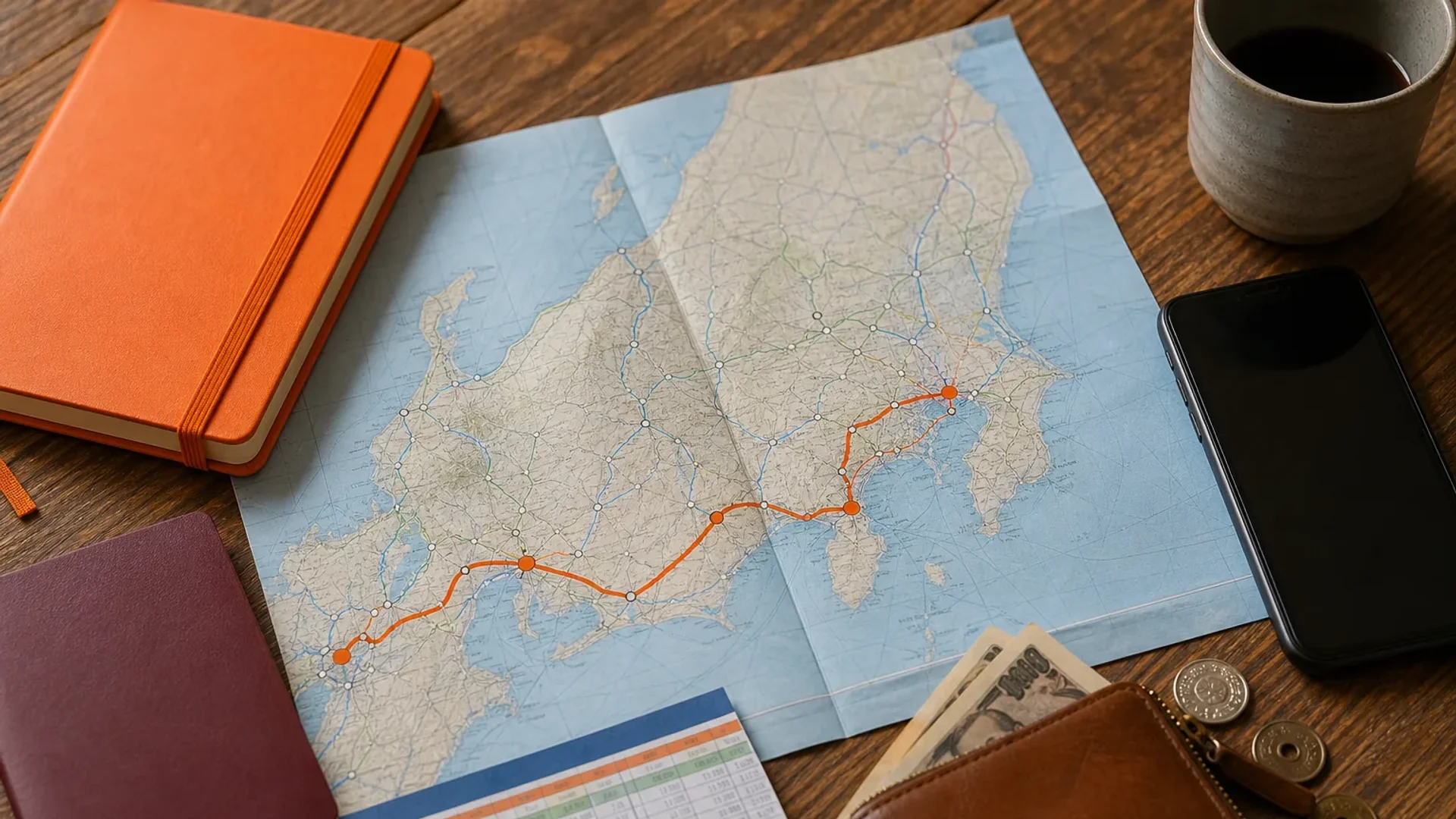
A ten-day Japan trip works best when you stop treating every city as a separate mission. Keep Tokyo to three days, use Hakone as a break, spend four days around Kyoto, then finish in Osaka near your departure airport. We built this route for travelers who want famous sights without spending half the trip in transit.
A japan itinerary 10 days long needs an open-jaw flight plan if you want to avoid backtracking. Fly into Tokyo, then leave from Kansai International Airport near Osaka. That choice turns your final train ride into a short airport transfer instead of a return trip across the country.
We recommend this rough split:
| Days | Base | What the block is for | Travel pressure |
|---|---|---|---|
| 1 to 3 | Tokyo | Neighborhoods, food, and one slower city day | Low after arrival |
| 4 | Hakone | Onsen, Lake Ashi, and mountain air | Moderate |
| 5 to 8 | Kyoto | Temples, Gion, Arashiyama, and Nara | Moderate |
| 9 to 10 | Osaka | Food, city sights, and departure | Low |
That split gives you a clean north-to-south line. A seven-day version can work, but it feels rushed once you add Kyoto day trips. Ten days gives you room to sit in a temple garden, miss one train, or sleep past 7:30 without wrecking the plan.
Book the international flights first. Then book hotels near major stations, not simply near a famous attraction. Shinjuku works well in Tokyo. Kyoto Station makes day trips easy. In Osaka, Namba helps with Dotonbori and the Nankai train to the airport.
For flight timing, check the right window for booking international flights before locking dates. Set a price alert before you buy. A small shift in departure day can matter more than cutting one temple from your plan.
Tokyo’s airport transfer sets the tone. From Tokyo’s main airport, a direct airport train reaches Shinagawa in about 13 minutes for around ¥300. From Narita, the Narita Express reaches Shinjuku in about 90 minutes. An IC card, physical or digital, helps with local trains and buses. Start with roughly ¥2,000 to ¥3,000 loaded on it.
The research behind this route puts typical daily spending between ¥2,500 and ¥7,000, or about $15 to $53, before lodging and international flights. A Tokyo day trip to Kyoto can reach ¥7,000 to ¥9,000, making it the clear cost outlier. That is why we place Kyoto after Hakone instead of using Tokyo as a base for everything.
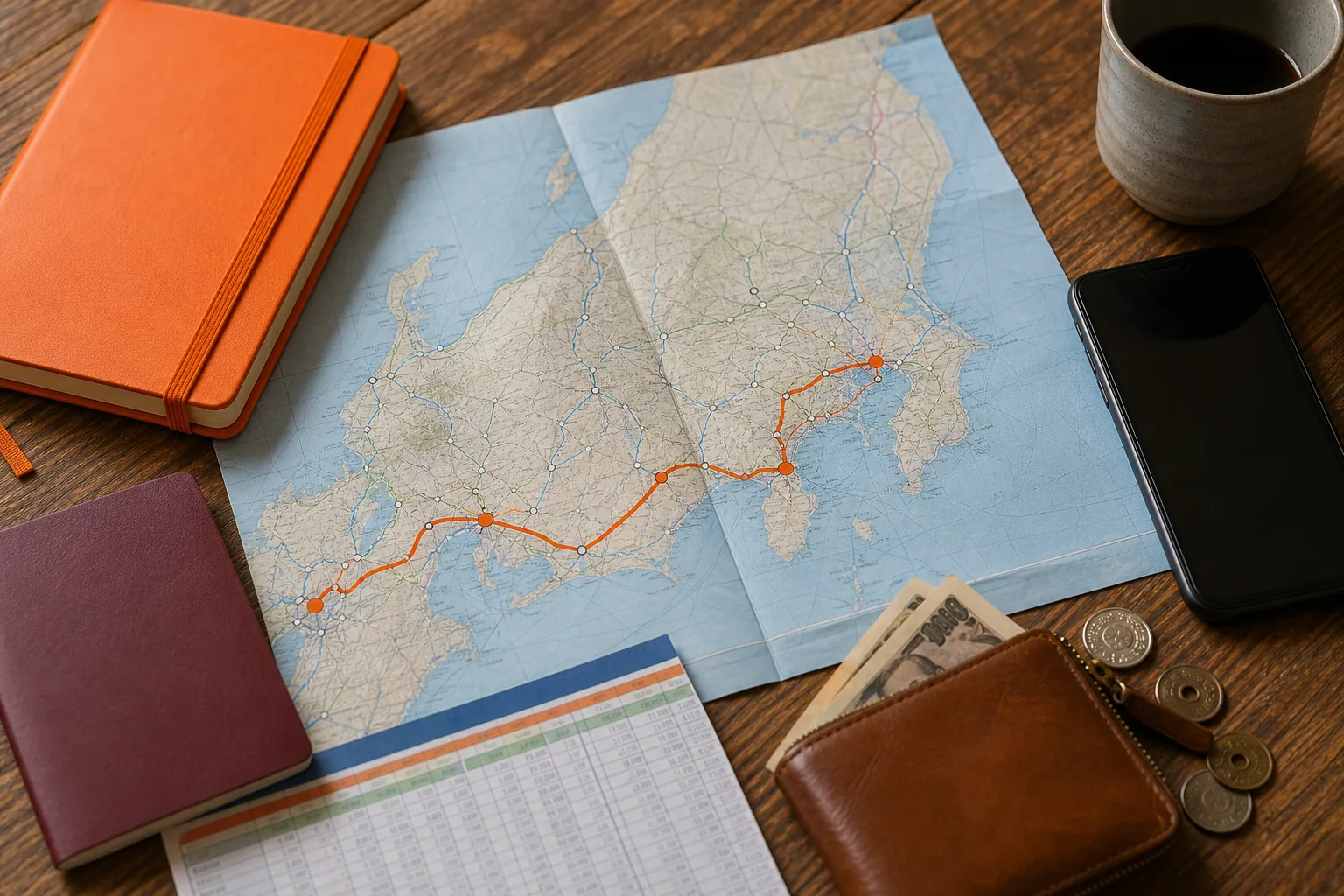
Key Takeaway: Fly into Tokyo and out of Osaka, then make each move south count.
Before you leave, check the latest details for your rail route. The Shinkansen is Japan’s high-speed rail system, but a bullet train ticket does not replace local subway fares. We usually buy long-distance tickets for the exact travel day and use an IC card for short rides.
For this japan itinerary 10 days plan, Tokyo works better by area than by attraction count. Put each day on one side of the city, then let dinner happen nearby.
Do not book a major sight on arrival day. Get to your hotel, shower, and eat within walking distance. If you stay in Shinjuku, walk the east exit area after dark. The Tokyo Metropolitan Government Building observation deck is a useful free option when you still have energy.
Golden Gai can work for one drink, but treat it as a quick look rather than a full-night plan. Its tiny bars often have varying charges, so won’t always tell you how tiring jet lag feels in a city this loud.
Reach Sensoji before 9 am. You’ll see the temple grounds before the worst crowds fill Nakamise-dori. Walk through the temple gate, enter the main hall, then spend time in the back streets of Asakusa.
Walk west to Kappabashi-dori if kitchen goods or plastic food models interest you. Small souvenir models cost around ¥800 to ¥1,500 in the source material. After lunch, continue to Ueno Park and give the Tokyo National Museum about 90 minutes. Entry pricing varies.
End in Akihabara. Even if anime and games aren’t your thing, the district is worth a short look for its visual scale. Dinner near the station can run around ¥2,000 to ¥3,000 per person at an izakaya. Use local trains rather than taxis. Tokyo transport often lands around $8 to $15 per day when you keep the route tight.
Start at Meiji Shrine near sunrise. The forest path gives you a quiet hour before the city wakes up. Then walk toward Takeshita Street, where the mood changes fast. If the crowds feel like too much, leave the main lane and spend your time around Ura-Harajuku and Cat Street.
Continue toward Omotesando, then finish at Shibuya. See the scramble crossing at street level first. Observation decks can wait unless you care about the view. Shibuya Sky costs around ¥2,000 and advance booking is recommended in the source material.
We’d skip trying to fit Kamakura or Nikko into this day. Three Tokyo days already give you a lot of walking. Before choosing districts, compare the feel of each stop so the day stays in one part of the city.
Keep the evening local. A ramen meal can vary by venue, while a sit-down lunch in Omotesando may run ¥1,500 to ¥2,500. The point is not to chase a perfect Tokyo day. It is to finish with enough energy for tomorrow’s mountain escape.
Hakone gives this ten-day Japan route a needed pause. It sits about 90 minutes from Shinjuku by express train, yet the pace feels far removed from Tokyo.
Take the Odakyu Romancecar from Shinjuku to Hakone-Yumoto. The fare and limited express surcharge vary, so check current pricing. Weekend seats can fill, so reserve them before the morning of travel.
We prefer one night in Hakone over a rushed day trip. A mid-range ryokan with two meals can be a major spend, but it buys the part many day visitors miss: a long bath before dinner and a quiet morning after the crowds leave.
If the ryokan price does not fit, make Hakone a day trip. Begin early and follow the loop through the mountain railway, cable car, ropeway, Lake Ashi boat, and bus. The full loop has several transport changes, so do not add a long museum visit unless you have checked the timetable.
Prioritize an outdoor art attraction, a volcanic valley, and Lake Ashi. Admission and food prices vary. The ropeway can close because of volcanic activity, so check its status before leaving Tokyo. A replacement bus may run when that section is closed.
Mount Fuji views depend on weather. Don’t build the whole day around one photo. Hakone still works when clouds cover the peak because the hot springs and volcanic valley carry the day.
Use the Japanese onsen custom of washing before entering a shared bath. Tattoos may also affect access at some baths, so check the rules of your chosen property before arrival. Pack light for this one-night move. Your larger bag can often be sent ahead to Kyoto through a luggage service, while you carry one small night bag.
Kyoto is where a japan itinerary 10 days plan can go wrong. The sights look close on a map, but buses and crowds can eat your morning. Pick one area per half day, then stop adding names.
Leave early for Fushimi Inari. The lower torii gates become crowded fast, while the upper paths thin out. You don’t need to climb every step. Walk until the crowd drops, then return by the same route.
Spend the afternoon around Kiyomizu-dera and Southern Higashiyama. We’d use walking between nearby sights rather than crossing town for a second landmark. Kyoto’s temples reward a slower pace, especially when you stop treating each gate as a photo checkpoint.
Stay near Gion if you value evening walks. Gion appears often in itinerary research because it puts you near Southern Higashiyama, though tourist demand can raise room rates. Kyoto Station is the more efficient base for Nara and Osaka trains.
Take a local train to Saga-Arashiyama. Go early to the bamboo grove, then spend more time at Tenryu-ji. The grove is short, crowded, and easy to overrate if you expect a long forest walk. Tenryu-ji gives the morning more shape.
Stay in western Kyoto for lunch and a quiet walk. Do not add Fushimi Inari after Arashiyama. The cross-city trip looks manageable on a phone screen and feels silly in real life.
Use the JR Nara Line or another train service from Kyoto. Nara works as a full day because the main sights are spread across a walkable park area. Leave Kyoto early, then return before dinner if you want a calm evening in Gion.
Carry small cash for temple areas and local shops. Japan accepts cards in many places, but smaller food spots may still prefer cash. Keep your train route simple. The daily transport average in the research was about ¥637, but premium tickets can push a single day much higher.
Use your final Kyoto morning for one nearby choice. A nearby Kyoto landmark, the Nishiki Market area, or a second walk through Gion can work. Cut the list down to a few paid and free stops so the morning stays relaxed.
Take the train to Osaka after lunch. Kyoto and Osaka are close, but luggage makes the transfer feel longer than the timetable suggests. Check in, then walk Dotonbori after dark. Stay near Namba if food and airport access matter most. Choose Kyoto Station instead if you plan several early day trips.
Pro Tip: Put your least flexible booking on the day with the fewest transfers. A reserved meal or ticket is easier to keep when the surrounding plan stays local.
Osaka should feel like the exhale at the end of a japan itinerary 10 days trip. Give it one full day, then keep departure day light.
Start with Osaka Castle if you want the city’s main historic sight. Then choose either Umeda or Tennoji. Trying to cover both with a full museum visit can turn the day into station hopping.
Use Dotonbori for the evening, not the whole afternoon. Walk beside the canal, look at the signs, then eat somewhere with a short queue. Takoyaki is an easy choice for a quick meal. Osaka’s average day cost was close to ¥2,800 to ¥3,800 in the supplied dataset, far below the Tokyo to Kyoto day-trip estimate.
Osaka day passes only make sense when you ride often. One source notes that some city passes pay off after four or five rides, but coverage differs by line and ticket. Check the current terms before buying. A cheap pass is still wasteful if your day has two train rides and a lot of walking.
Keep the final morning close to Namba, Umeda, or your chosen station. Buy food gifts only after you have checked your luggage space. We’d skip a distant attraction on departure day. One delayed train can turn a fun last morning into a sprint through Kansai International Airport.
From Namba, direct airport trains reach Kansai Airport in under an hour. From Osaka Station or Shin-Osaka, JR services reach the airport area in roughly 50 to 75 minutes, depending on the train.
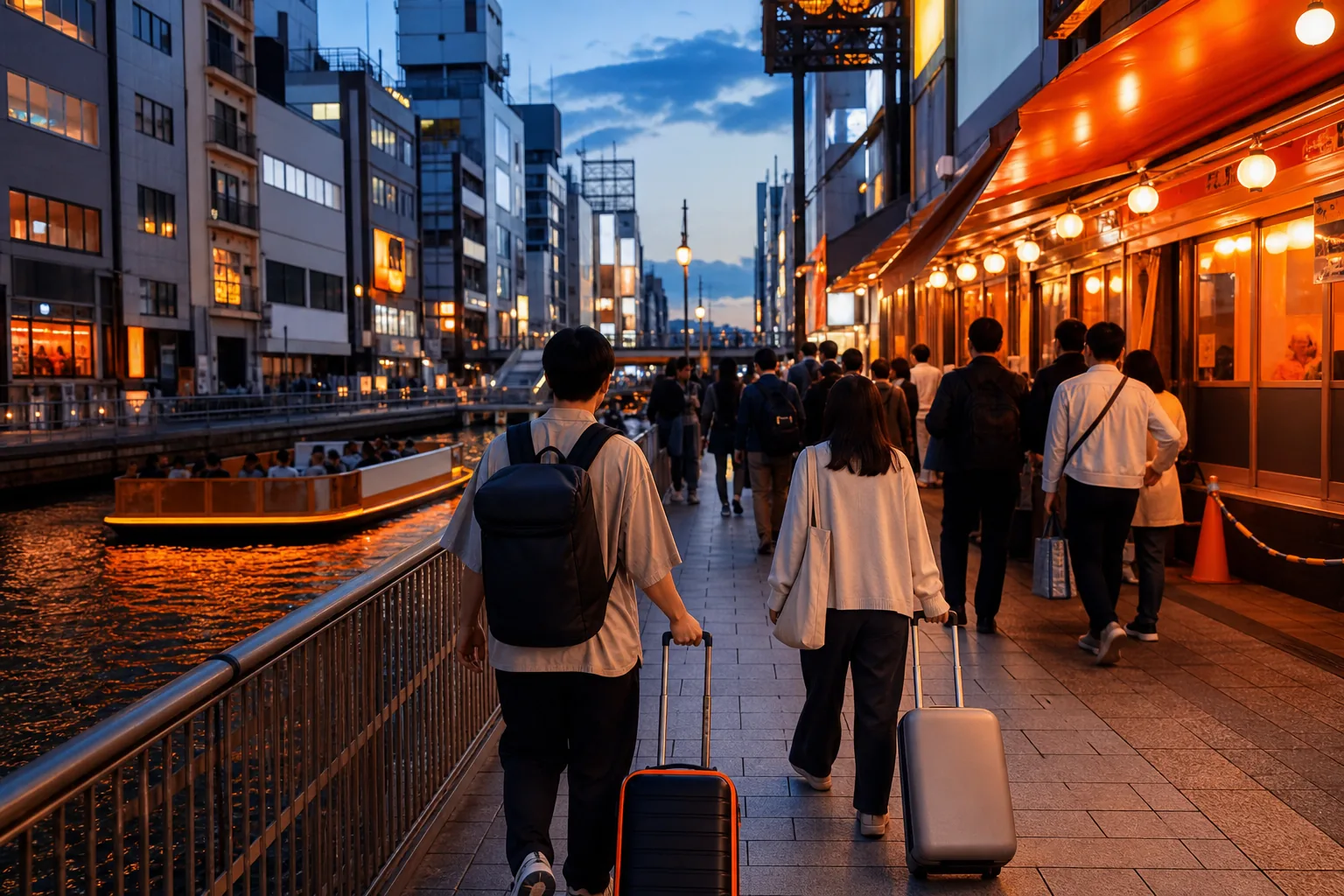
Leave more time than the rail journey alone suggests. You need the walk to the platform, ticket checks, airport transfers, and time to find your terminal. We’d rather sit at the airport than spend the last hour watching the clock.
The approach is simple here: plan the expensive moves first, then let the cheap local days stay flexible. That keeps the trip from becoming a spreadsheet with temples attached.
Ten days is enough for Tokyo, Hakone, Kyoto, Nara, and Osaka, but it is not enough for the whole country. This route gives first-time visitors a clear mix of city life, temples, hot springs, and food. Skip Hiroshima or another long day trip if you want more rest.
A 10-day Japan itinerary can vary widely, but the supplied daily estimates range from ¥2,500 to ¥7,000 before lodging and international flights. The Tokyo to Kyoto day trip rises to about ¥7,000 to ¥9,000. Hotels, ryokan stays, and paid attractions will shape your real total.
You may not need a nationwide JR Pass for Tokyo, Hakone, Kyoto, Nara, and Osaka. Point-to-point tickets often make more sense when the route has only one major Shinkansen journey. Recheck the math if you add Hiroshima or several long rail trips.
Stay near Kyoto Station for easy day trips, or choose Gion for evening walks and access to Southern Higashiyama. Gion appears often in itinerary research, but it can bring more crowds and higher demand. Pick the area that matches your daily routes instead of chasing the most famous name.
Skip a Tokyo day trip to Kyoto, because the cost and lost time work against the route. In Kyoto, skip crossing the city for one extra famous sight. We’d also skip a full Hakone loop if the ropeway is closed and the weather hides Mount Fuji.
Keep three Tokyo days, one Hakone night, four Kyoto days, and a relaxed Osaka finish. Cut long cross-city detours before you cut the places themselves. Book the open-jaw flights, the Hakone stay, and the first long train leg first, then set your flight alert and turn the route into dates.
Find the best travel apps for flights, bookings, itineraries, transit, and travel days, with honest trade-offs and clear recommendations.
Use these travel planning tips to set a realistic budget, choose the right pace, book smarter, and build an itinerary you will enjoy.
Hostel vs hotel for solo female travelers: real price figures, safety comparison, and Maren's honest recommendation including the private hostel room option.