Five days is enough to see London’s major sights without sprinting between them. Most headline stops are free, while the two priced attractions in our plan cost £37 for the Tower of London and £20 for Kensington Palace. We keep the route tight, leave room for weather, and flag what we’d skip.
Use this London itinerary 5 days plan as a base, then trim it to match your energy.
Step 1: Build Your First Two Days Around Central London
A London itinerary 5 days long works better when the first two days stay near the Thames and central London. You’ll walk more, switch trains less, and get a quick sense of the city.
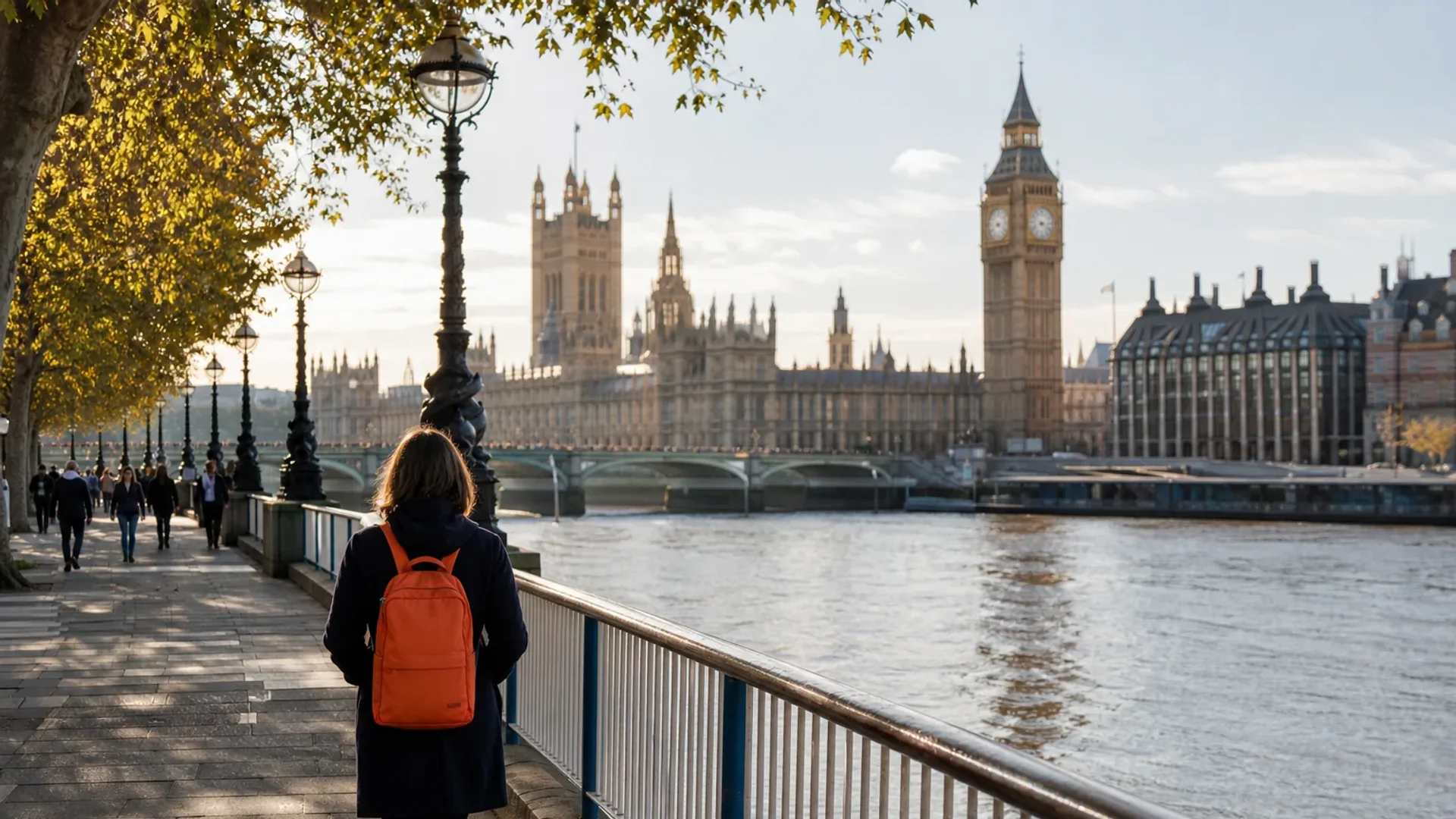
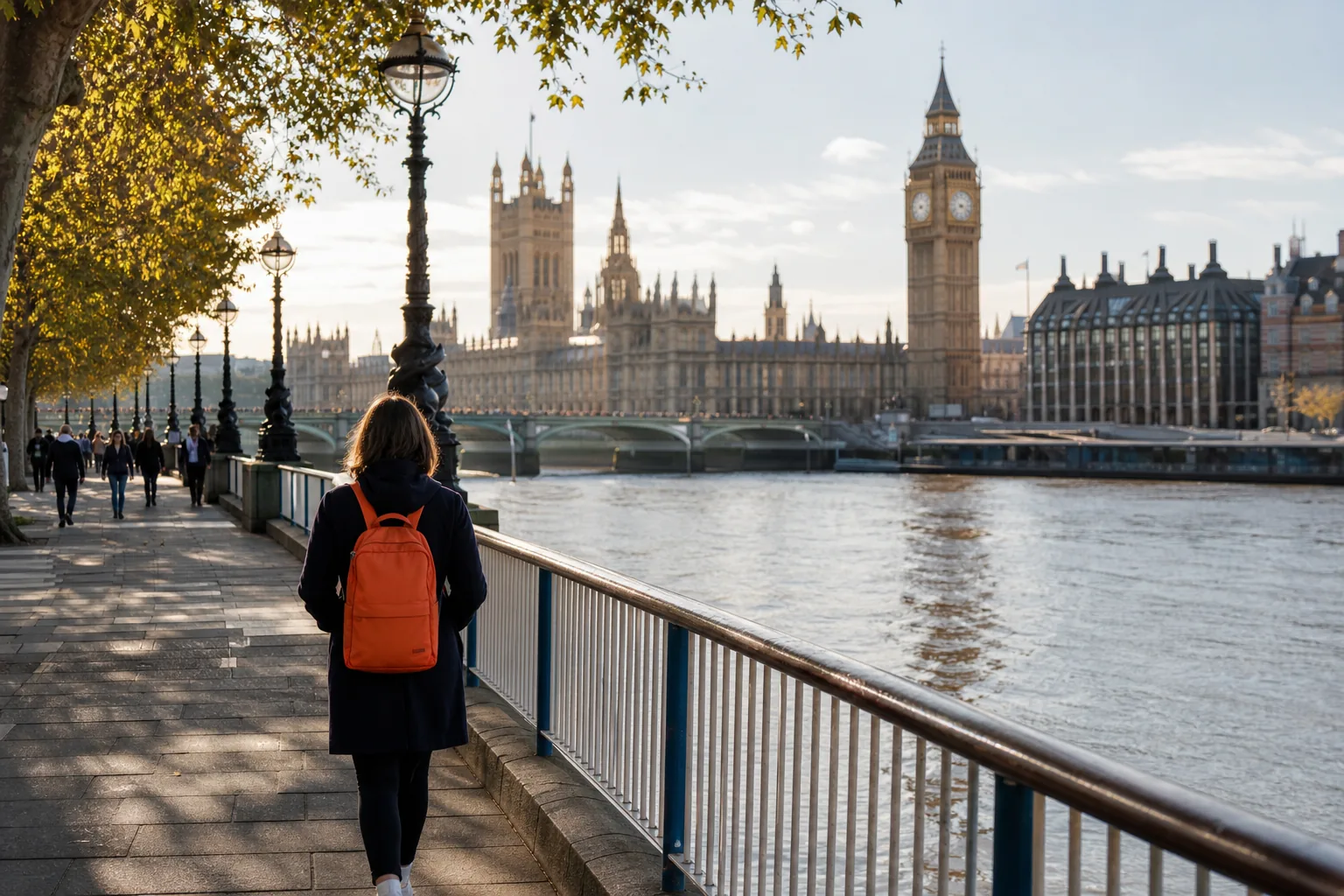
Start in Westminster. See Big Ben from Parliament Square, then visit Westminster Abbey if its history matters to you. Allow about 90 minutes inside. After that, cross Westminster Bridge and follow the riverside promenade along the South Bank.
The South Bank gives you a clean first-day route. You can stop at the London Eye, pause at a riverside spot, and keep walking toward Millennium Bridge. The London Eye is worth it if you want a wide city view and don’t mind a tourist-heavy ride. We’d skip it if the weather is poor or the queue is long.
On day two, head east toward the Tower of London. The city’s long history helps explain why this compact route feels so layered. Roman London, Westminster, the Thames, and the medieval Tower all sit within reach of one another.
Book it only if the Crown Jewels and fortress history appeal to you. Otherwise, walk around Tower Bridge and use the money for a longer meal.
By now you should have seen the city’s main river corridor without burning half a day on transit. Keep the evening light. A first-night pub stop sounds fun until jet lag wins.
Step 2: Use Day Three for a Museum and West London Route
For day three of a London itinerary 5 days plan, move west only after you’ve covered the river. This keeps the museum day focused instead of turning it into a cross-city trek.
Choose one major museum. The National Gallery sits beside Trafalgar Square and is free to enter. The British Museum and the Natural History Museum also deserve time, but trying to fit all three into one day is a mistake. Pick the collection you care about most.
Start early. Spend two focused hours inside, then leave before your attention fades. Museums are easier when you choose a theme in advance. You might seek Dutch paintings, Roman objects, or natural history galleries. Wandering without a limit can swallow the whole afternoon.
After lunch, use the Tube or a bus to reach Kensington. Kensington Palace is the other priced attraction in the plan at £20. We’d pay for it if royal history is a major reason you came. If not, spend the afternoon in the surrounding park and keep the ticket money.
West London rewards a slower pace. Kensington gives you gardens, broad streets, and a change from the dense central route. That contrast matters after two days of landmarks. General guidance on getting around London includes walking, cycling, buses, the Underground, and river transport, so you don’t need a private car for this plan.
We recommend setting one museum goal and one neighborhood goal. That leaves room for a long coffee, a wrong turn, or rain. The guides won’t always tell you this, but a museum day needs empty space.
If season affects your choice of parks and outdoor walks, compare weather, crowd levels, and price trade-offs in our guide to when to visit Paris and London. It can help you decide whether the same route works for your dates.
Step 3: Spend Day Four on a Neighborhood-and-Market Itinerary
Day four is where this London itinerary 5 days plan stops feeling like a checklist. Pick one neighborhood route and stay there long enough to notice how the city changes.
Notting Hill works well for a west London day. Walk the residential streets, pause in a café, and keep the schedule loose. Don’t treat the area as a photo stop only. The point is to give yourself time between major sights.
If you want a market morning, use a local Sunday flower market as the anchor. It draws crowds into a narrow East London street. Go early, since the street becomes harder to move through later. The market is a neighborhood visit first, not a quick shopping errand.
From there, you can shape the rest of the day around Hackney or Victoria Park. We’d choose one, not both, unless you enjoy long transit days. London looks compact on a map, but the Tube network can trick you into adding too much.
Food needs its own budget line here. Public itineraries often list breakfast, brunch, or a market snack without giving a full cost. That creates the trip’s quiet budget gap. Entry fees may be modest, but five days of meals can still move the total far more than one museum ticket.
Try one planned meal and leave the other meal open. That gives you a reason to stop when a place looks good instead of dragging yourself across town for a booking.
We use the same neighborhood rule in our Florence itinerary planning guide. One base area usually beats a long list of disconnected stops. By now you should have one market or neighborhood day that feels different from central London.
Step 4: Finish With a Flexible Day Five and One Worthwhile Excursion
The fifth day of a London itinerary 5 days plan should stay flexible. Use it for the sight you missed, a repeat visit, or one excursion beyond central London.
First, check your list from the first four days. If you skipped Westminster Abbey because of a delayed arrival, put it here. If your museum day fell apart in the rain, return to the collection you wanted to see. A repeat stop is often better than adding a new district just to claim it.
For an excursion, choose one guided day trip from London that matches your interests. Options may include historic sites and nearby cities. Check the full route before paying. A tour that spends most of the day on a coach may not suit you after four active days.
We’d avoid stacking an excursion with a West End show unless the timing is easy. Travel back into London, find the theatre, and eat between stops. That sounds manageable on paper. It feels less smart when the first train is delayed.
A flexible day also protects your budget. The research behind this plan found six activity entries, but only two included clear prices. That means free attractions make up much of the outline, while food, optional tours, and local transport still need separate funds.
If you prefer a shorter city break later, our Rome itinerary for three days uses the same principle: group sights by area and keep one slot open for weather or fatigue. London rewards that restraint even more because its size can make every extra stop expensive in time.
By now you should have a final day with one main goal and a backup. That’s enough.
Step 5: Set the Budget, Transport, and Booking Order
Before booking this London itinerary 5 days plan, separate fixed costs from daily spending.
Next, list the costs that are easy to miss:
Breakfast, lunch, dinner, and market food.
Tube, bus, and rail trips.
Optional tours or observation rides.
Airport transport.
Small purchases at markets and museums.
Do not treat an unpriced activity as free. Treat it as unknown until you check the official page. That one habit keeps a low-entry-fee itinerary from becoming a surprise bill.
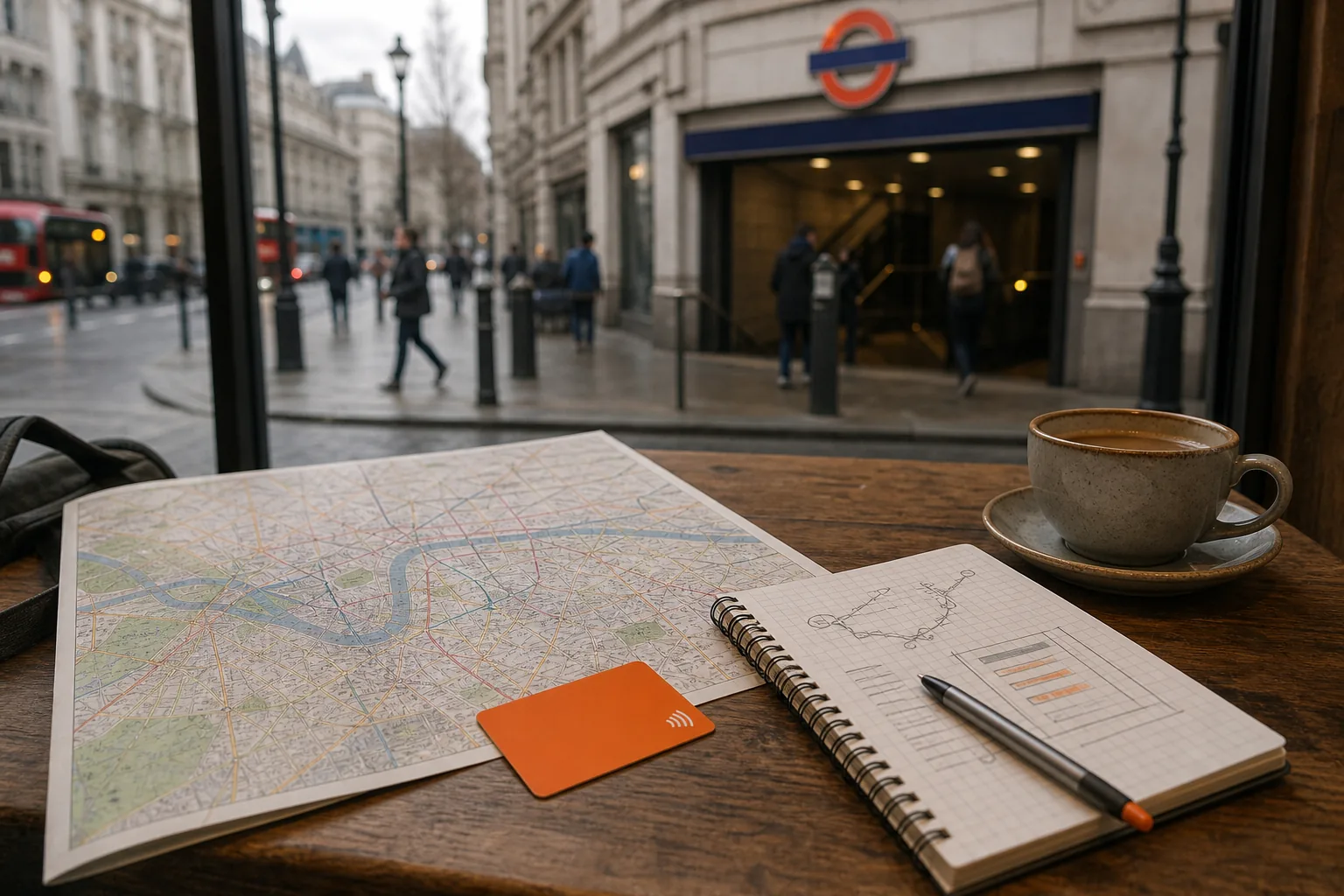
For local transport, decide how you’ll pay before your first ride. Compare current coverage and fees for available payment methods before choosing one.
We’d book the paid attractions first, then the hotel, then any show or excursion. Leave meals flexible unless a specific restaurant is the reason for the trip. This order protects the parts of the plan that have limited entry times.
Use one payment card consistently if you choose contactless travel. Keep your booking confirmations offline. Save the address of your hotel before landing. These small steps matter when your phone battery is low and you’re standing beside a crowded station.
If a booking link earns us a commission, we disclose it. The route still needs to make sense without that link.
Set your daily spending limit after you price the two paid attractions. Then keep at least one unplanned afternoon. A good itinerary should help you see London, not make you report to it.
FAQ
Is five days enough for London?
Yes, five days is enough for a first visit if you group sights by area. This London itinerary 5 days route covers Westminster, South Bank, the Tower area, Kensington, and one neighborhood day. You won’t see everything. You will see the main landmarks without turning every day into a race.
How much do five days in London cost?
The total depends on your hotel, meals, transport, and paid choices. The priced attractions in this plan are £37 for the Tower of London and £20 for Kensington Palace. Most public itineraries leave food and some transport unpriced, so build those costs separately instead of assuming the trip is mostly free.
What should I skip in London?
Skip any attraction that requires a long queue but does not interest you. In this London itinerary 5 days plan, we’d skip the London Eye during poor weather or when the wait is high. We’d also skip a second major museum on the same day. One focused visit beats three rushed ones.
Where should I stay for five days in London?
Stay near a central Tube stop if this is your first London trip. Trafalgar Square works well for access to Westminster, South Bank, museums, and West End areas. A central base costs more in some cases, but it can cut repeated travel across five days. Compare the room rate with the time saved.
Should I take a day trip outside London?
Take one day trip only if you’ve already covered the central sights you care about. A London itinerary 5 days schedule can support one excursion, but not several without losing time in transit. Check the departure point, return time, and total hours before booking. If the day feels rushed on paper, keep it in London.
Your Five-Day London Plan
We recommend this order: central London and the South Bank first, the Tower area second, a museum and Kensington third, a neighborhood or market fourth, then a flexible fifth day. Book the two paid attractions only after checking current times and prices, and leave one afternoon open. That gives you a plan with shape, without forcing every hour. Dream it. Plan it. Live it.
Solo female travel Costa Rica guide: how safe it is as of 2026, San José tips, a first route, bus vs shuttle vs car, and when a small group tour helps.
Verdict: Costa Rica is one of the easiest first solo trips in Latin America. As of November 2026 the US rates it Level 2 for crime, mostly petty theft, so plan San José nights carefully, use shuttles on long hops, and keep valuables close.
Solo female travel Iceland guide: how safe it is, the real risks (weather and roads), when to go, how to get around, and when a small group tour helps.
Verdict: Iceland is one of the easiest countries in the world for a woman to travel alone. The risk is the weather and the roads, not people, so plan around conditions, share your route, and consider a day tour for anything remote.
Scared to travel alone? Name the fear, shrink the trip, plan the first night, and let the nerves ride along. A first-timer's honest guide from Maren.
Verdict: You will not stop being afraid before you go. Shrink the trip, plan the first night, and go scared. The fear gets smaller once you are moving.