Travel Apps: What to Use for Every Trip
Find the best travel apps for flights, bookings, itineraries, transit, and travel days, with honest trade-offs and clear recommendations.
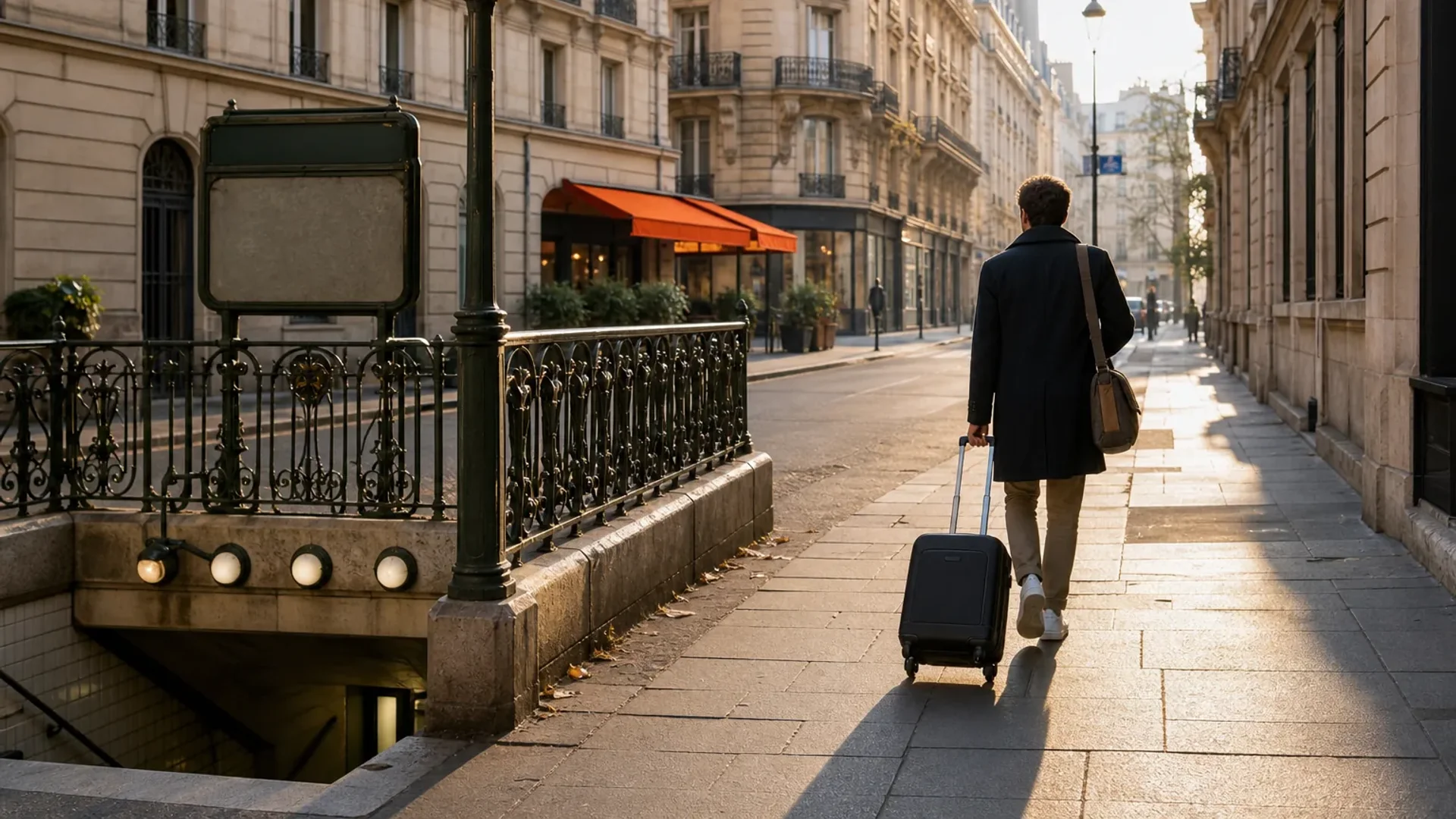
Paris in 2 days can work, but only if you stop treating the city like a checklist. We’d group sights by area, book timed entries before you arrive, and leave room for free walks along the Seine. This route covers the Louvre, Notre-Dame, Montmartre, Trocadéro, and the Eiffel Tower without pretending you can see everything.
We compared five other Paris in 2 days itineraries currently ranking online, checking each for four things: advance booking advice, neighborhood grouping, free alternatives to paid sights, and explicit skip calls. All five told readers to book timed tickets ahead, and four grouped stops by zone. Only three named a free alternative, like Trocadéro instead of the Eiffel Tower summit, and none of the five explicitly told readers which attraction to skip. That gap is exactly where a clear keep-or-skip call, like dropping Versailles or a dinner cruise, earns its place in a two-day plan.
For Paris in 2 days, stay near the center so your first and last trips don’t eat half a morning. Le Marais, Saint-Germain-des-Prés, and the Louvre area all keep you close to the main route. We’d choose the neighborhood that lets you walk to breakfast and reach a Metro station quickly.
Think in zones, not hotel addresses. Day one stays near the 1st arrondissement, Île de la Cité, and the river. Day two moves north to Montmartre before heading south and east. That geographic flow matters more than squeezing in one extra landmark.
On arrival, buy a Navigo Easy card at your first Metro station. The card costs EUR 2, before adding fares. Keep your route plan in your phone, but also save the key stops offline. Station changes can take longer than the map suggests, especially with luggage.
If you land early, don’t rush straight to a major museum with bags in tow. Drop your luggage, eat something small, then start with a walk. A boulangerie sandwich and pastry costs about EUR 5 to EUR 8, which is a much better use of lunch money than eating beside a major landmark.
We’d also set a hard arrival-day rule: no ticketed sight unless you have at least four usable hours. Travel days run late. The guides won’t always say that because a packed first afternoon looks better on a page than it feels on tired legs.
The idea is simple: group sights first, then protect time for food and walking.
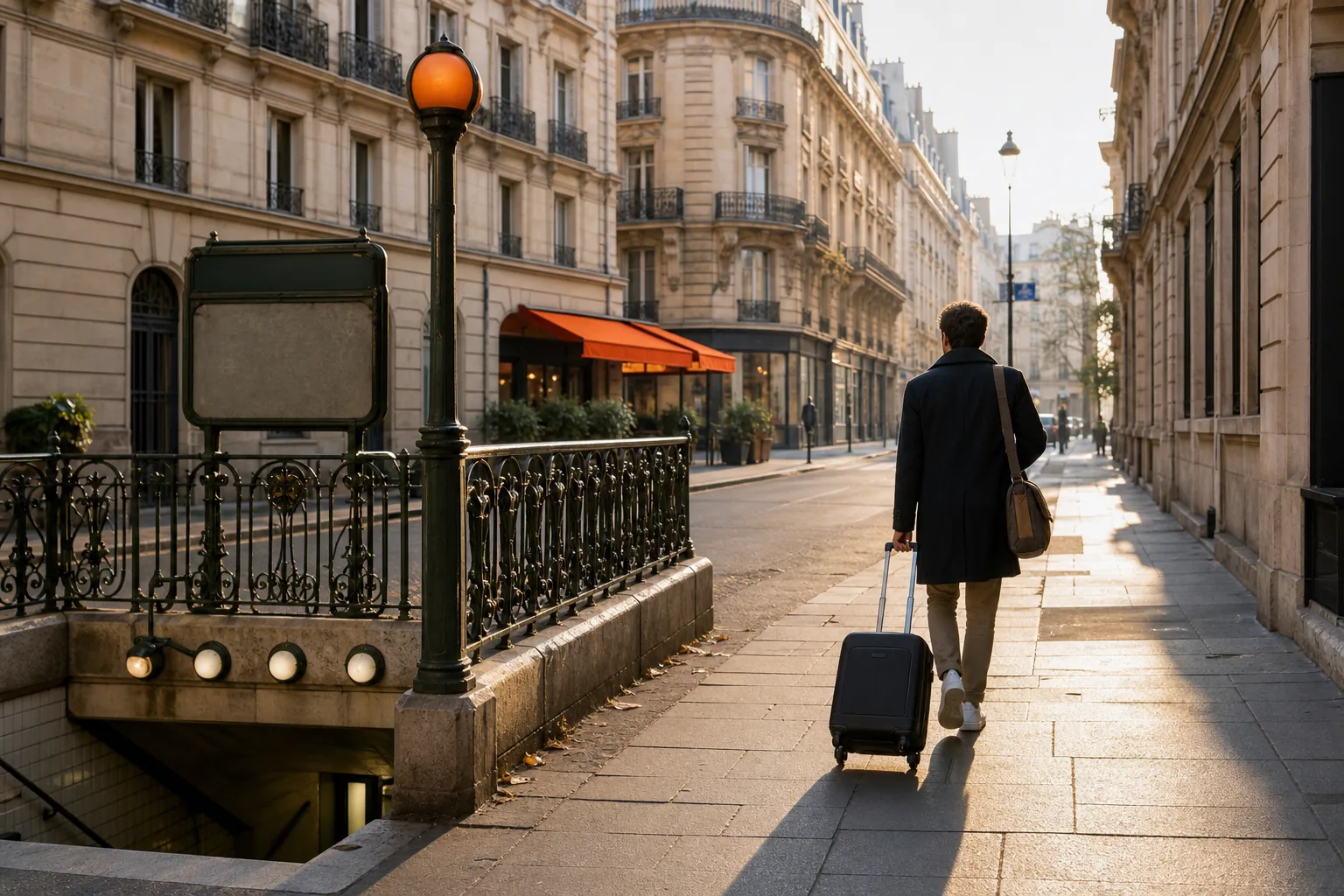
Use a trip filter when your plan starts growing. We’d rather mark one obvious stop to skip than send you across town for a rushed photo.
Day one of a Paris in 2 days itinerary should cover the historic center. Start early at the Louvre, then walk through the Tuileries before crossing to Île de la Cité. Save the river for late afternoon and evening.
Book the Louvre before you land. Admission is EUR 22 for EEA residents and EUR 32 for everyone else. The museum is far too large for a full visit in two hours, so pick two or three rooms before entering. The Mona Lisa crowd can swallow your schedule. If you care more about art than one famous painting, choose a wing and leave when your focus drops.
The Louvre’s history is part of its appeal. It began as a fortress before becoming a royal residence and then a museum. That long shift gives the building more context before you walk inside; learn more about the Louvre.
| Stop | Suggested time | Cost | Keep or skip? |
|---|---|---|---|
| Louvre museum visit | Morning, about 2 hours | EUR 22 EEA, EUR 32 non-EEA | Keep if you want one major museum |
| Tuileries walk | Late morning | Free | Keep as a reset after the museum |
| Sainte-Chapelle | Afternoon, 30-minute slot | EUR 16 EEA, EUR 22 non-EEA | Keep if stained glass appeals to you |
| Notre-Dame nave | Afternoon | Free | Keep, but reserve a free timed slot |
| East-side Seine walk | Afternoon, 45 minutes | Free | Keep if your feet still work |
Walk through the Tuileries after the Louvre. Sit for ten minutes if you need to. Then cross toward Île de la Cité. Sainte-Chapelle takes a 30-minute timed slot, and its stained glass makes the short visit worthwhile. Build in security time because the entry process can slow you down.
Notre-Dame’s nave is free to enter. Reserve the free timed slot when available so you don’t spend your afternoon in a queue. The cathedral itself is worth seeing, but the outside view and the nearby riverbank also count as part of the stop. The island’s history adds context before you walk inside; learn more about Notre-Dame de Paris.
Afterward, walk east along the Seine for about 45 minutes. This costs nothing and gives you the kind of city time a ticket can’t provide. If your group is tired, skip Sainte-Chapelle rather than cutting the river walk down to ten rushed minutes.
Key Takeaway: Choose one paid museum, one short ticketed sight, and one free river walk. That mix keeps day one full without turning it into a queue tour.
Your evening choice can decide whether Paris in 2 days feels satisfying or punishing. We’d choose between a Seine cruise and a free riverside walk, not automatically pay for both.
An evening Seine cruise costs about EUR 19 for the standard option listed in the itinerary research. It takes roughly an hour and shows the city after the lights come on. The route is easy on tired feet, which counts for a lot after the Louvre and Île de la Cité.
The trade-off is simple. The cruise gives you a seat and a broad view, but the riverbank is free. If the weather is dry, walk the quais east from the island. You can stop when you want, sit near the water, and avoid a fixed departure time.
We’d pay for the boat when the sky looks good and the group wants a clear first-trip memory. We’d walk when the cruise price feels silly or the day has already run late. The guides won’t always say it, but the free version is often the calmer choice.
For dinner, the Latin Quarter has fixed two-course menus listed around EUR 18 to EUR 28. Treat those figures as planning guides, not locked rates. Eat before the cruise if you have a fixed departure, or walk first and sit down afterward.
Skip a dinner cruise on this trip unless the meal itself is the point. It costs far more than a standard sightseeing boat, and it uses an evening you could spend in a neighborhood.
Pro Tip: Set a firm dinner or cruise cutoff before leaving the hotel. A short trip loses time when every choice gets made after everyone is hungry.
Day two of your Paris in 2 days plan starts in Montmartre because the hill gets harder once the streets fill. Arrive in the morning, walk downhill when you can, then use the Metro to reach the Opéra area.
Take the Metro to Abbesses or another stop that puts you near the hill. Start near the hilltop and give yourself time for the steps, the terrace, and the streets behind the main square. A higher viewpoint is optional.
Montmartre is worth the effort for the change in pace. You get steep lanes, old houses, and a view across the city. But don’t spend half the day circling the same tourist square. Walk downhill toward Pigalle once you’ve had your look.
Rain changes this morning. Skip the exposed steps if they’re slick and use an easier uphill option instead. You’ll lose some of the walk, but you’ll save your knees and keep the rest of the day on track.
From Pigalle, take the Metro toward Opéra. The covered passages are a good optional stop if you want shelter and a slower hour. Otherwise, keep moving south and east. Paris rewards walking, but only when the route serves the day. Extra zigzags are just unpaid transit.
By lunch, choose the Marais or Canal area. A boulangerie sandwich and pastry remains the budget anchor at EUR 5 to EUR 8. Eat outside the most crowded tourist lanes when possible, then head toward Le Marais and Île Saint-Louis in the afternoon.
Le Marais works well as the flexible part of day two. You can browse side streets, sit in a square, or stop early for coffee. The pacing rule for compact trips is simple: protect one block of time for wandering instead of filling every hour.
Keep a buffer of at least 30 minutes before dinner. Transit delays, stairs, and wrong turns are normal. If Montmartre takes longer than planned, drop the Opéra stop first. Keep the neighborhood walk.
Finish the trip at Trocadéro and the Eiffel Tower, but choose one clear viewing plan. You can visit the tower itself in the morning, or use Trocadéro for the wide view and save the paid entry.
If going up matters to you, book the earliest Eiffel Tower slot you can find. Lift access to the second floor and summit is available, but pricing varies. The same source says tickets open 60 days ahead. Prices and release rules can change, so check the official ticket page before you commit.
Give the tower about 90 minutes if you already have a timed ticket. Add more time if you plan to wait, take the stairs, or stop at each level. The second floor can be more useful than the summit for spotting city landmarks because you’re close enough to read the shape of Paris.
For a free plan, start at Trocadéro. The wide-angle view across the Seine is the classic frame, and the walk through Champ de Mars gives you a second angle. Golden hour works well, but early morning is quieter. If you arrive late, don’t force the tower visit. The view from the ground still counts.
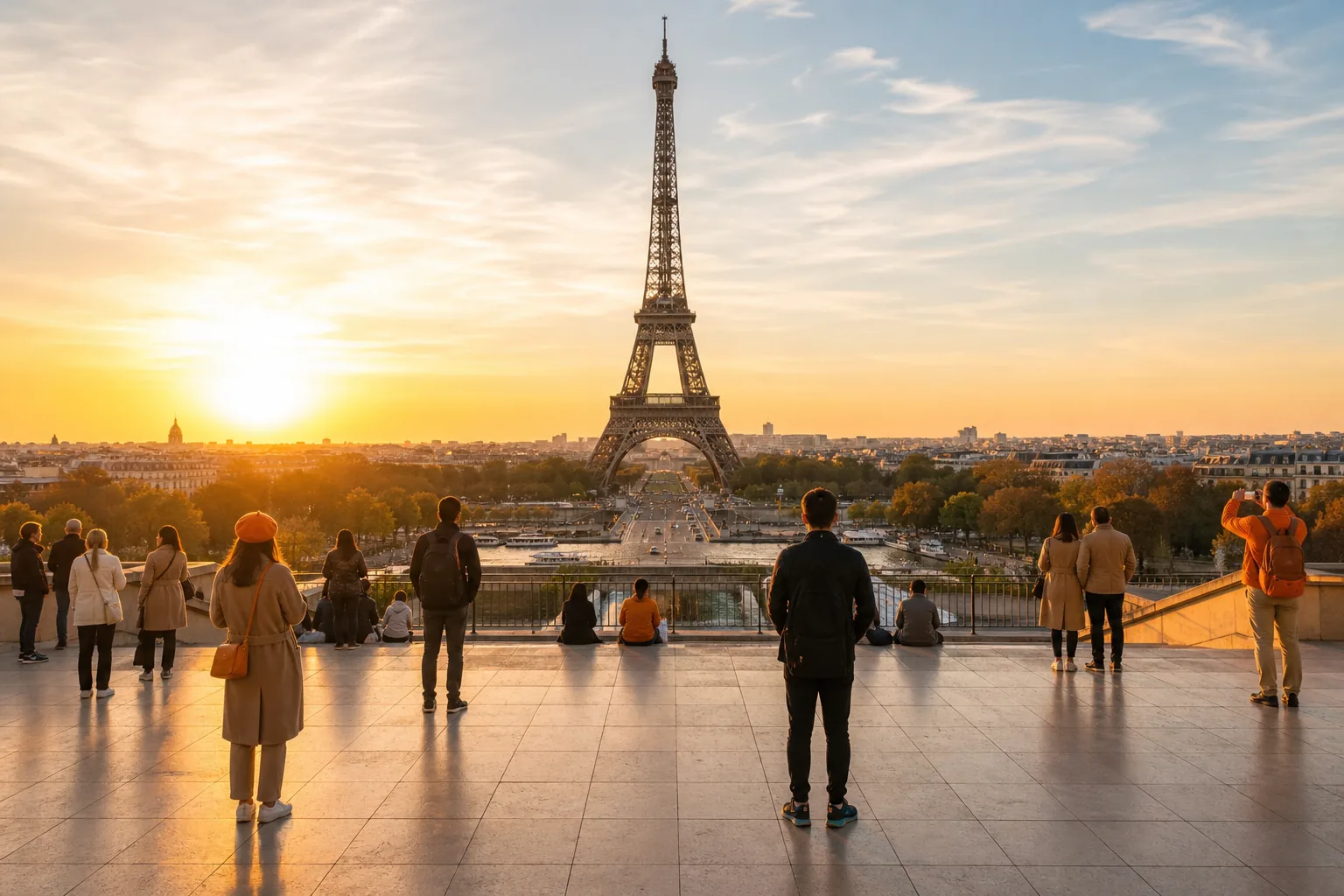
We’d skip the tower summit when tickets are gone or the weather is poor. Clouds can erase the payoff while the entry fee stays the same. Use the free Trocadéro view, then walk toward the river and stop for a final drink or snack.
That choice also protects your travel budget. The free attractions in a two-day route can do most of the work: Montmartre, a nearby neighborhood, the Notre-Dame nave, Tuileries, Trocadéro, and the Seine walk. Paid entries should earn their space in the schedule.
If you’re taking photos, keep the plan simple. Pick one viewpoint, wait for the light, and put the camera away for part of the walk. Paris looks better when you’re present for it. A short trip should leave you with memories, not only a full camera roll.
Paris in 2 days is enough for a focused first visit, but not for the whole city. You can cover one major museum, Île de la Cité, Montmartre, the Eiffel Tower area, and a few long walks. Treat the trip as a highlight route. If you want a slower pace, stay four nights instead.
Book the Louvre, the Eiffel Tower, Sainte-Chapelle, and any fixed-time cruise before you arrive. The Louvre needs a timed entry, and Sainte-Chapelle uses 30-minute entry windows. Reserve a free timed slot for Notre-Dame when one is available. Leave neighborhood walks flexible.
You can visit Paris in 2 days without paying entry fees if you focus on free sights. Montmartre, Sacré-Cœur, the Notre-Dame nave, Trocadéro, Champ de Mars, the Tuileries, and the Seine walk can fill the route. You’ll still pay for food and transit, but you can skip paid museums.
Visit the sight you care about most first. Choose the Louvre if art is the main reason you came. Choose the Eiffel Tower if the city view matters more. We’d avoid booking both on the same tight morning because queues and transit can turn a simple plan into a race.
Skip Versailles, the Catacombs, and a long list of small museums on a two-day trip. They can be worthwhile, but each takes time away from central Paris. We’d also skip a dinner cruise unless the meal is your main event. Keep one flexible neighborhood walk instead.
We’d keep the Louvre or Eiffel Tower, but not force both if tickets or weather make the day messy. Keep Montmartre, Notre-Dame, and the free Seine walks. Skip Versailles and the dinner cruise. Then save your ticket times, load your transit card, and trim the plan before you go.
Find the best travel apps for flights, bookings, itineraries, transit, and travel days, with honest trade-offs and clear recommendations.
Use these travel planning tips to set a realistic budget, choose the right pace, book smarter, and build an itinerary you will enjoy.
Hostel vs hotel for solo female travelers: real price figures, safety comparison, and Maren's honest recommendation including the private hostel room option.