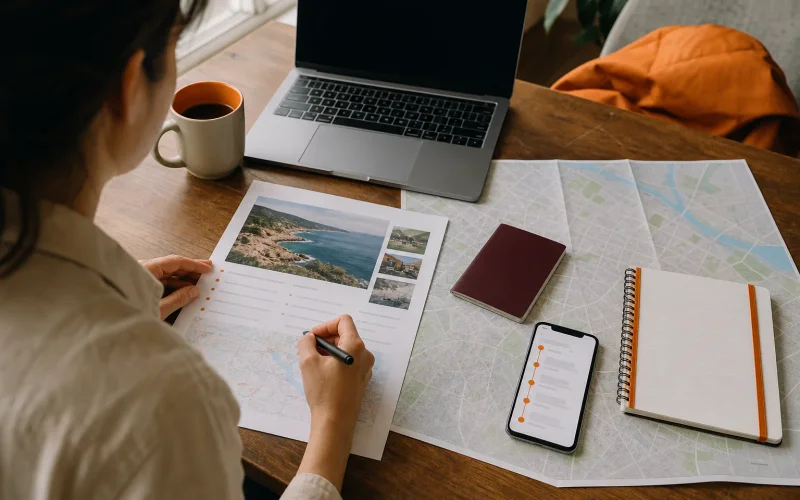
Travel Apps: What to Use for Every Trip
Find the best travel apps for flights, bookings, itineraries, transit, and travel days, with honest trade-offs and clear recommendations.
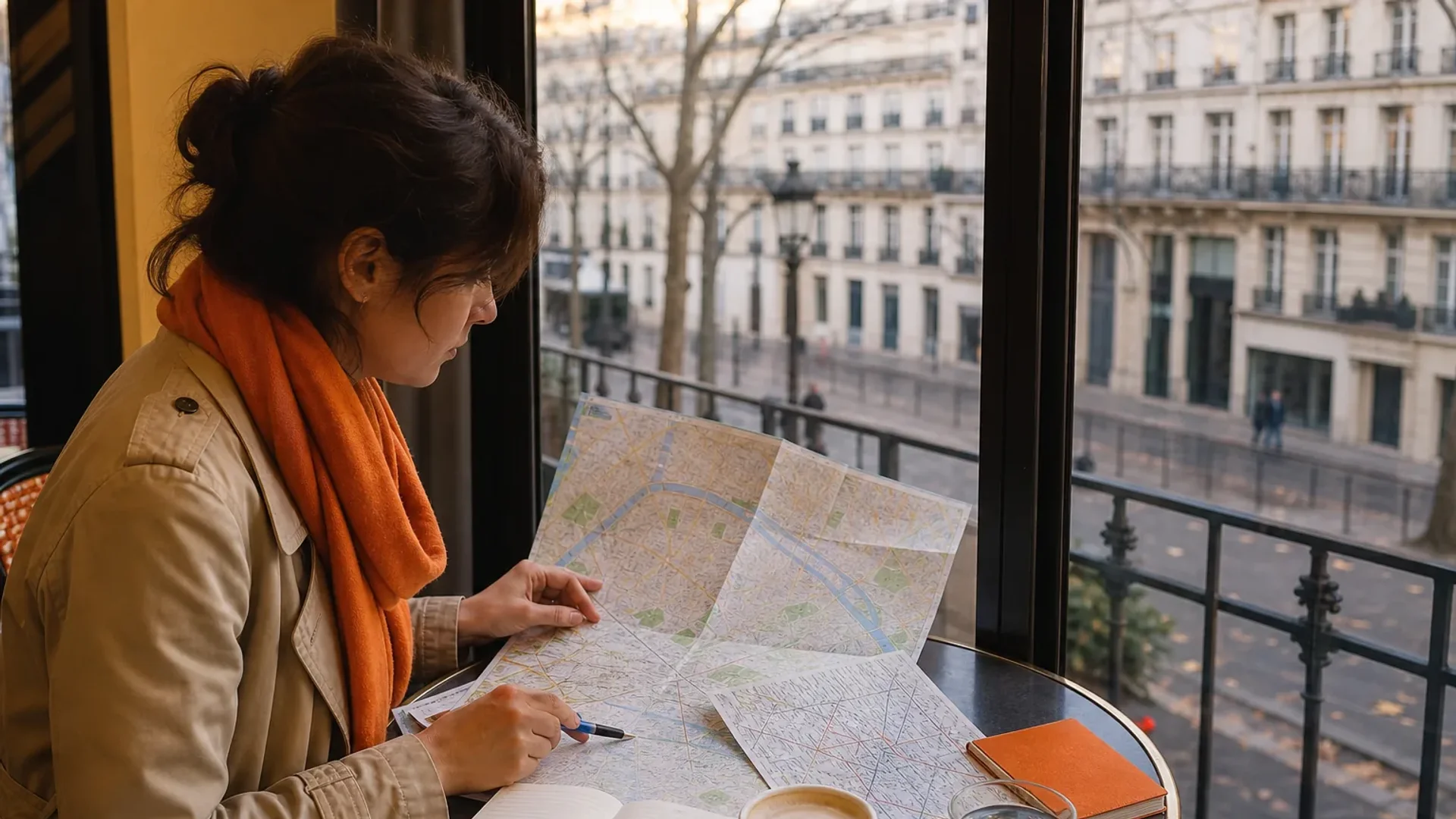
Three days in Paris is enough for the icons, but not enough for every famous street on your saved map. The biggest budget trap is timing: evening stops make up 38% of itinerary entries, while prices are often left out. We built this plan around short routes, timed tickets, free sights, and meals that won’t wreck your budget.
A good paris itinerary 3 days plan starts with a limit, not a list. Pick two paid sights that you care about most. Then leave room for walks, meals, and the odd wrong turn.
We suggest this order: Eiffel Tower and Notre-Dame on Day 1, the Louvre and Sainte-Chapelle on Day 2, then Montmartre and Le Marais on Day 3. The route moves across nearby areas instead of sending you across town every few hours.
Set a daily activity budget before you book. The Eiffel Tower can shift that number fast. A stairs-only climb is listed at €14.80, while access choices with lifts or the summit cost more.
Food gives you more control. A boulangerie breakfast can cost €2 to €4. A picnic lunch may land around €8 to €12. A fixed-price bistro dinner, called a formule, often sits around €18 to €30. Transport can add roughly €5 to €10 per day, depending on how much you walk.
For booking context, the ticket information can help you check current access types and time slots. Ticket names and prices can change, so don’t trust an old screenshot from a travel forum.
| Trip choice | Set aside | What it changes |
|---|---|---|
| Icon-first | Two major paid sights | Book the Louvre and Eiffel Tower first |
| Art-first | Three museum or monument visits | Compare individual tickets with a museum pass |
| Walk-first | One paid sight | Use Notre-Dame, Sacré-Coeur, parks, and river walks |
| Food-first | More room for dinners | Trim paid viewpoints and keep long lunch breaks |
We’d also choose a hotel area that cuts down on backtracking. Le Marais and the Latin Quarter keep much of this route within reach, but rates vary by date. We won’t pretend one neighborhood fits every traveler.
Book Day 2 before you book the rest. That one move protects the whole trip.
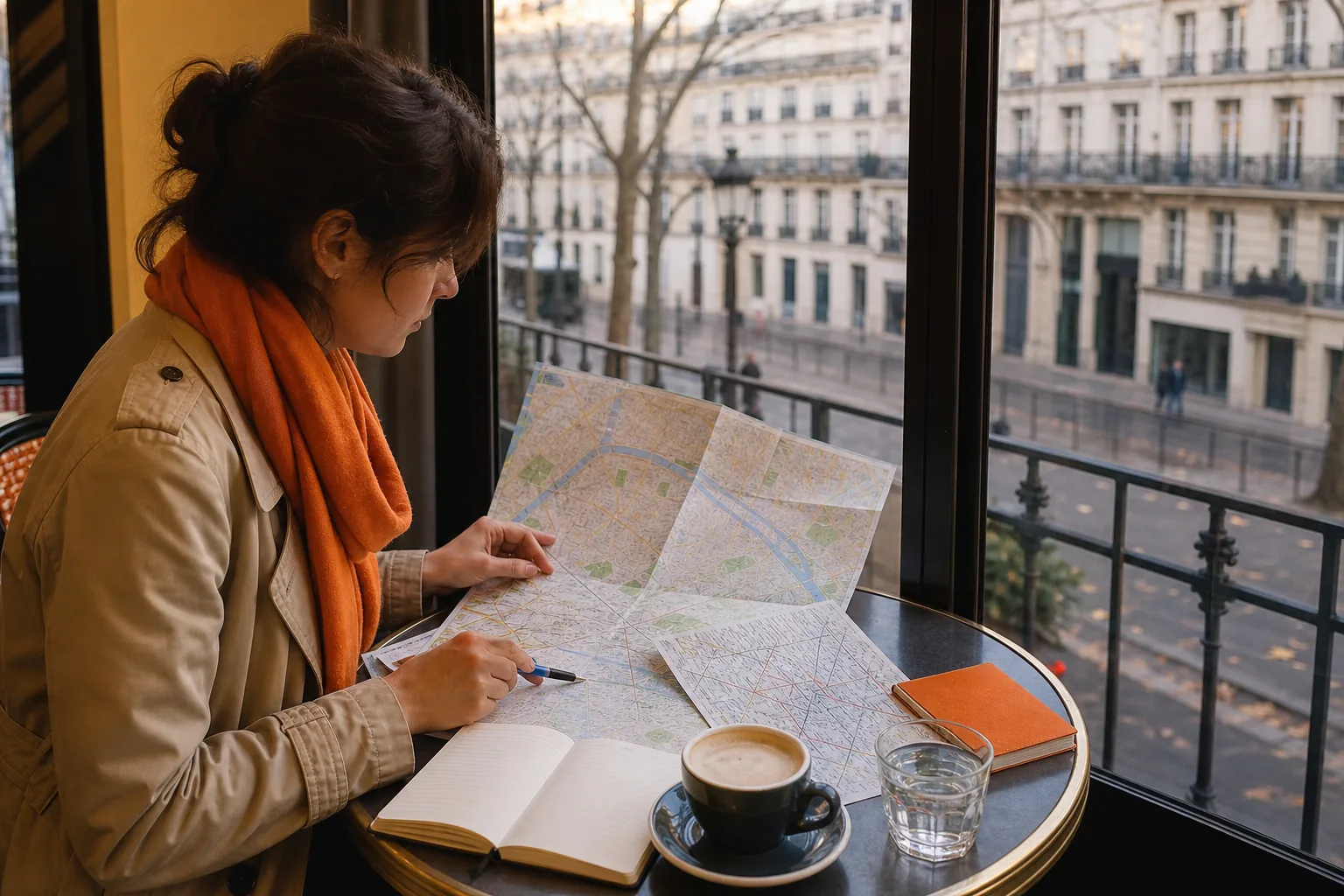
Key Takeaway: Fix your two paid priorities first, then build free walks and meals around them.
Day 1 of this Paris itinerary puts the Eiffel Tower first, then follows the Seine east toward Île de la Cité. Start early if you want the cheaper stairs route and calmer views.
Book a timed Eiffel Tower entry before you land. The stairs-only option to the second floor is listed at €14.80. A second-floor lift ticket has separate pricing, while the summit costs more. Access levels differ, so check what your ticket includes before paying.
Start at Champ de Mars. Walk beneath the tower before going up, since the park gives you a useful sense of its scale. Afterward, cross toward Trocadero for the wide view that most people want in their photos. Both stops are free.
Skip the pricey meal near the tower. A boulangerie sandwich and pastry costs about €5 to €8, and you can eat it on a bench or during the next walk. That’s a better use of your lunch hour than waiting for a table beside a landmark.
Walk east along the Seine for about 45 minutes at an easy pace. If your feet already hurt, use the Metro instead. The point is to reach Notre-Dame without adding a second major ticket.
The Notre-Dame nave is free to enter. A free timed slot can help you avoid joining a second queue, though slots may open only a few hours ahead. Keep your plan loose here. You don’t want to spend the whole afternoon refreshing a booking page.
Finish with dinner in the Latin Quarter. A formule usually costs €18 to €28. Service is already included, so round up if you want to tip, but you don’t need to add a large percentage by default.
An evening Seine cruise is listed at about €19. It can be worth it if you want a seated night view and your legs need a break. It isn’t essential. The riverbank gives you much of the same atmosphere for free.
Research across several itinerary pages found that evening activities appear most often. That sounds romantic, but stacking a cruise after a full sightseeing day is how a pleasant trip turns into a work shift. Choose one evening event, not three.
Day 2 of your Paris itinerary should be your most structured day. The Louvre and Sainte-Chapelle both reward a timed plan, while the spaces between them work well on foot.
Book the Louvre first. The cited rates are €22 for EEA residents and €32 for non-EEA visitors. The museum also has a free first-Friday evening slot from 6 p.m. to 9 p.m., except in July and August, when that opening does not apply. Check the current rules before you set your day.
Don’t try to see the whole building. Pick two or three areas. You might choose the Mona Lisa and one painting wing, or skip the crowded headline work and spend time in quieter rooms. Two focused hours beats four tired hours spent following signs.
Leave time for lunch near Rue de Rivoli or the Palais-Royal arcades. A quick bakery-style meal can stay under €10, based on the cited itinerary research. Sit down only if you want the pause. You don’t need a grand lunch to make the day feel special.
Walk toward Île de la Cité for Sainte-Chapelle. The visit is short, but the stained glass deserves more than a quick photo. Tickets are listed at €16 for EEA visitors and €22 for non-EEA visitors. Timed slots can be tight, so leave a buffer after the Louvre.
Notre-Dame is close enough to add from the outside, or you can use the free nave entry if the queue works in your favor. Then walk across toward Le Marais for your evening. This keeps the day in one broad part of the city.
A museum pass may help if you plan several paid museums over consecutive days. It doesn’t always replace a timed reservation. For only the Louvre and Sainte-Chapelle, compare the actual ticket total before buying a pass.
Pro Tip: Put the Louvre ticket in your calendar first, then select Sainte-Chapelle at least 30 minutes after your planned museum exit.
Verdict: the Louvre is worth it if you enjoy art or grand historic buildings. If you dislike crowds and museums, skip it without guilt and give the day to river walks and neighborhoods.
Day 3 gives your Paris itinerary room to breathe. Montmartre and Le Marais need less advance planning, so you can slow down after two ticket-heavy days.
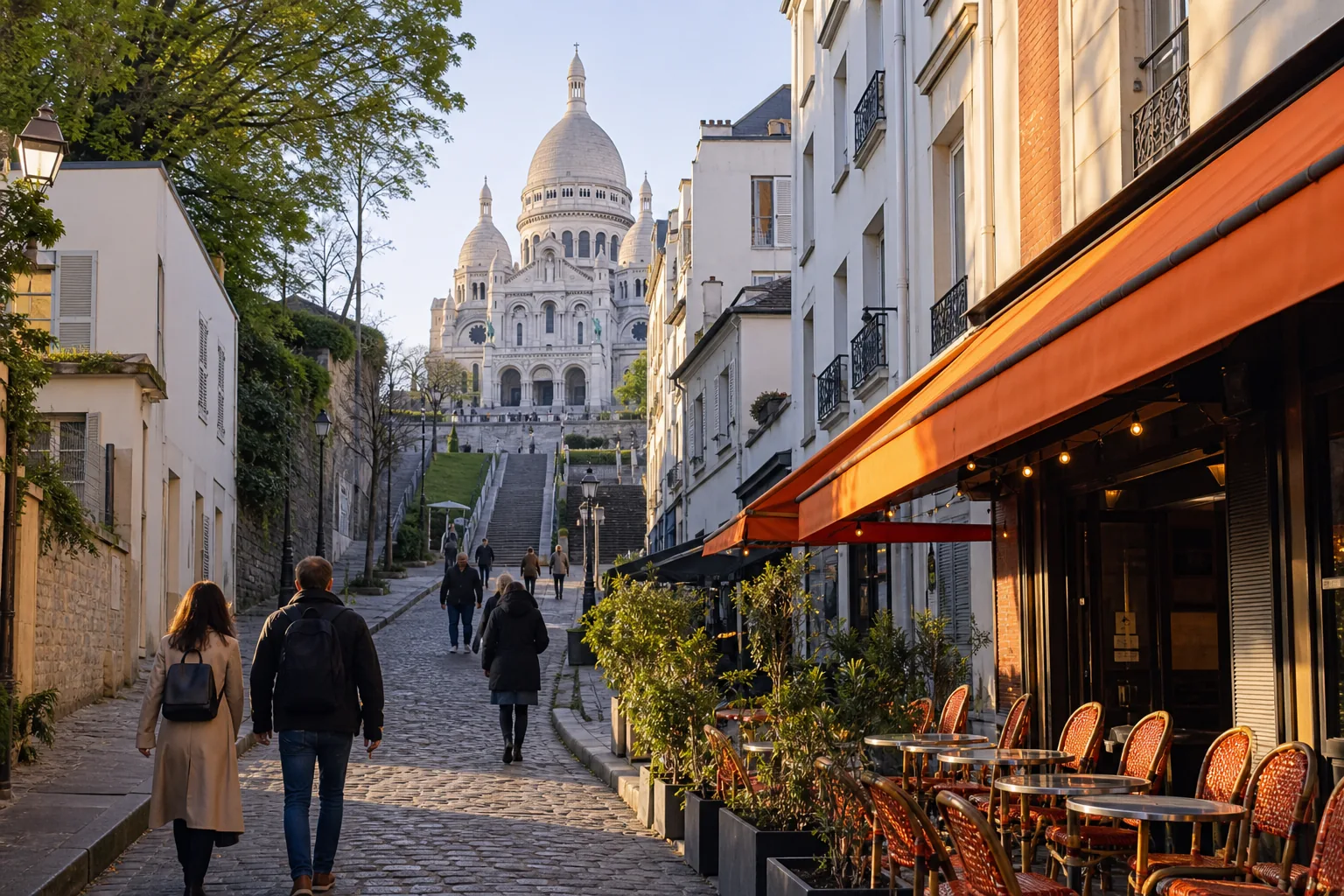
Reach Sacré-Coeur before 10 a.m. The basilica is free, and the early hour helps with both crowds and bracelet-scam crews near the steps from Anvers. Say no and keep walking if someone tries to grab your wrist.
The dome is separate. Its adult ticket is listed at €8, with no advance booking. Climb only if the steps sound enjoyable to you. The basilica and the hill already give you a strong morning without paying more.
Walk through Place du Tertre after the basilica. The square is busy, but it is still worth a short look. Then take the side streets below Rue des Abbesses instead of staying in the busiest lane all morning.
Have a street crepe for lunch, around €4 to €6. It keeps the day cheap and leaves room for dinner. We wouldn’t plan a long sit-down meal here unless food is the reason you chose Montmartre.
Head to Le Marais in the afternoon. Shops stay open on Sundays, which makes this a useful final-day area if your trip includes that day. Walk without a fixed checklist. The reward is the neighborhood itself, not a race to collect five more sights.
For dinner, choose a formule around €18 to €28. If you want something faster, falafel from Rue des Rosiers is listed at about €8 to €10. Check opening days before you go, since some food spots close on Saturdays.
We like this pairing because it gives you contrast. Montmartre brings a hill, a basilica, and broad city views. Le Marais gives you narrow streets and a late meal without another major admission fee.
Keep the final day flexible enough to absorb weather, tired feet, or one place you loved more than expected.
The smartest Paris itinerary 3 days plan spends money where time matters most. It does not pay for every viewpoint just because a guide lists it.
Use this booking order:
Walk when two stops sit in the same area. Day 1’s Seine route costs nothing. Day 3’s neighborhood walks cost nothing. Save Metro rides for long jumps, bad weather, or tired legs.
Watch the small charges.
Use a line-item check before you leave:
Skip the Eiffel Tower restaurant if your goal is the classic tower view. You can see the tower better from Champ de Mars or Trocadero, then spend that meal budget elsewhere.
Skip a museum pass if you only want one or two paid sights. Buy it only when the included places match your actual plan. A pass that pushes you into extra museums is an expensive guilt trip.
We also suggest leaving one hour free each afternoon. Paris is larger than it looks, and metro stairs eat time. The guides won’t always tell you that a slower day often feels fuller.
Set your alerts and reservations now, but don’t fill every gap. A little empty space is part of the plan.
Three days is enough for a first visit focused on major sights and two neighborhoods. This Paris itinerary fits the Eiffel Tower, Notre-Dame, the Louvre, Sainte-Chapelle, Montmartre, and Le Marais. You won’t see every museum or district. That’s the trade-off, and it is better than spending the trip in transit.
Book the Eiffel Tower, Louvre, and Sainte-Chapelle in advance when you want a set time. The Louvre needs the most planning because popular morning slots can go first. Montmartre, Sacré-Coeur, river walks, and Le Marais usually work without advance reservations.
The Louvre is worth it when you enjoy art, palace buildings, or famous works. Give it two focused hours instead of trying to cover the full museum. If crowds make you miserable, skip it and use the time for a long Seine walk or another neighborhood.
Your daily cost depends most on your hotel and paid sights. Food can range from a €2 to €4 pastry breakfast to a €18 to €30 bistro dinner. Add about €5 to €10 for daily transport if you walk part of the route. Check every ticket’s access level before setting your budget.
We recommend booking the Eiffel Tower, Louvre, and Sainte-Chapelle first, then protecting time for Notre-Dame, Montmartre, Le Marais, and the Seine. That mix gives you the major sights without turning every hour into a queue. Save the plan in your phone and confirm ticket rules on official sites before you go.
Find the best travel apps for flights, bookings, itineraries, transit, and travel days, with honest trade-offs and clear recommendations.
Use these travel planning tips to set a realistic budget, choose the right pace, book smarter, and build an itinerary you will enjoy.
Hostel vs hotel for solo female travelers: real price figures, safety comparison, and Maren's honest recommendation including the private hostel room option.