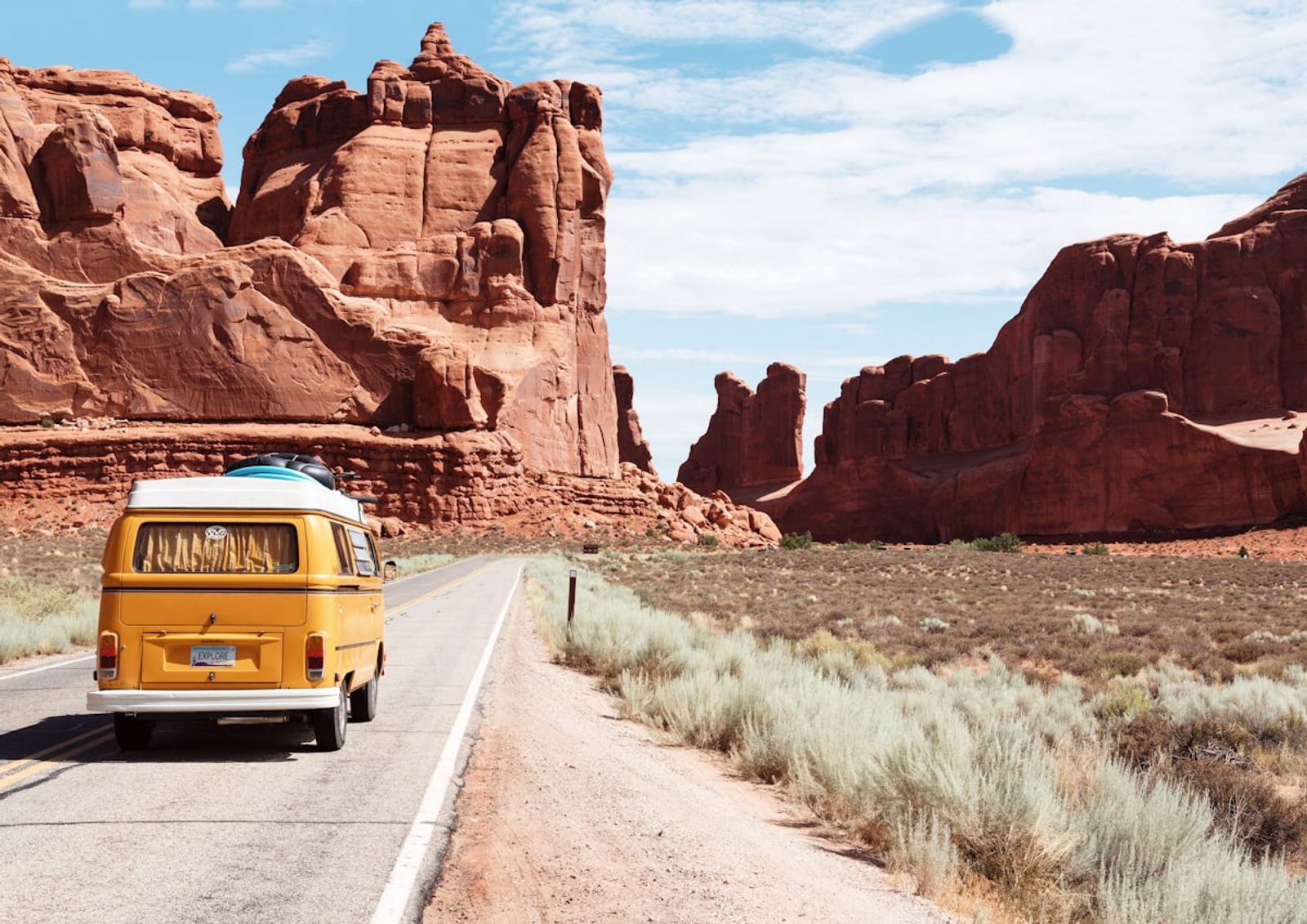
There is something specific about being in a car alone on a long straight road with good music and nowhere you have to be by a fixed time. I drove the Pacific Coast Highway solo for the first time four years ago, and I still think about certain stretches of that drive when I need to remember what it feels like to be completely free.
Solo road trips are a different kind of travel than flying somewhere and staying put. The movement itself is part of the point. The freedom is not just about the destination. It is about being the one who decides when to stop, where to turn, and how long to stay anywhere.
If you have been thinking about a solo road trip and holding back, I want to address the practical concerns honestly and then tell you what no one will say directly: it is significantly less dangerous and significantly more enjoyable than most of the fear-based advice about solo female driving would suggest.
Planning a Solo Road Trip: Start With the Basics
Route length and driving days matter more than destination choice. A common mistake is planning too many driving hours per day. Five to six hours of driving is a comfortable upper limit for a solo road trip, and less is often better. Unlike a shared road trip where you can swap drivers or nap while someone else drives, everything on a solo trip runs through you. Building in shorter driving days with more time at each stop makes the trip more enjoyable and less exhausting.
Reserve accommodations in advance, especially at the ends of your days. The freedom of a solo road trip is not actually about having nowhere to sleep. Knowing where you will end up at the end of a driving day removes one major variable and means you are not making tired decisions about where to stay after seven hours behind the wheel. Reserve the main stops. Leave some flexibility in the middle.
Plan the driving segments by map, not by the photos. Social media makes every road trip look like an unbroken sequence of viewpoints. The practical experience involves gas stations, food, construction zones, and sometimes a stretch of highway that is completely unremarkable for two hours. Planning realistic driving segments, accounting for actual terrain and speed limits rather than optimistic mileage estimates, makes the trip work.
Car Preparation: The One Area Where Being Thorough Actually Matters
This is the section where I will sound like someone’s mother, but please read it anyway. A mechanical issue in a remote area alone is a real problem. Being prepared for it reduces the chance of it becoming an emergency.
Before a solo road trip, have the car checked for tire pressure, oil, coolant, and brake fluid. Make sure the spare tire is functional and that you know where the jack and the instructions are. Carry jumper cables or a portable jump starter. Pack a basic roadside kit with reflective triangles, a flashlight, and a charged portable phone battery.
Download the maps for your route offline in Google Maps or Maps.me before you leave. Cell coverage on scenic roads is unreliable, and knowing your route offline is not paranoia. It is preparation.
Join AAA or a comparable roadside assistance service if you are not already a member. The annual cost is small. The ability to make one call when you have a flat on a mountain pass is worth it.
Know what to do if your car breaks down: pull off the road as far as possible, turn on hazard lights, stay in the car if you are on a highway, and call for assistance. Most breakdowns on main roads are not emergencies. They become emergencies when people handle them poorly.
Safety for Solo Female Drivers
The honest answer is that solo road trips are substantially safe for women in most driving destinations. The specific dangers that are cited most often are also the most preventable.
Lock your car when stopped. At rest stops, gas stations, and trailheads, keep valuables out of sight and lock the car every time you leave it. This is basic theft prevention, not a solo-female-specific concern, but it matters.
Trust your instincts about where you stop for the night. If a motel feels wrong when you pull in, you do not have to stay. Paying for a night you do not sleep in is better than staying somewhere that makes you uncomfortable. This almost never happens at well-reviewed properties in normal travel areas. If it does happen, drive on.
Tell someone your itinerary and share your location. Before you leave, give a person you trust a rough route and your accommodation names. Turn on location sharing with that person on your phone. Check in at the end of each day. This is not about constant monitoring. It is about having someone who would notice if you went silent.
Gas before you need it, not when the warning light comes on. On scenic routes and in rural areas, gas stations can be further apart than you expect. Filling up when you are at half a tank rather than nearly empty removes the anxiety of running low in an inconvenient place.
Carry enough water for a day. If you drive somewhere remote and have a breakdown, the safety risk is mostly heat and dehydration rather than anything more dramatic. A couple of liters of water in the car at all times is a simple hedge.
Choosing Your First Solo Road Trip Route
For a first solo road trip, choose a route with reliable infrastructure, reasonable cell coverage, and enough population density that you are never more than thirty or forty miles from services.
The Pacific Coast Highway in California is one of the most beautiful drives in the United States and has the infrastructure of a heavily traveled road. It can be driven over four to six days with reasonable day lengths, has accommodation at every logical stopping point, and passes through towns where help is available if you need it.
The Blue Ridge Parkway through Virginia and North Carolina is a slower, more forested alternative with extraordinary fall foliage and a series of small towns along the route that offer food and lodging without requiring a major city stop.
Scotland’s North Coast 500 is an excellent international option for a solo road trip. It loops around the northern tip of Scotland with remarkable scenery, is drivable in five to seven days, and has enough tourist infrastructure that you are never isolated. Driving on the left is an adjustment but not a difficult one.
New Zealand’s South Island is the other frequently recommended international option: uncrowded, extraordinarily scenic, and with well-maintained infrastructure throughout.
For first-timers who want something more contained, a two or three day loop from a home city is a completely legitimate way to try solo road-tripping before committing to a longer route.
What Makes a Solo Road Trip Different From a Group Road Trip
The physical experience is similar. The internal experience is completely different.
On a shared road trip, the car is a social space. Conversation fills the time, decisions are negotiated, the energy of another person runs through the whole trip. That is its own good thing.
On a solo trip, the car is your private space. You control the music, the temperature, the stops, and the pace entirely. You think your own thoughts without narration. You can pull over because something looked interesting with no one to consult. You can eat lunch in a gas station parking lot because you are not hungry enough for a real restaurant and no one will notice.
The freedom is real and it is specific. You become very good at your own company very quickly, because the alternative is not available.
The women I have spoken to who have taken solo road trips describe a version of the same outcome: a day or two of feeling slightly strange about being alone in the car, followed by a shift where the solitude becomes the feature rather than the problem. Most say they want to do it again before the first one is over.
A Few Things Worth Knowing Before You Go
Parking in national parks requires reservations for the most popular entry times. If you are visiting Yosemite, Zion, or any busy national park, check the reservation system well in advance.
Rest stop etiquette: stay in your car if anything feels off. Trust that instinct quickly and drive on without guilt.
Podcasts, audiobooks, and music playlists are worth preparing in advance. Five hours of driving benefits from having things to listen to ready to go rather than browsing while moving.
Carry your important documents: license, insurance, registration, and a copy of your passport if traveling internationally. Know where they are without searching.
For more on the mindset side of solo travel, enjoying your own company covers what actually makes solitude feel good rather than uncomfortable. A solo road trip is one of the best environments to practice it.
Frequently Asked Questions
Is a solo road trip safe for a woman?
Yes, in most destinations with reasonable infrastructure. Standard safety practices, locking your car, staying in well-reviewed accommodations, sharing your itinerary, and trusting your instincts, cover the majority of concerns.
What should a woman bring on a solo road trip?
Roadside kit including jumper cables or a portable jump starter, offline maps downloaded, a full spare tire, phone charger and portable battery, enough water for a day, important documents, and a basic first aid kit.
How do I plan a solo road trip itinerary?
Keep driving days to five or six hours maximum. Reserve accommodations at each main stop. Plan fuel stops based on actual gas station locations rather than assuming they are frequent. Leave some flexibility in the middle of the trip while keeping the end nights fixed.
What is the best solo road trip for women?
The Pacific Coast Highway, Blue Ridge Parkway, Scotland’s North Coast 500, and New Zealand’s South Island are all frequently cited. For a first trip, a shorter two or three day loop from home allows you to try the format without overcommitting.