I am thirty-five, which means I am not personally writing this from the vantage point of fifty. But I have traveled alongside women who are, I have listened to their conversations about what changed and what did not, and I have followed the accounts of women in their fifties and sixties who are doing some of the most interesting traveling I have seen.
The picture that emerges is not one of limitations. It is one of women who travel with more clarity, fewer apologies, and a level of confidence that most women in their thirties are still working to build. If you are a woman over fifty who is thinking about solo travel for the first time, or returning to it after years of traveling with a partner or family, here is an honest account of what actually shifts and what remains exactly the same.
What Gets Better With Age
The most consistent thing women over fifty say about solo travel is that they care less what other people think. Not in a resigned way. In a genuinely liberating way. They have had enough life experience to know that most social discomfort is temporary and most feared judgments never arrive.
This matters enormously for solo travel. So much of what holds women back from eating alone, speaking up at a hotel front desk, asking questions in a new city, or changing plans when something is not working comes from caring too much about how those actions look to other people. With age, that concern tends to diminish. What replaces it is a clearer sense of what you actually want and a willingness to go after it.
Women over fifty also tend to have more financial resources for travel, more time flexibility once children are grown or careers have matured, and a stronger sense of their own preferences. They know they prefer a comfortable bed to the cheapest available option. They know whether they like guided tours or solo wandering. They know when they need to rest and when they want to push on. That self-knowledge makes planning easier and travel more enjoyable.
What Is Actually Different
Physical considerations become more real with age, and ignoring them is how trips get cut short. This is not a reason to stay home. It is a reason to plan well.
Jet lag hits harder for many women over fifty and takes longer to recover from. Building a slower arrival into your itinerary, planning for a rest day in the first two days, and not scheduling anything critical for your first morning after a long-haul flight makes a real difference.
Travel insurance becomes more important, not less. Pre-existing conditions, medical emergencies abroad, and trip cancellation all carry higher stakes. Read the policy carefully, particularly the medical coverage and evacuation provisions. The cheapest travel insurance is rarely the right choice for anyone over fifty.
If you have mobility considerations, researching accessibility honestly at the planning stage matters more than it did at thirty. Many historic European cities have uneven cobblestones, no elevators, and long walks between sites. Cities designed for walkers are often easier than they sound; cities described as flat often have hills that are not mentioned in guidebooks. Reading reviews from other travelers with similar considerations, not accessibility guides written by nondisabled people, gives more accurate information.
The Safety Conversation
Women over fifty are sometimes told that solo travel is particularly risky for them, either because they are seen as more vulnerable targets or because they are assumed to need more help. Neither assumption is well-grounded in reality.
Experienced solo travelers of any age tend to have good instincts because they have learned to pay attention. Women who have spent decades navigating the world have plenty of practice reading situations accurately. The skills you have developed over a lifetime of managing your own safety do not disappear at fifty.
Practical safety habits are the same across ages: stay in well-reviewed accommodations in reasonably central locations, keep a copy of your passport, tell someone your itinerary, know how to reach your embassy, and trust your gut when something feels wrong.
If anything, older women travelers often report feeling less harassed than they did in their twenties. The specific type of unwanted attention that accompanies solo female travel at younger ages tends to decrease significantly. This is one of the things women over fifty who travel solo mention more often than anything else.
What Kind of Travel Works Best
The answer is the same as it is for any solo traveler: the kind that suits your preferences and your pace. But there are a few formats that tend to work especially well.
Small group tours designed for solo travelers solve the social isolation concern without requiring you to share a room or follow a fixed pace for every moment of the day. Companies like Intrepid, G Adventures, and Exodus run trips with average participant ages in the forties and fifties. You will be in a group of people in a similar life stage, which makes conversation easier and the social experience more comfortable.
River and small-ship cruising offers a base that moves with you, which handles the logistical load of constant movement. You unpack once, the social infrastructure of a small community forms around you, and you can decide each port whether to join a tour, explore independently, or simply stay on board.
For those who prefer independent travel, planning a little more buffer into the schedule than you would have at thirty is worth it. Not because you cannot move fast, but because the unexpected, whether a delayed train, a spectacular view worth sitting with for an extra hour, or simply a day where you want to do nothing, is better with some room for it.
The Best First Destinations for Women Over 50
Countries with strong tourism infrastructure, clear English signage, good healthcare systems, and relatively low physical difficulty are the easiest starting points.
Portugal consistently comes up in conversations about solo travel for women over fifty. Lisbon and Porto are walkable cities with remarkable food, affordable accommodation, and an extremely relaxed atmosphere toward solo travelers of any age. The coastline is beautiful without requiring difficult hikes to access.
New Zealand offers ease of navigation, excellent infrastructure, and extraordinary scenery without significant language barriers. It requires a long-haul flight from most places, which is worth factoring in, but the country is extremely solo-traveler-friendly once you are there.
Japan is harder on paper than it turns out to be in practice. The trains run exactly on time, the food is exceptional, the cities are safe, and the culture toward solo travelers and older visitors is genuinely respectful. The language barrier is real but manageable with a translation app and a small amount of preparation.
For women who want to start closer to home, a solo road trip through the American Southwest, the Canadian Maritimes, or the Scottish Highlands offers the freedom of independent travel with the comfort of familiar infrastructure.
Connecting With Other Solo Travelers
One of the best developments in solo travel over the past decade is the growth of travel communities specifically for older solo travelers. Facebook groups and subreddits for solo travel over fifty are active and welcoming. Women in these communities share destination recommendations, answer specific questions, and sometimes coordinate to meet up in cities they are both visiting.
Accommodation choices also affect the social experience. Smaller boutique hotels and well-reviewed guesthouses tend to attract more interesting guests than large chains. A table at breakfast shared with three other solo guests has started more lasting travel friendships than any formal group tour I have heard about.
If this is your first solo trip and you are on the fence, the most useful thing I can tell you is to start smaller than you think you need to. A long weekend in a city you have wanted to visit is enough to discover whether solo travel is for you. You do not need to begin with two weeks in Japan. You need to begin.
For more on what to expect from the first days alone, the article on traveling alone for the first time covers the adjustment period in detail. The emotional rhythm of a first solo trip is similar across ages, and knowing what to expect makes it significantly easier to move through.
Frequently Asked Questions
Is solo travel safe for women over 50?
Yes. Safe travel practices apply at any age, and experienced women tend to have good instincts. The specific harassment concerns that affect younger women travelers typically decrease significantly after fifty.
What are the best destinations for solo female travelers over 50?
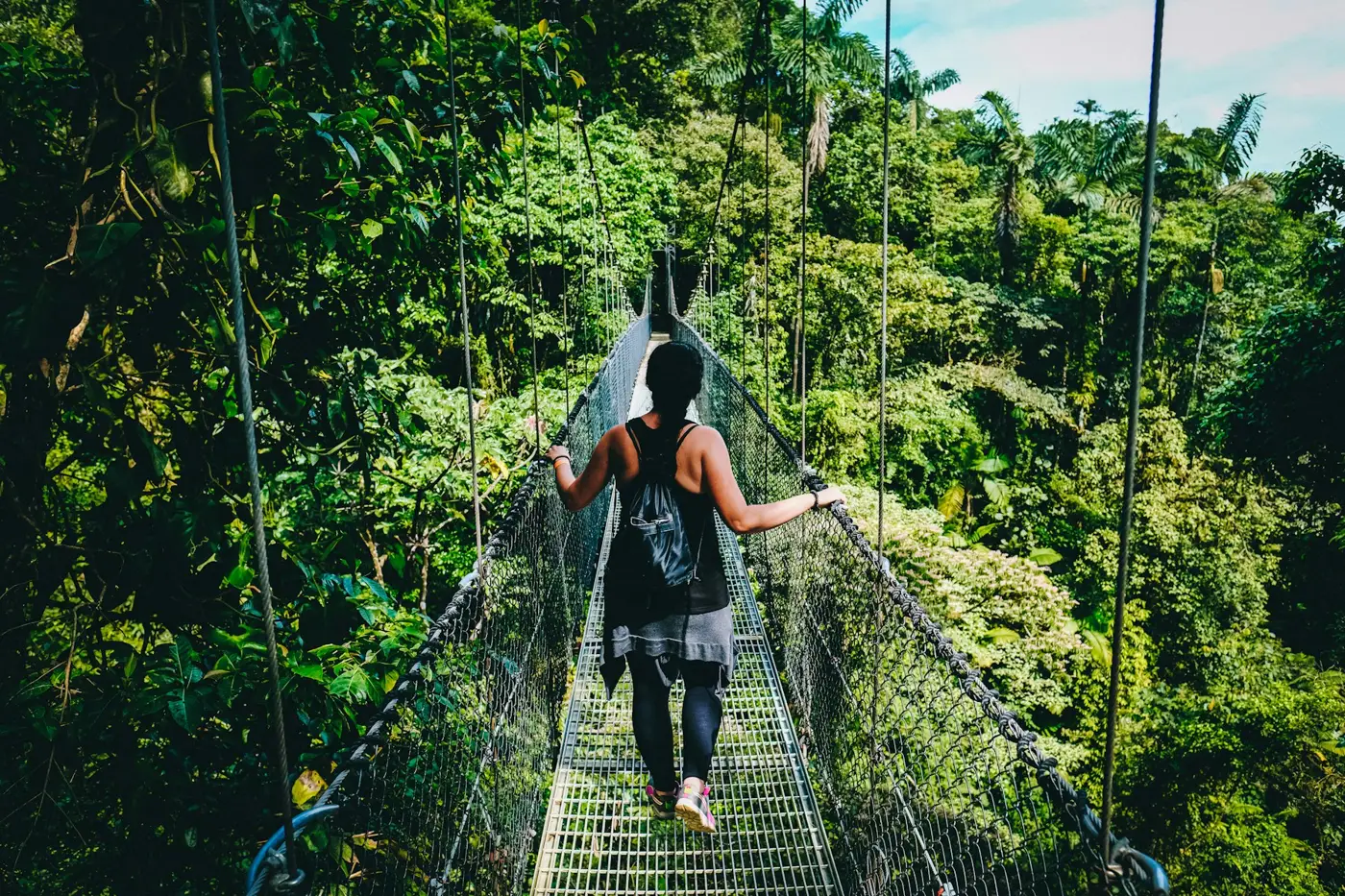
Portugal, Japan, New Zealand, and Costa Rica are consistently cited by women in this group. Good infrastructure, welcoming cultures, and manageable physical terrain make these destinations well-suited for solo travel at any pace.
Should I use a tour company or travel independently?
Both work. Small group tours designed for solo travelers solve the social isolation concern while maintaining flexibility. Independent travel offers more control over pace and schedule. Many women over fifty do a combination, using organized transport for the logistically complex parts and exploring independently once established in a destination.
What health considerations matter most for solo travel over 50?
Travel insurance with solid medical coverage and evacuation provisions is essential. Factoring in jet lag recovery time, knowing your nearest embassy and hospital, and being honest with yourself about physical capacity at specific destinations are the most important practical considerations.