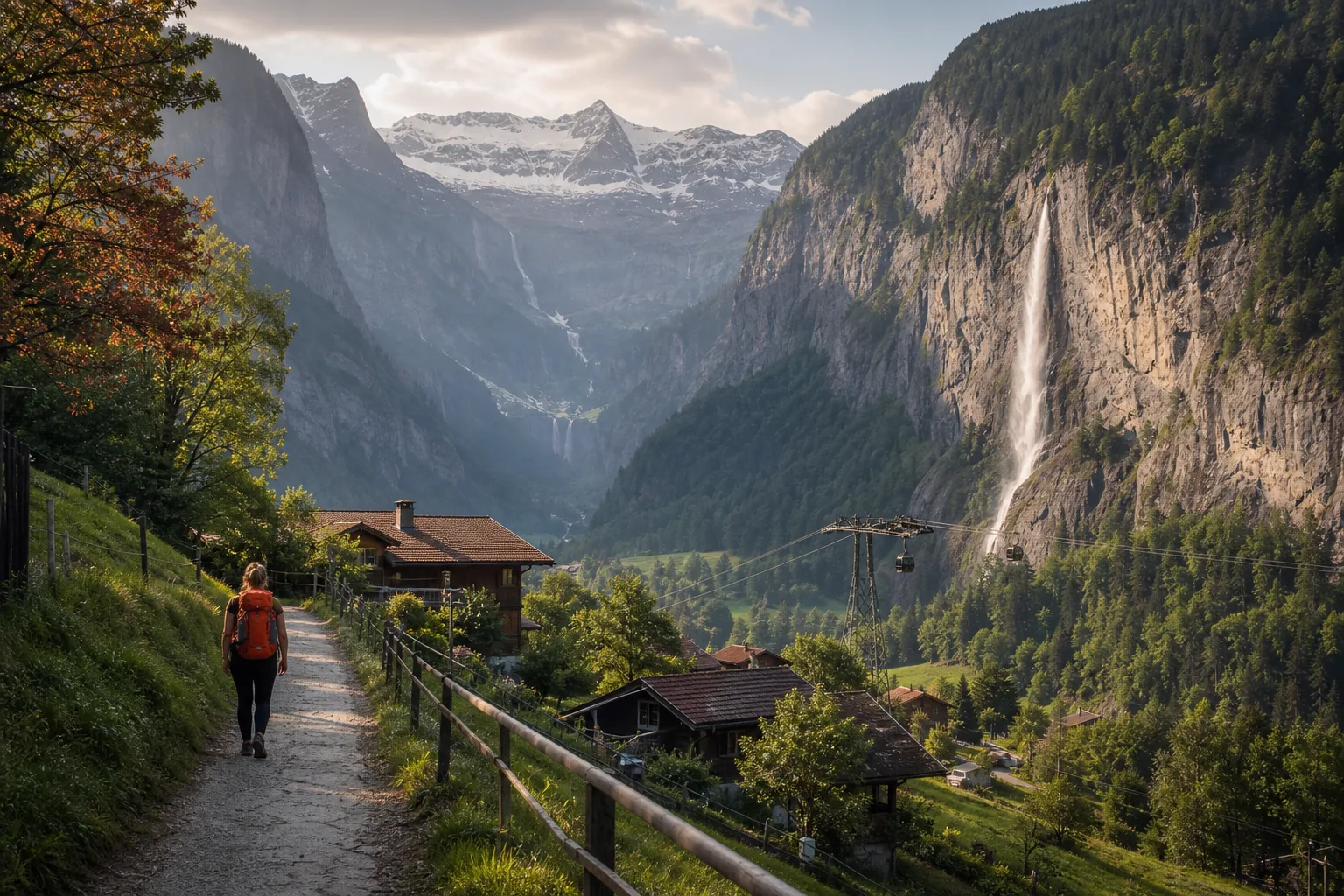
Switzerland can look small on a map, yet mountain railways and cable cars can eat up a day fast. This Switzerland itinerary 7 days route forms a loop through Zurich, Lucerne, Zermatt, Lauterbrunnen, Grindelwald, and Rhine Falls. We’ll show you what to do each day, where the pace gets tight, and which costs still need checking before you book.
Step 1: Build the Route Around Switzerland’s Travel Days
A seven-day Switzerland itinerary works best when you count transport as part of the trip, not as dead time. Switzerland sits at the meeting point of several European regions, with the Alps covering much of the country while major cities sit mainly on the Swiss Plateau.
That geography shapes this route. Zurich appears at both ends, while Lucerne, Zermatt, Lauterbrunnen, Grindelwald, Schynige Platte, and Rhine Falls each appear once. You get a loop, but not a lazy one. Several days depend on mountain railways, lifts, or gondolas, so a late start can throw off the whole plan.
Day
Base or focus
Main transport idea
Pacing call
1
Zurich
Flight and local city travel
Keep the evening light
2
Lucerne
Train and boat
Choose one mountain outing
3
Zermatt
Train and Gornergrat Bahn
Start early
4
Lauterbrunnen area
Train, lift, and gondola
Build in weather flexibility
5
Grindelwald
Train and gondola
Pick one main activity
6
Schynige Platte
Mountain train
Use this as a hiking day
7
Rhine Falls and Zurich
Train
Leave airport margin
We’d book the first night in Zurich and keep your final night close to the airport if your flight leaves early. For the middle of the trip, choose one base in the Lauterbrunnen area rather than moving every night. That saves you from packing up just to sleep somewhere twenty minutes away.
Transport planning needs a close look. The route mixes ordinary trains with high-mountain services. Check each lift and mountain railway before buying a pass.
Key Takeaway: This route is a fast Alpine loop, so protect your mornings and treat weather as part of the schedule.
Step 2: Spend Days 1 and 2 in Zurich and Lucerne
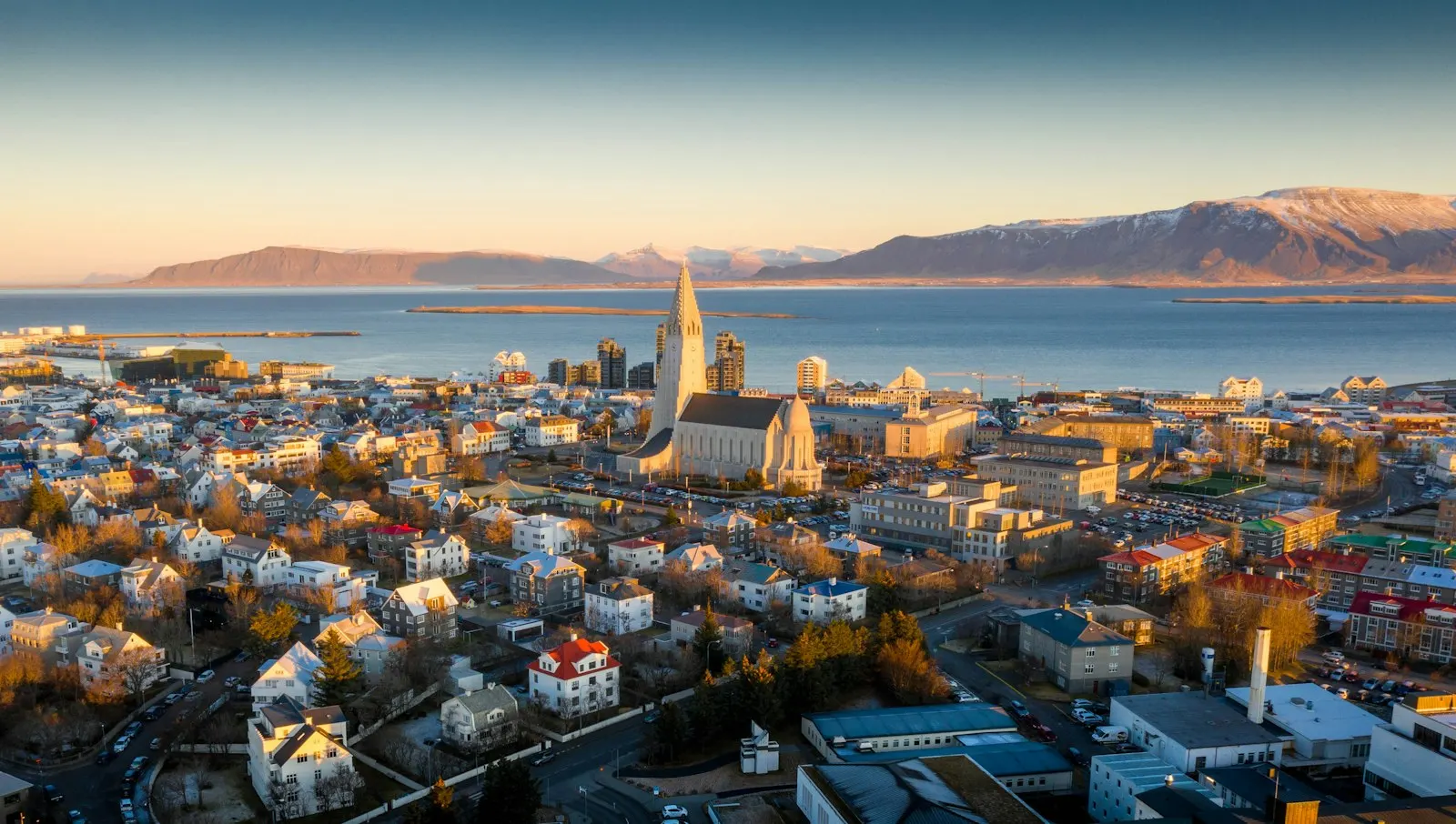
For a Switzerland itinerary 7 days long, Zurich works best as the arrival and departure point rather than the trip’s main base. If you land late, sleep there. Don’t force a same-night transfer after a long flight.
Use Day 1 to get settled. A late arrival means the smart plan is simple: reach your accommodation, set out what you need for the next morning, and stop. You’ll need that energy for the mountain days ahead.
On Day 2, take the train to Lucerne. The city gives you a useful change of pace after Zurich, with a compact center and access to Lake Lucerne. The suggested day combines the town with Mount Pilatus, a lake boat cruise, and market time. That is a lot if you try to do every piece in full.
Pick your main anchor first. If the mountain matters most, set the day around Mount Pilatus and use the town for a short walk. If you want a slower day, stay in Lucerne and take a boat cruise. Markets can fill the gaps without adding another major transport change.
We’d skip trying to add several mountain peaks here. Lucerne is the reset before the route turns into a string of lifts and high points. A calm evening also gives you time to check the next day’s train connections.
If you enjoy building trips by rhythm rather than by landmark count, our Ireland itinerary for seven days follows the same idea: set a daily anchor, then leave room around it. That keeps one late train from wrecking the whole holiday.
Step 3: Use Day 3 for Zermatt and Gornergrat
Day 3 is the hardest travel day in this Switzerland itinerary 7 days plan. You’re using a city-to-mountain transfer to reach Zermatt, then adding the Gornergrat Bahn and its observatory. Start early and treat the mountain ride as the day’s main event.
The Gornergrat route is the clear focus. Take the Gornergrat Bahn up to the Gornergrat Observatory for the Matterhorn view. Check the current fare before you commit.
Rail coverage is worth checking here. Current coverage information can help you compare what is included with what requires an additional fare. That distinction matters on a day built around a mountain railway.
Buy or reserve only what your route needs after checking the current coverage rules. A pass can look appealing until you add several mountain supplements. Point-to-point tickets can also work if this is your only major mountain railway day.
Don’t stack another major attraction onto Zermatt. The guides won’t always say this plainly, but the transfer itself takes focus. Give yourself time at the top, then settle in for the next base rather than chasing one more viewpoint.
Step 4: Base Yourself in the Lauterbrunnen Area for Days 4 and 5
The Lauterbrunnen area is the best place to slow the packing down. Keep one base for Days 4 and 5, then use local trains, lifts, and gondolas for the outings. This is where a Switzerland itinerary 7 days plan starts to feel less like a checklist.
Day 4 follows a mountain route toward Schilthorn. The suggested sequence uses a train to reach the lift network, continues by train toward Mürren, then takes a gondola toward Schilthorn. From there, the route drops toward Gimmelwald and Stechelberg before a walk back toward Lauterbrunnen.
That route has a built-in trade-off. You get several transport types and a long mountain day, but missed connections or poor weather can make the plan feel rushed. Check the lift schedule before leaving. If clouds cover the high point, spend more time in the valley instead of paying for a view you can’t see.
Day 5 shifts the focus to Grindelwald. Take the route toward First, then choose between a high-adrenaline activity and the walk toward Bachalpsee.
We’d pick one main activity before you arrive. Trying to fit an aerial activity, a ride, and a hike into one day can leave you watching the clock.
If you want a slower travel style, the sensible move is to keep Grindelwald flexible. A clear morning suits the hike. A cloudy morning may suit the town or a shorter walk. That small choice can save the day.
Pro Tip: Put your most weather-sensitive mountain activity first each day. Valley walks are easier to swap in when clouds close over the high routes.
Step 5: Finish with Schynige Platte and Rhine Falls
Use Day 6 for Schynige Platte and the hike toward First if conditions are good. This is another mountain-train day, so check the operating schedule and give yourself a clear return plan. It’s tempting to add more stops, but the route already asks you to move at altitude.
Schynige Platte works as a hiking day because it changes the pace. You’re no longer jumping between several headline attractions. Pick the trail that matches your energy, then leave time for the return journey. A late finish makes Day 7 harder than it needs to be.
Day 7 brings you back toward Zurich, with Rhine Falls as the main stop. Keep your bags organized and confirm where you can store them during the outing. If your flight leaves the same day, check the airport margin before committing to the falls.
Rhine Falls is a sensible final stop because it fits the Zurich side of the loop. Still, skip it if a delayed mountain connection would put your flight at risk. No waterfall is worth turning a missed-flight problem into the last memory of Switzerland.
Budgeting is the weak spot in most versions of this route. Six of the seven days have no listed activity price. Make a short cost sheet for each day before booking:
Point-to-point train tickets.
Mountain railways and gondolas.
Boat or local transport.
Food during long travel days.
Any pass supplement or reservation.
If you prefer a route with more time between major moves, compare the pacing approach in our Amalfi Coast itinerary for seven days. The setting is different, but the planning rule holds: count transfer time as part of the day.
FAQ: Planning a Switzerland Itinerary for 7 Days
Is Switzerland worth visiting for only 7 days?
Yes, Switzerland is worth seven days if you accept a fast route. You can connect Zurich, Lucerne, Zermatt, and the Lauterbrunnen area, but several days depend on lifts or mountain trains. Don’t treat the trip as a full country tour. Think of it as a focused Alpine loop with a city start and finish.
What is the best base for a week in Switzerland?
The Lauterbrunnen area is the most useful base for the middle of this seven-day plan. It lets you reach Schilthorn and Grindelwald without changing hotels each night. Zurich works well at the start and end. Zermatt is better treated as a focused stop rather than a base for the whole route.
Should I buy a Swiss Travel Pass for 7 days?
A Swiss Travel Pass may suit this itinerary, but you should compare its coverage with your actual train and mountain railway plans. Main transport may be covered while high-mountain routes receive only partial coverage. Add up the major point-to-point fares first, then check the pass rules for each mountain day.
How much does a Switzerland itinerary for 7 days cost?
There is no honest single total from the available route data because most activity prices are missing. Build your budget by day and verify every current fare before booking.
Can I see Zermatt and Lauterbrunnen in the same week?
Yes, you can see both in one week, but the route will feel busy. Zermatt works as Day 3 with Gornergrat as the main focus. Lauterbrunnen then gets two days for Schilthorn and Grindelwald. If you want long hikes or slow mornings, remove one major mountain stop.
Final Thoughts: Is This Switzerland Route Worth Seven Days?
We think this route is worth seven days for travelers who want a concentrated taste of Swiss cities and Alpine rail travel. It is not the right plan if you hate early starts or want long, unplanned hikes.
Solo female travel Costa Rica guide: how safe it is as of 2026, San José tips, a first route, bus vs shuttle vs car, and when a small group tour helps.
Verdict: Costa Rica is one of the easiest first solo trips in Latin America. As of November 2026 the US rates it Level 2 for crime, mostly petty theft, so plan San José nights carefully, use shuttles on long hops, and keep valuables close.
Solo female travel Iceland guide: how safe it is, the real risks (weather and roads), when to go, how to get around, and when a small group tour helps.
Verdict: Iceland is one of the easiest countries in the world for a woman to travel alone. The risk is the weather and the roads, not people, so plan around conditions, share your route, and consider a day tour for anything remote.
Scared to travel alone? Name the fear, shrink the trip, plan the first night, and let the nerves ride along. A first-timer's honest guide from Maren.
Verdict: You will not stop being afraid before you go. Shrink the trip, plan the first night, and go scared. The fear gets smaller once you are moving.