
Travel Apps: What to Use for Every Trip
Find the best travel apps for flights, bookings, itineraries, transit, and travel days, with honest trade-offs and clear recommendations.

The cheapest park-entry day can also be the busiest. A small saving may cost you long queues, packed trails, or less room to change plans. These travel planning tips help you set limits first, match the trip to your priorities, and leave enough space for the parts you can’t predict.
We plan trips around time, money, energy, and route. That order matters.
Good travel planning tips start with limits, not a destination wish list. Write down the facts that won’t move before you browse flights.
Set four limits:
Then choose your trip shape. A five-day break may suit one base with day trips. A two-week trip can support two or three regions, but only if the transfers stay short. We don’t count an arrival day as a full sightseeing day. By the time you reach a hotel, find food, and reset, much of that day is gone.
Use a simple test for each idea: does it fit the time you have, or does it only look good on a map? A destination with a cheap fare can still cost more once you add airport transfers, checked bags, and an extra hotel night.
When dates are flexible, search by trip length instead of fixed dates. Google Flights has a date grid, a price graph, and price tracking for routes or flexible periods. Its displayed fares include required taxes and fees for one economy traveler, while optional charges and bag fees may sit outside the headline fare.
We also check the airline’s own booking page before paying. A third-party search can help you spot a fare, but direct booking may make changes easier. For a longer international trip, compare your schedule with our guide to when to book international flights before you commit.
Key Takeaway: A destination only belongs on your list after it fits your time, budget, energy, and flexibility limits.
By now you should have a short list of trip shapes, not a pile of saved posts. Next, test those ideas against weather and your actual reason for going.
Travel planning tips become useful when they connect a place and season to the trip you want. Start with the main activity, then check whether the season supports it.
Write one plain sentence: “We are going for long hikes,” “We want warm water,” or “We need food, museums, and late mornings.” That sentence should guide the month you choose. It should also help you reject places that look appealing but fail the brief.
Weather needs more than a single average temperature. Check rain, daylight, wind, heat, snow, and the opening dates for the activities you care about. A mountain route may be open on a map while lifts, huts, or roads are closed. A beach town may be warm but wet. A free national park day may cut the entry cost while pushing more visitors through the same gates.
That cost versus crowd trade-off deserves a line in your plan. If a fee-free day saves money but forces an early arrival and a packed trail, ask if the saving is worth the lost comfort. We might choose a paid weekday instead, especially when the trip is short.
For a hiking trip, pack for change rather than for one forecast. Weather can shift quickly, so layers, rain gear, and a pack cover are useful considerations. Lodging and food can cost around €100 per person per day, with costs rising when you add more drinks and meals out. Remote food costs belong in the first draft, not the last packing check.
Guidebooks can help, but check the publication date before trusting one. Rick Steves points out that transport routes and businesses change, while different guidebook series focus on different needs. His advice is simple: match the guide to your trip, then verify time-sensitive details before departure. His guidebook comparison explains that choice in more detail.
Skip a destination when its main draw conflicts with your dates. You won’t fix a rainy hiking season with a longer packing list.

The most useful travel planning tips treat movement as part of the trip. A transfer is an event on your itinerary, not a blank space between attractions.
Start by listing the places you want to see. Then group them by geography. Choose one base before adding a second. If a route takes more than three hours by car, train, or bus, mark it as a travel day unless you have a strong reason to continue.
A road-trip account from the Dolomites uses three hours of driving as a rule of thumb, except on arrival and departure days. The planner cut a long wish list down to Cortina, Alta Badia, and Val Gardena for a one-week route. That choice left space for hikes, meals, and rest instead of turning every day into a seatbelt test.
Build each day with three blocks:
Don’t stack two demanding activities on the same day. A sunrise hike followed by a long drive is a poor match, even when both look manageable on paper. Put your hardest day after a lighter one. Give yourself a slow morning after a late arrival.
We also make a short list of things to skip. This sounds strange, but it keeps the trip from becoming a contest. The Dolomites planner skipped two famous places after research showed they didn’t fit the route. Everyone argues about the order. We care more about the time lost getting there.
For city trips, use neighborhoods as your map. Put one district or cluster of sights on each day. Cross-town travel twice can eat an hour, while a nearby café or small museum may give the day a better pace.
Watch the clock on remote routes. Mountain restaurants may stop serving food in the afternoon, even when the building remains open for drinks. Carry a snack when your next meal depends on one hut or bus connection.
Before you book, write the route in plain text with travel times included. If the plan still looks full after you add transfers, remove one stop. Our Italy by train planning guide follows this same approach by treating stations, ticket changes, and journey time as part of the day.
By now you should have an itinerary with room to move. That space is what keeps one late bus from wrecking the whole trip.
Transport decisions shape both the cost and mood of a trip. These travel planning tips help you choose the right mode before you book a room in the wrong place.
Draw the route first. Then compare transport against that route, not against a single ticket price. A cheap flight may land far from town. A rental car may look flexible until parking, fuel, tolls, and a one-way fee enter the total. A train may cost more than a bus while saving enough time to protect a full afternoon.
Use this decision check:
Book the first and last nights with care. A late arrival needs a place with an easy transfer. A morning departure needs a route you can trust before the airport opens fully. Don’t save a little on lodging if the choice adds a costly taxi or a night near the airport.
For a car trip, check the pickup location before comparing rates. Airport desks may carry added fees. A manual car may cost less but won’t help if nobody in your group drives one. Check the deposit, insurance terms, fuel rule, mileage limit, and cross-border rules before you pay.
We keep one booking record with confirmation numbers, cancellation dates, and the address of each stay. Save an offline copy. Internet access can fail at the exact moment you need a platform number or check-in instruction.
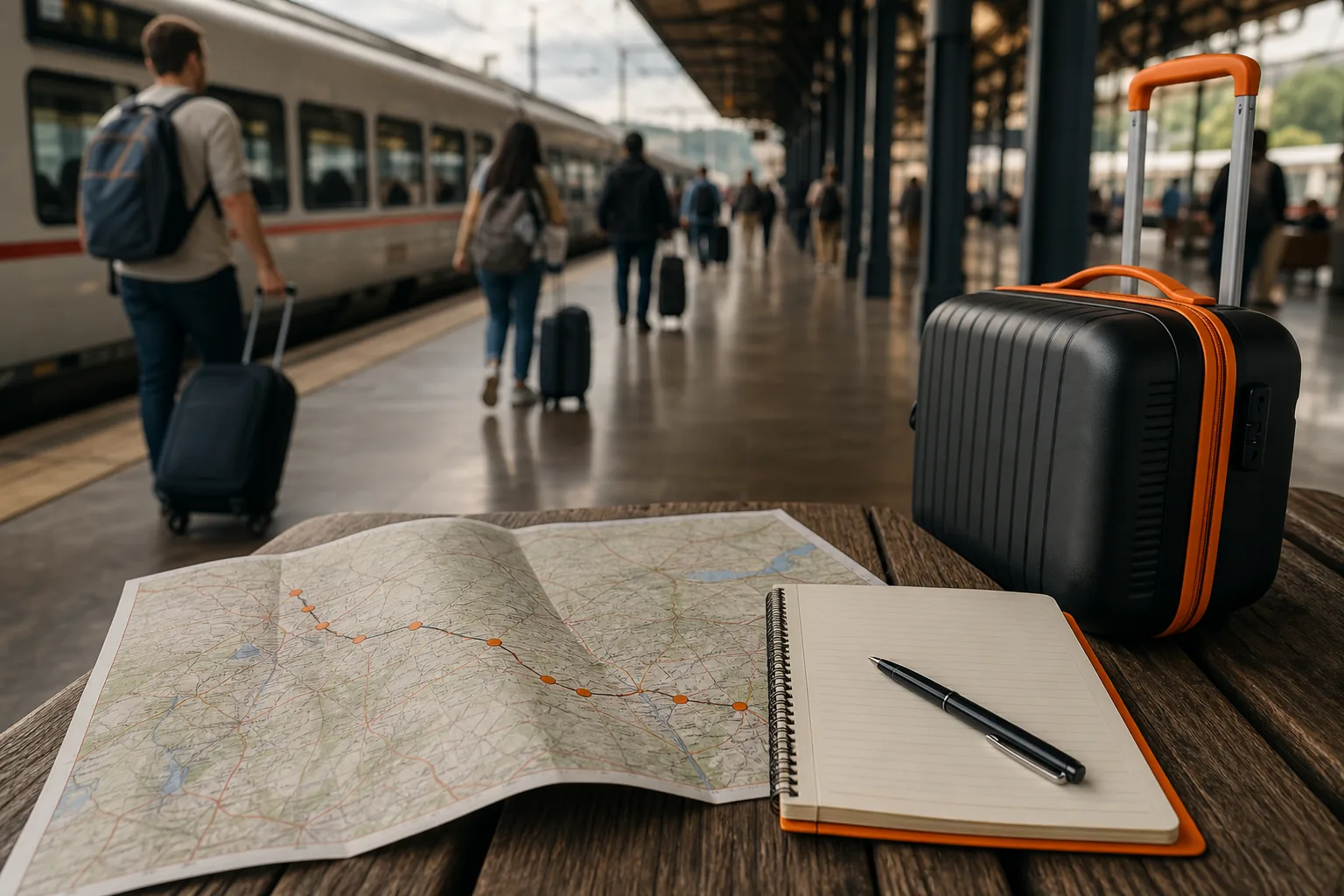
Don’t book every movement before you know the route works. Hold flexible reservations when the price difference is small. Lock in fixed tickets only after checking the arrival time, transfer margin, and cancellation rule.
A good booking is one that supports the day around it. If a ticket saves money but forces a six-hour wait, it may be a poor deal.
A budget is one of the most important travel planning tips because it shows which parts of the trip are actually affordable. Build it before you fall in love with a hotel.
Use line items, not one hopeful total:
Give each item a low estimate and a likely estimate. Then price the expensive days first. Remote hiking routes often cost more for food because supplies travel farther. A city break may have a low room rate but high museum tickets and local transport. A road trip can hide costs in fuel, tolls, parking, and a car deposit.
Of the 21 planning tips, only three included a cost estimate. The listed figures averaged $36.67, with a median of $20. That gap matters. Advice can sound cheap while leaving the reader to price the parts that shape the final bill.
Write down the currency beside every estimate. Convert it once, then add a small allowance for exchange changes. Don’t treat a fare alert as a budget. It tracks one price, while your trip has many moving costs.
We also price the cost of a bad day. What happens if a train is missed, a bag is delayed, a road closes, or rain cancels the main activity? You may need one extra night, a new ticket, or a last-minute meal. A buffer turns that event into an annoying cost instead of a crisis.
Travel insurance is worth considering when prepaid costs are high, the route has several connections, or medical care abroad could strain your finances. It may be easy to skip for a low-cost domestic weekend, but read the exclusions before deciding.
Before you book, compare the full trip total with your limit. If it misses by a little, remove a paid add-on or shorten the route. If it misses by a lot, change the destination or season. Don’t force the budget to fit a plan that clearly doesn’t fit.
Pro Tip: Add one blank line to your budget for a cost you can’t name yet. That small habit protects the parts of the trip you care about.
By now you should know the likely total, the fragile parts of the plan, and the cost of one mistake. That is enough information to book with a clear head.
Plan your time, budget, energy, and fixed dates first. Those limits shape every later choice. Next, choose a destination that fits the trip you want rather than forcing your wish list into a short break. These travel planning tips work because they prevent a cheap flight or appealing hotel from setting the whole plan.
Plan fixed or expensive parts earlier, especially international flights, popular stays, permits, and major events. Keep local meals and open time flexible. There is no single booking date for every route, so compare your dates, watch fares, and check cancellation terms before paying.
Give each day one main anchor, then group nearby activities around it. Treat every transfer as part of the itinerary. A three-hour drive can fill a day once stops and check-in are added. Leave open time after arrival and before departure so one delay doesn’t ruin the whole plan.
List transport, lodging, food, local travel, tickets, insurance, and an emergency buffer. Price the costly days first, then check the total against your limit. These travel planning tips also suggest using low and likely estimates, because headline fares rarely include every bag, transfer, toll, or meal.
Free-entry days can cut the cost of a park visit, but they may bring larger crowds and longer waits. Use one when the saving matters and you can arrive early. Skip it when quiet trails, easy parking, or flexible timing matter more than the entry fee.
Find the best travel apps for flights, bookings, itineraries, transit, and travel days, with honest trade-offs and clear recommendations.
Hostel vs hotel for solo female travelers: real price figures, safety comparison, and Maren's honest recommendation including the private hostel room option.
Learn how to plan a trip to Japan with an honest route, budget, rail pass, booking order, itinerary, and preparation checklist for 2026.