Travel Apps: What to Use for Every Trip
Find the best travel apps for flights, bookings, itineraries, transit, and travel days, with honest trade-offs and clear recommendations.
Verdict: Rwanda and Namibia are the two I would send a nervous first-timer to, but read every note here as an official advisory plus my honest read, dated August 2026, never a guarantee.
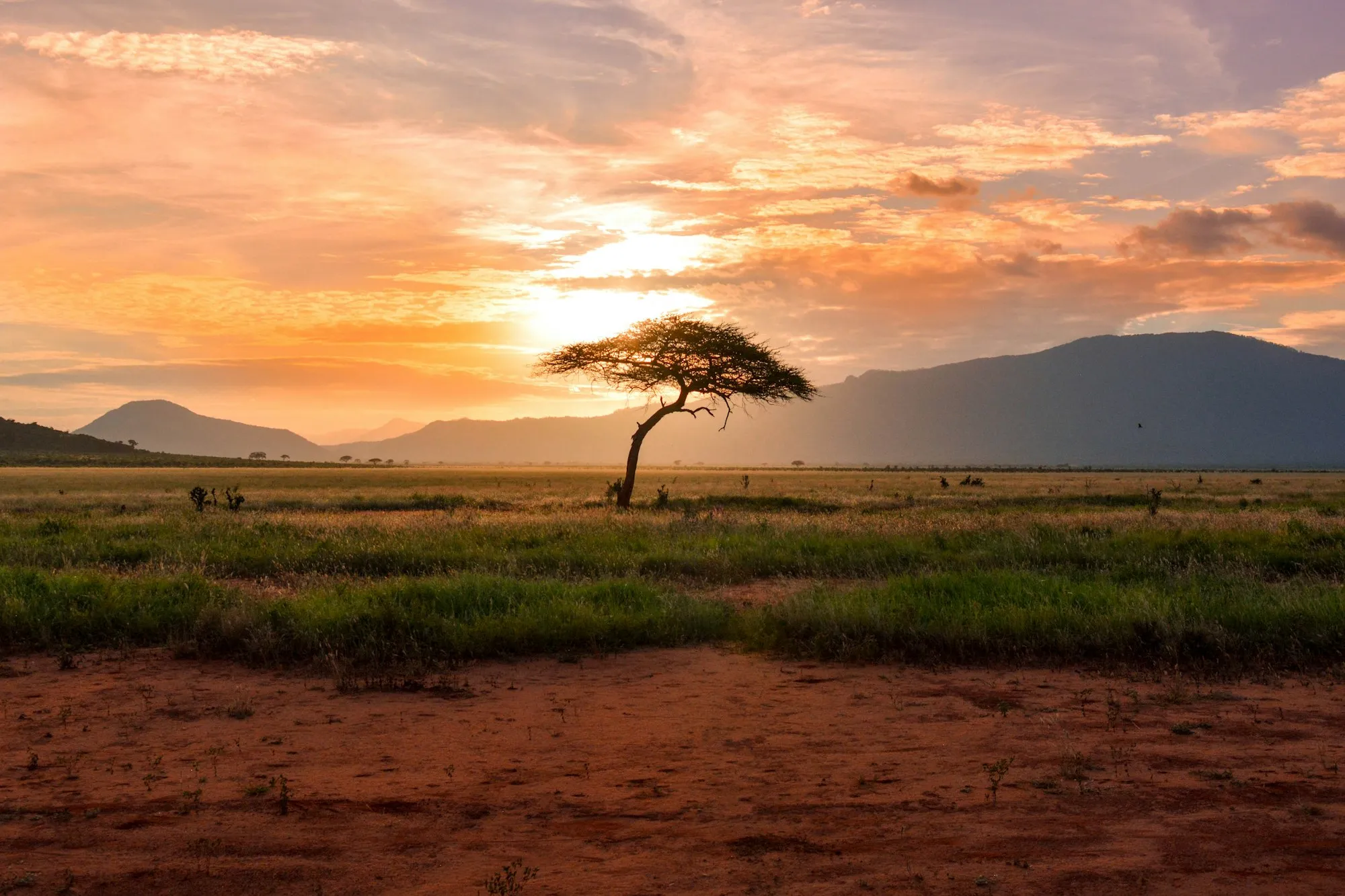
The first time I told a friend I wanted to travel Africa alone, she said “which part,” and I realized I did not have a real answer, only a picture in my head. That is the problem with the way most “safest countries in Africa” lists get written. They rank a continent of 54 countries as if it were one place, they lean on a decade-old reputation, and they almost never tell you which government actually warns against parts of the country they just called safe. So I did the boring thing. I read the current advisories, country by country, and I lined them up against what women who have actually gone there report.
Let me be honest with you before I rank a single country, the same way I am in my solo female travel safety tips. “Safe” is personal, situational, and it changes. A government advisory level is a starting point, not a guarantee, and a country can be genuinely calm on the safari circuit and genuinely risky in one city after dark. So read everything below as an official advisory plus my honest read, as of August 2026, and then check the live advisory yourself before you book, because conditions move and a blog does not update the way a government page does.
I am anchoring the hard facts to two official sources, because I will not guess about your safety. The UK’s Foreign, Commonwealth and Development Office (gov.uk/foreign-travel-advice) publishes a detailed, dated safety page for every country, and it is what I quote most below because I could verify each one directly. The US State Department (travel.state.gov) rates countries Level 1 to 4, and as of this writing every country on this list sits at Level 2, Exercise Increased Caution, per reporting compiling the State Department advisories. Treat that Level 2 as a general note, not the fine print, and read the FCDO page for the detail that actually helps you, which is usually about one region or one city rather than the whole country.
Then I weight it with what women report on the ground, because a crime statistic and a harassment experience are not the same thing, and the second one is often what decides whether a place feels good to a woman traveling alone.
Rwanda is the one I recommend first, and the reputation is earned. The FCDO has no advisory against travel to the main tourist areas, warning only against all but essential travel to the Rusizi District within 10km of the DRC border, including the Lake Kivu islands and Kamembe Airport (FCDO Rwanda, updated June 2026). Kigali is famously clean and orderly, crime is low, and the thing that comes up again and again from solo women is how little harassment they experience, one traveler describing keeping knees and shoulders covered and having no problems at all. The practical notes worth carrying: avoid driving at night, where roads can be poorly lit and unmarked, and buy bus tickets directly rather than through touts. If you have never done Africa alone and you want the gentlest real introduction, this is my answer.
Namibia is the other one, and it suits a slightly more independent traveler. The FCDO has no against-travel advisory (updated December 2025), and the country is built for the self-drive safari, empty roads, dramatic desert, lodges used to solo guests. The honest caveat is that the risk concentrates in the capital: the FCDO notes that muggers often target tourists in Windhoek, that attacks can be violent and happen at any time of day, and that vehicle theft at service stations is common, with some card skimming reported at hotels and lodges (FCDO Namibia). Out on the safari routes to Sossusvlei or the Skeleton Coast, the picture is very different and much calmer. Come prepared to drive a 4x4 on gravel and sand, because the buses do not reach the highlights, and be switched-on in Windhoek specifically.
Mauritius and Seychelles are the island options, and they are about as low-drama as Africa gets for a solo woman, which is exactly why they suit a first big trip or a decompression stop. On Mauritius the FCDO describes crime as mostly non-violent, burglaries and bag theft around Port Louis, Grand Baie and Flic en Flac, but it does note that sexual assaults on tourists have been reported and advises against walking alone at night on beaches or in poorly lit areas, especially the back streets of Port Louis (FCDO Mauritius). Seychelles is similar, crime described as generally non-violent, opportunistic theft from parked cars, guesthouses, beaches and trails, with the usual caution around Beau Vallon, the back streets of Victoria, and isolated areas after dark (FCDO Seychelles). Neither is risk-free, no beach is, but the daytime, resort-anchored version of these islands is genuinely easy.
Botswana belongs here too if your trip is a safari. The FCDO has no against-travel advisory (updated June 2026) and says attacks on tourists are rare, but it is candid that violent crime is increasing in Gaborone, Francistown and Maun, that sexual-assault rates are elevated, and that women should take care walking and avoid walking alone at night (FCDO Botswana). As with Namibia, the wilderness is where the calm is and the towns are where the caution goes.
Morocco lands on almost every “safest” list, and I understand why, the crime statistics are not the story here. The harassment is. The FCDO states plainly that women may experience unwanted attention, especially when travelling alone, and advises loose clothing that covers arms, legs and chest; it also flags widespread petty crime in tourist areas, common credit-card fraud and scams, bogus guides working the medinas, and a general terrorism warning (FCDO Morocco). Beyond the advisory, women’s lived accounts and press reporting describe routine street harassment, persistent leering, and specific targeting of Western solo travelers. Morocco is one of the most rewarding places I could point you toward, and it is also genuinely tiring to move through as a woman alone. Go, but go with your guard up and your expectations honest, not because I am warning you off it, but because I would rather you were prepared than surprised.
Two countries appear on “safest for women” lists constantly, and I am pulling them out of the safe headline on purpose, because their current official advisories say something the listicles do not.
Ghana is often described as one of West Africa’s friendliest and safest destinations, and the warmth is real, but the FCDO currently advises against all but essential travel to parts of the country and reports crime rising sharply since 2021, including robbery, burglary and serious assault, foreign nationals attacked and robbed at gunpoint, and criminal kidnapping that has targeted foreign nationals in Accra, Takoradi and Kumasi (FCDO Ghana). That is not a reason to strike Ghana off your someday list, but it is a reason I will not put it in a “safest” ranking without saying all of that out loud first.
Tanzania and Zanzibar are the same story. Beloved, heavily listed, and currently carrying an FCDO advisory against all but essential travel to parts of the country following post-election unrest, along with reports of armed robbery and express kidnapping in Dar es Salaam, robbery in Stone Town and on Zanzibar beaches, and a direct note that women travelling alone face verbal harassment (FCDO Tanzania). Two specific things matter for a woman here: Zanzibar enforces a dress code with fines reported at 700 dollars or more for clothing deemed inappropriate, and same-sex activity is illegal, which is a real legal risk to weigh. The safari and the beaches can be extraordinary. The country is not, right now, an unqualified “safe” recommendation, and I would be doing you a disservice to pretend otherwise.
If you want the shortest possible answer, it is Rwanda first, then Namibia, with Mauritius, Seychelles and Botswana as the relaxed picks and Morocco as the rewarding-but-tiring one you go into with eyes open. But the more important thing I can give you is not a ranking, it is a habit: check the live FCDO or State Department page for your exact destination before you book, read the paragraphs under the headline level because that is where the useful detail lives, and treat every note here as dated to August 2026 and advisory-checked rather than promised. “Safest” is not a fixed list. It is a moving picture, and the woman who reads the current advisory and packs accordingly is safer in a “riskier” country than the one who books on a decade-old reputation. You do not need me to promise you nothing will go wrong. You need a current advisory, a plan, and now you have the start of both.
Find the best travel apps for flights, bookings, itineraries, transit, and travel days, with honest trade-offs and clear recommendations.
Use these travel planning tips to set a realistic budget, choose the right pace, book smarter, and build an itinerary you will enjoy.
Hostel vs hotel for solo female travelers: real price figures, safety comparison, and Maren's honest recommendation including the private hostel room option.