The safest South American countries for solo female travel are, by almost every measure I could find, Uruguay, Chile and Argentina. The part that surprised me is how much the honest answer changes depending on which measure you pick.
A country can be one of the most peaceful in the region and still be a place where fewer than half of women say they feel safe walking alone at night. Those are different questions, and most lists blur them into one confident ranking.
I have not walked every street in this article, and I will not pretend I have. What I did is the unglamorous version of research. I read the current government advisories country by country, the 2026 Global Peace Index, and the Georgetown women’s index that asks women directly how safe they feel.
Everything below is dated to October 2026, and it is my honest read of that evidence, not a promise. If you are still deciding whether to go at all, my solo female travel safety tips cover the habits that apply anywhere. This piece is about which country to point yourself at first.
How I am judging “safe” here
I used four sources, and I want you to know what each one can and cannot tell you.
The Global Peace Index 2026, from the Institute for Economics and Peace, ranks 163 countries on conflict, crime and militarisation. It measures how peaceful a country is, not how a woman on her own will feel in a particular neighbourhood at 10pm.
The US State Department rates every country from Level 1 (exercise normal precautions) to Level 4 (do not travel). The UK’s FCDO foreign travel advice is longer and more granular, and it is the one I find most useful for specifics like which neighbourhood or which airport taxi to watch. I pulled both on 12 October 2026.
The fourth is the one most lists skip. The Georgetown Women, Peace and Security Index 2025/26 includes a Gallup measure of the share of women who say they feel safe walking alone at night where they live. The global figure is 66 percent, so keep that number in your head.
The safest South American countries for solo female travel, side by side
This table is the whole article in miniature. The first column ranks peacefulness, the second is the US government’s caution level, and the third is the share of local women who feel safe walking alone at night.
| Country | Global Peace Index 2026 rank (of 163) | State Department level | Women who feel safe walking alone at night |
|---|
| Uruguay | 43 | Level 2 (28 Jul 2026) | 40% |
| Chile | 52 | Level 2 (19 Aug 2026) | 34% |
| Paraguay | 64 | Level 1 (19 Aug 2026) | 44% |
| Argentina | 72 | Level 1 (10 Jul 2026) | 41% |
| Bolivia | 92 | Level 2 (18 Aug 2026) | 43% |
| Peru | 107 | Level 2 (4 Sep 2026) | 38% |
| Brazil | 124 | Level 2 (31 Aug 2026) | 40% |
| Ecuador | 135 | Level 2 (18 Aug 2026) | 31% |
| Colombia | 141 | Level 3 (31 Mar 2026) | 42% |
Look at the last column before you look at anything else. Every country in South America sits well under the global 66 percent, which is the real story of this continent for a woman travelling alone.
The first-timer picks
These are the three I would be comfortable pointing a nervous first-timer toward, in the order I would choose them.
1. Uruguay
Uruguay is the most peaceful country in South America on the 2026 Global Peace Index. On the Georgetown women’s index it sits 35th in the world, which the authors note is the first time any country in Latin America has made the top fifth.
The caveat is a real one. The State Department rates Uruguay Level 2 because of crime, and says violent crime including armed robbery and carjacking happens across the country, often by criminals travelling in pairs on motorcycles.
The FCDO is specific about where. It describes bag-snatching and mugging in Montevideo, and advises you to keep away from isolated or poorly lit areas at night and not to walk downtown or in the port area alone, especially on weekends (updated December 2025).
Only 40 percent of Uruguayan women report feeling safe walking alone at night. So Uruguay is a stable, low-conflict country where street crime is the thing to plan around, and where I would do my walking by day and take a licensed taxi or ride-hail home after dark.
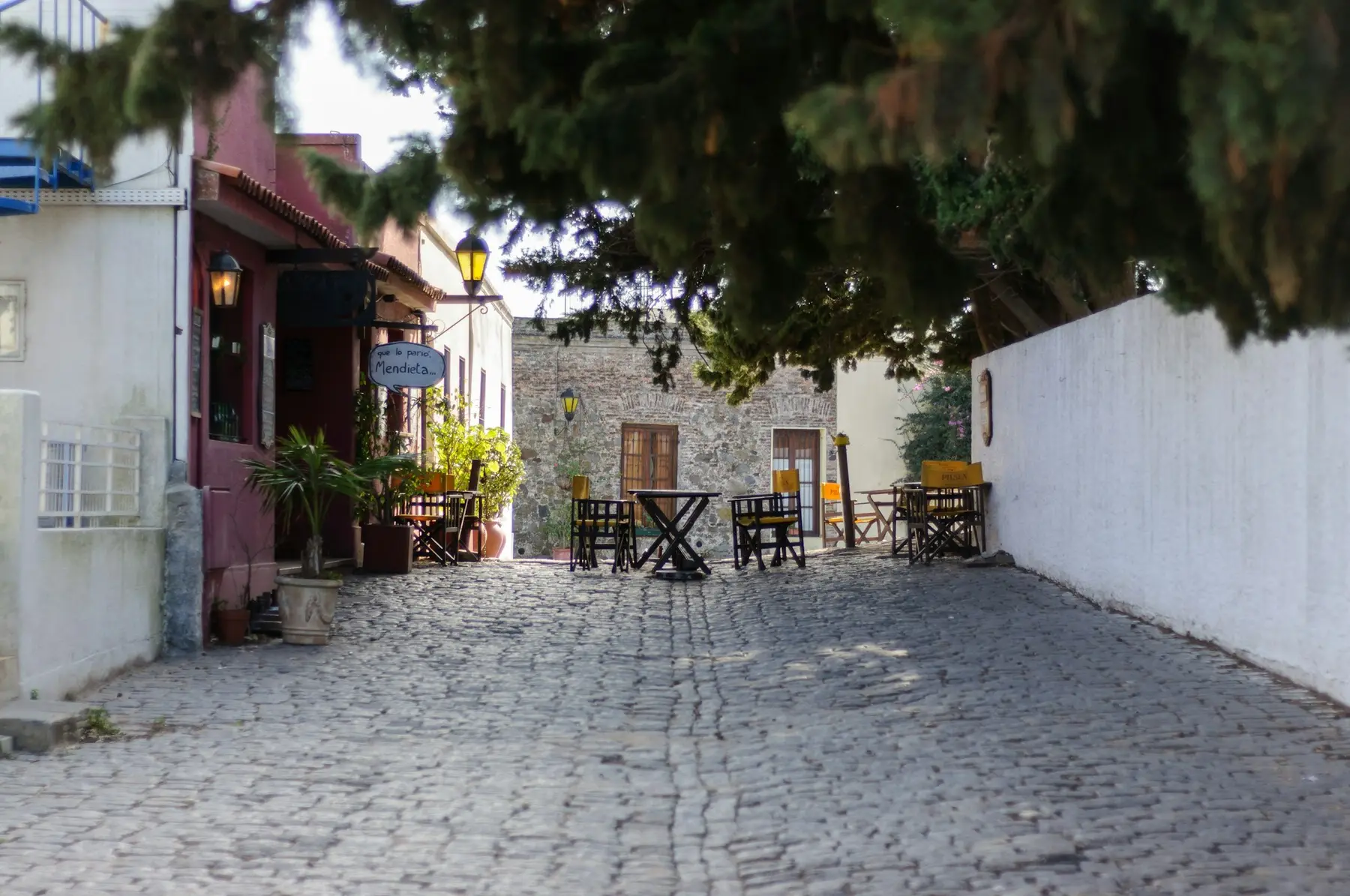
It is also small and easy to move around. Colonia del Sacramento, the old riverside town the wagon above belongs to, is an easy trip from Montevideo and compact enough to see on foot in daylight.
2. Chile
Chile ranks second in South America on the Global Peace Index and posted the region’s largest improvement this year. The same report adds that its homicide rate has tripled since 2017, so “stable” is not the same as “untroubled.”
The State Department lists Chile at Level 2 for crime, unrest and health, noting that petty crime is common and that violent crime including assault and carjacking does occur.
The FCDO gives the detail that helps a solo woman most (updated 9 October 2026):
- Muggings happen frequently in Santiago and Valparaiso, sometimes in daylight and in plain sight.
- Unlicensed airport taxis at Santiago have overcharged visitors heavily, and it recommends paying for an official taxi inside the terminal before you exit.
- Drink spiking has been reported in the Suecia and Bellavista areas of Santiago.
Georgetown’s figure for Chile is the lowest of my three picks, at 34 percent. I do not read that as “do not go.” I read it as “build your evenings around company and a pre-booked ride, and do your wandering in daylight.”
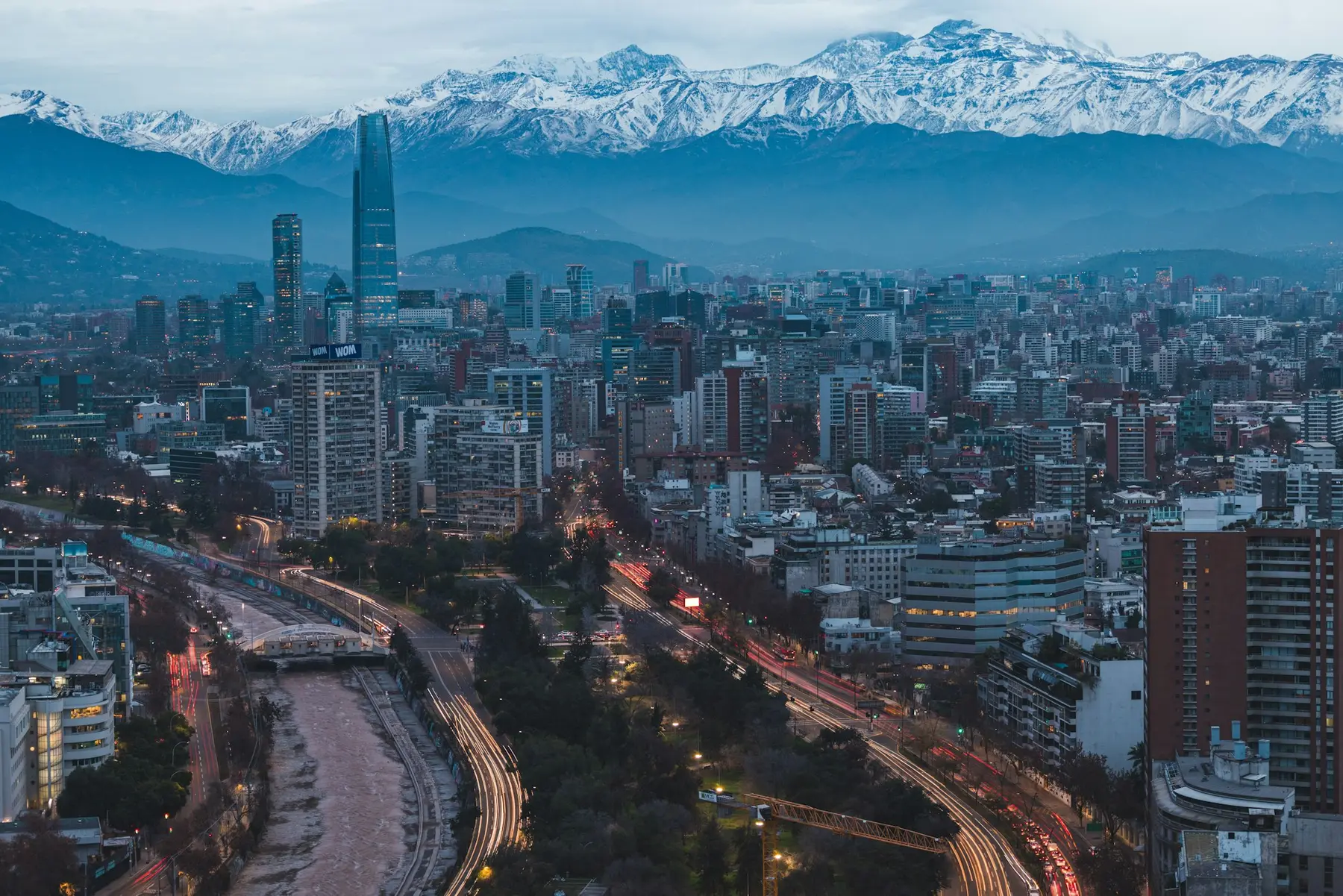
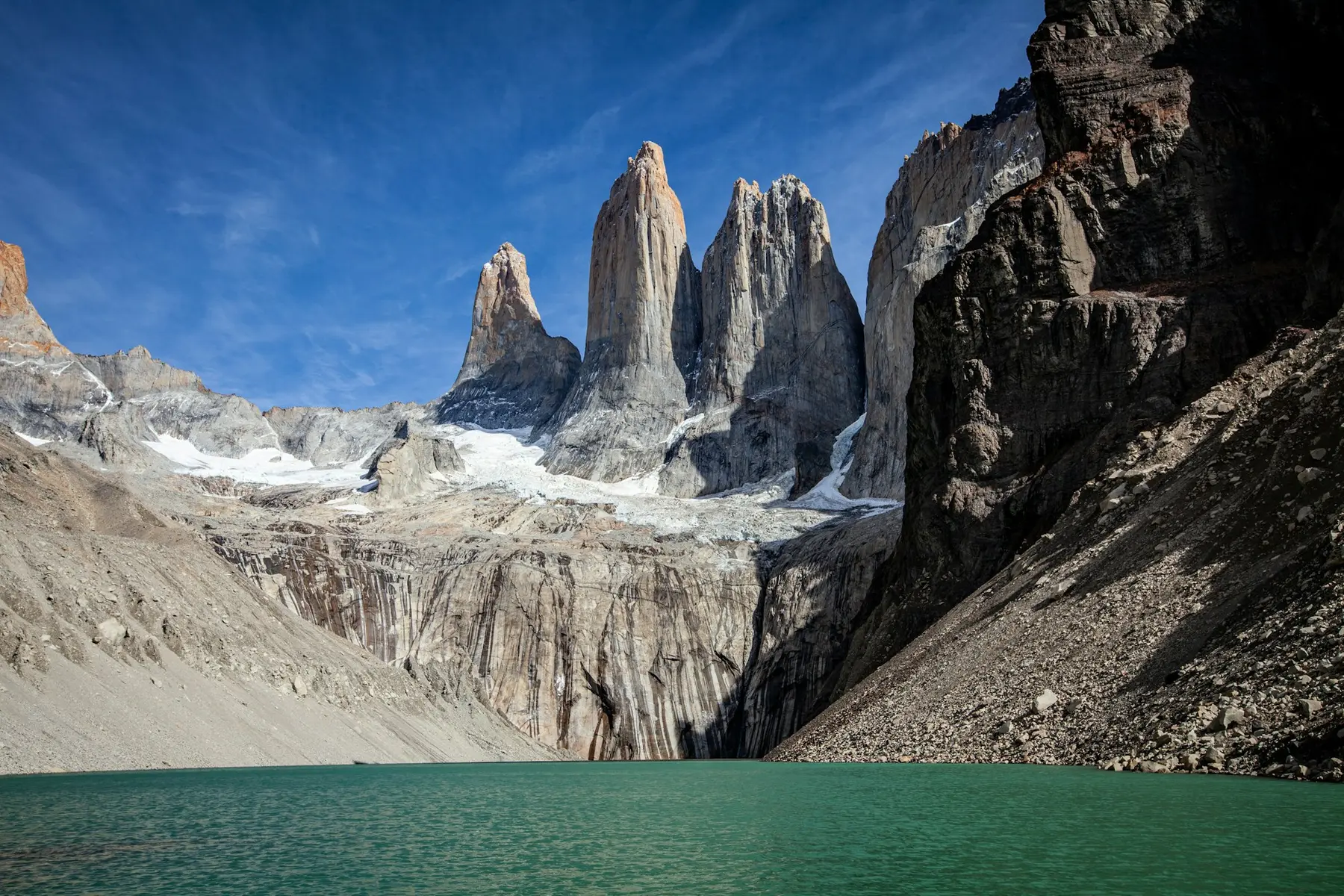
What Chile gives you in return is a country that is long, connected and straightforward to cross by bus or short flight. The Torres del Paine walking circuit in the far south is one of the best-known routes on the continent.
3. Argentina
Argentina is the one where the official picture and the index picture pull in different directions. The State Department rates it Level 1, describing it as generally safe for travelers, with petty crime in tourist areas and around Buenos Aires and criminal groups active in Rosario.
The Global Peace Index is less comfortable. Argentina recorded the largest deterioration in South America in 2026, driven in part by violent demonstrations over the government’s austerity programme.
The FCDO says demonstrations are common near Congress and the Casa Rosada and can occasionally turn violent, and it advises avoiding all protests. Its practical notes for a woman alone are worth reading closely (updated 7 May 2026):
- Thieves, often working in teams and often women, use distraction techniques such as the “mustard scam,” where someone sprays you and an accomplice helps you clean up while lifting your bag.
- It names Palermo, San Telmo and La Boca among the Buenos Aires areas to be cautious in.
- Drinks and food can be spiked, so never leave a drink unattended.
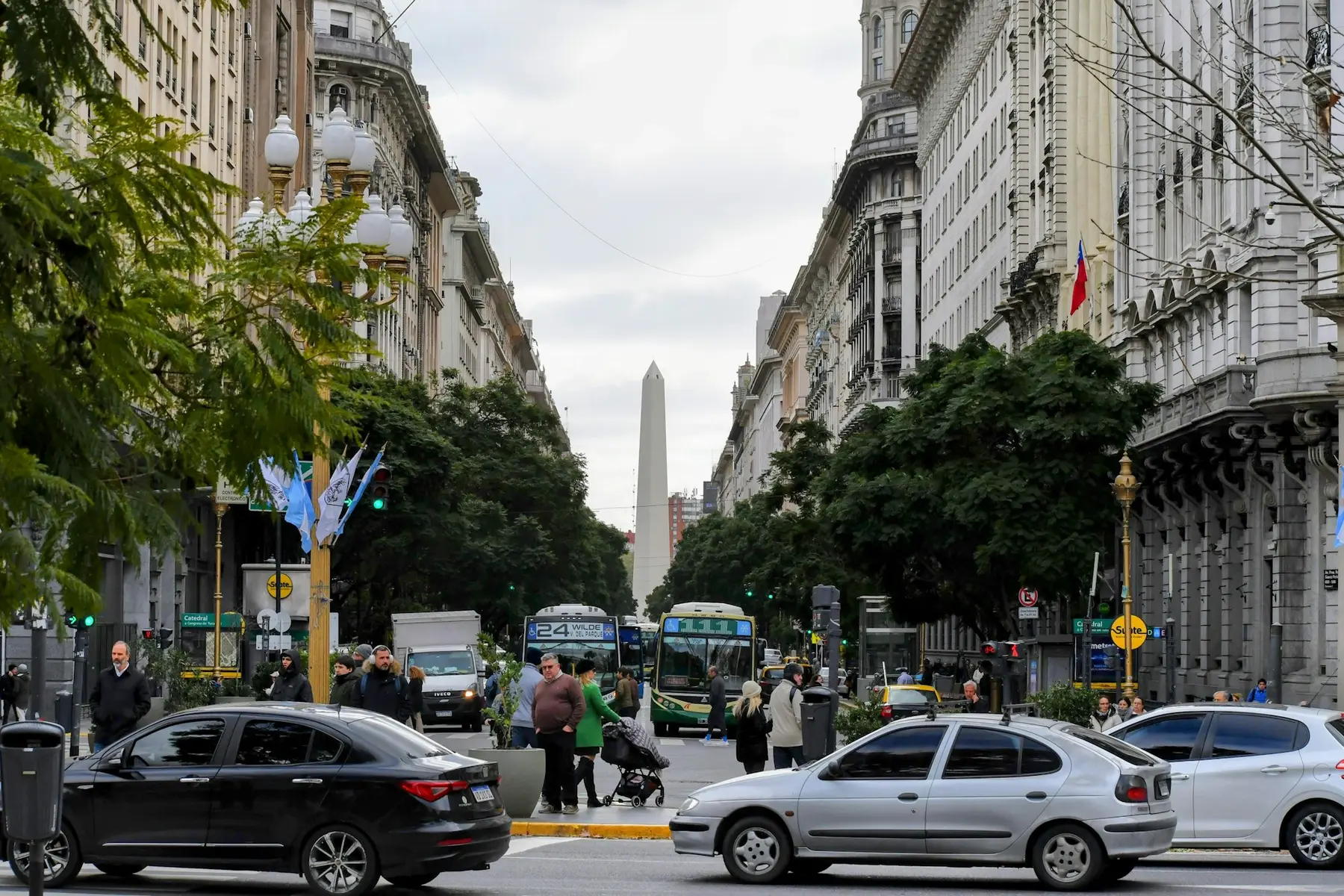
I would still put Argentina on a first-timer list, because Buenos Aires is a large, easy-to-navigate city with plenty of solo travellers passing through. But I would put it third, and I would ask you to check the protest calendar before you book.
The quieter option: Paraguay
Paraguay is the one almost no list gives a real paragraph. The State Department rates it Level 1 and calls it generally safe for travelers, while flagging increased crime in several border departments.
It is also a country with thin tourist infrastructure. The FCDO notes that bag-snatching on public transport is a problem, that many foreigners use taxis rather than buses, and that you should keep away from poorly lit areas at night (updated January 2026).
I would call Paraguay a good second or third country for a woman who already has a few solo trips behind her and speaks some Spanish. It is not a gentle introduction.
Go with a plan: Peru, Bolivia and Brazil
These three are on a lot of “best for solo women” lists because of what they offer. I would not rule any of them out, but I would treat them as trips that need a plan rather than trips that happen to you.
Peru is Level 2 with the State Department for crime, unrest, kidnapping and terrorism. The FCDO is direct about what matters to a woman alone. It says sexual assaults are infrequent but do happen, mostly in the Cusco and Arequipa areas, and that unscrupulous tour agents have targeted young women travelling alone around Cusco.
It also warns about “express kidnapping,” where a victim is forced to withdraw cash from ATMs, often involving criminals posing as taxi drivers (updated 9 October 2026). The practical move is to have your accommodation arrange transfers and to use official airport taxi desks.
Bolivia is Level 2 as well. The FCDO notes an economic crisis that has pushed up crime, more robberies from taxis in La Paz, Santa Cruz and Rurrenabaque, and rape and sexual assault incidents at clubs and hostels (updated 22 September 2026).
Brazil is Level 2, and the FCDO flags protests around a national election, with a first round on 4 October and a second round scheduled for 25 October (updated 29 September 2026). It can be a wonderful trip. I would not make it your first.
The ones I would not call “safest”
Two countries show up on plenty of “safe for women” lists, and I am pulling them out on purpose.
Colombia is Level 3, reconsider travel, as of 31 March 2026. The FCDO advises against all but essential travel to several named regions, including the Venezuelan border and parts of the Pacific coast (updated 6 October 2026), and it is the least peaceful country in South America on the Global Peace Index.
Ecuador is Level 2 with the State Department, but the FCDO advises against all but essential travel to seven Coastal Region provinces. The government has also declared a 60-day state of emergency from 15 September in several provinces, with curfew hours in some (updated 2 October 2026).
Both countries have places many women love, and plenty of people travel there without trouble. I am not telling you never to go. I am telling you that a “safest countries” list is the wrong place for them, and that you should read the regional detail first if you do.
What the numbers say about the whole continent
South America recorded the second-largest deterioration in peacefulness of any region in the 2026 Global Peace Index. And on the Georgetown measure, the share of women who feel safe walking alone at night sits in the 30s and low 40s in every country in the table above.
For comparison, Singapore is at 97 percent. That is the finding I would carry with me.
A woman travelling alone in South America is not usually in more danger from conflict. She is in a region where street crime and unease after dark are part of daily life for local women too, and the sensible response is to organise your days around that rather than around fear.
The habits that matter most across all of them
- Do your wandering by day. Nearly every FCDO page above puts its warnings about muggings and isolated areas at night, so make long walks, markets and museums a daytime plan.
- Book transport before you land. Airport taxi scams in Santiago and fake taxi drivers in Peru are named in the FCDO advice, so arrange a pickup through your accommodation or use the official desk.
- Carry only what you need. The Chile and Argentina advice describes distraction theft, and the standard guidance is to hand over valuables without resistance if you are robbed.
- Watch your drink, every time. Drink spiking is named in the FCDO pages for Chile, Argentina and Peru.
- Check the live advisory the week you fly. Ecuador’s state of emergency and Brazil’s election dates are the kind of thing that moves quickly.
If you want a read on cover before you go, I wrote up what to look for in travel insurance for solo female travelers. And if a guided start sounds easier than going fully alone, there is a list of women-only tours too.
The honest bottom line
If I had to pick one country for a nervous first trip, I would choose Uruguay, for the stability and the scale, and I would go in with my evenings planned. Chile would be my second choice because of how easy it is to cross, and Argentina my third, with the protest calendar checked first. Paraguay is for the woman who has done this before.
I want to be plain about the limit of all of this. The ranking above is built from sources that were current on 12 October 2026, and conditions in this part of the world move fast. A country that is calm one month can have a state of emergency the next.
Use this as a starting point and read the live advisory for your exact dates. Then do the thing that has always helped me most when I was scared, which is to plan the first night in detail so the fear has less room to fill.